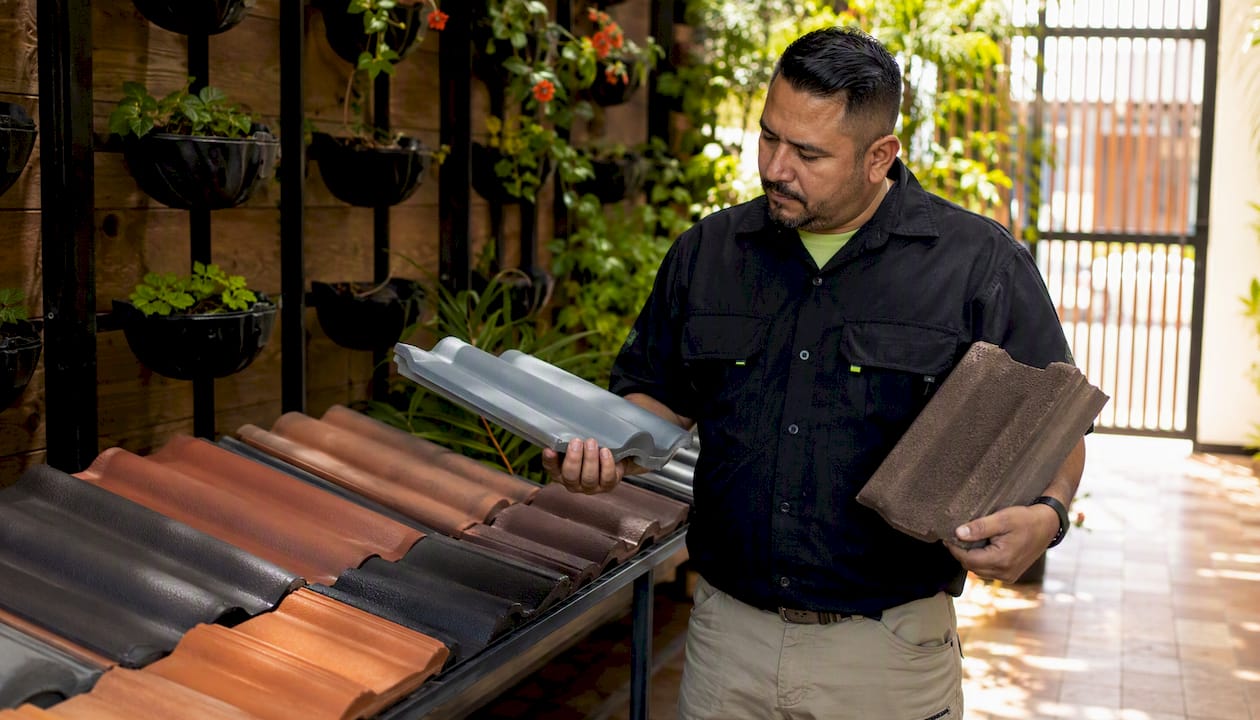
Tile Roof Designs: Visual Ideas and How to Choose
Tile Roof Designs combine profiles, colors, and materials to complement a home's architectural style and curb appeal.
For most homeowners, the best tile roof design comes down to three clear pairings: clay or slate for long-life premium curb appeal, concrete for cost-versatile durability, and composite/synthetic for lightweight retrofit projects. Each choice carries a different structural demand, price point, and visual personality — and getting that match right before you order a single tile is what separates a great roof from an expensive regret.
Here’s a quick goal-to-material map to get you started:
- Curb appeal and timeless look: Clay tile or natural slate
- Storm resistance and value: Concrete tile (40–50 year rated lifespan)
- ⚖️ Lightweight retrofit (existing framing): Composite/synthetic tile (often under 250 lbs per square)
- Low maintenance, modern aesthetic: Composite or metal tile profiles
The Tile Roof Institute (TRI) Design Manual classifies tile profiles by rise-to-width ratio, which directly affects water shedding, underlayment selection, and installation technique. Knowing your profile category before you shop saves real money.
Pro Tip: Before choosing any clay or concrete tile, have a licensed contractor assess your roof framing. Standard shingle-era framing often lacks the capacity for tiles that weigh 600–1,100 lbs per square. Hytzroofing evaluates framing on every tile estimate — it’s one of the first things a GAF Master Elite contractor checks.
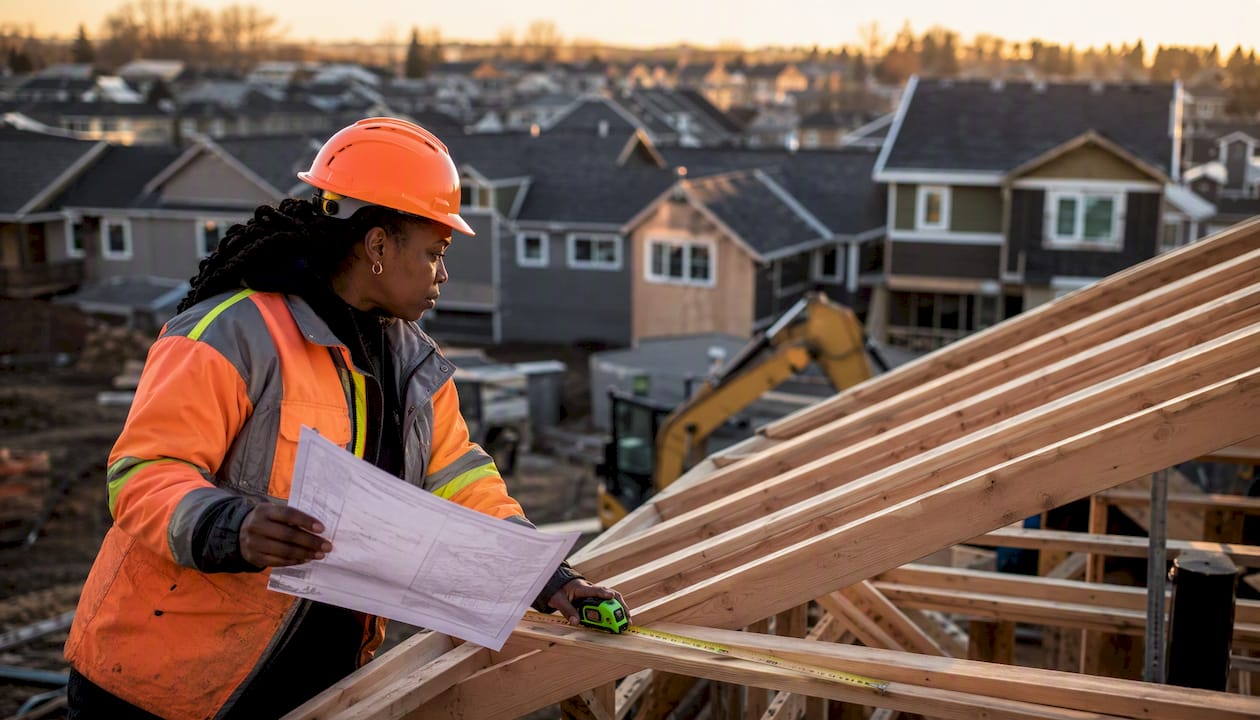
Table of Contents
- What are the most popular tile roof styles for U.S. homes?
- How do tile materials compare on weight, cost, and lifespan?
- How do you pick the right tile roof for your home?
- What does a tile roof cost, and how long does installation take?
- What maintenance does a tile roof need, and what goes wrong?
- What tile colors and textures are trending in 2026?
- Key Takeaways
- What most homeowners miss about tile roofing
- Hytzroofing handles tile roofing from inspection to final install
- Useful sources for tile roof research
- FAQ
What are the most popular tile roof styles for U.S. homes?
Tile roofing covers a wide range of profiles, and the right style depends as much on your house’s architecture as your personal taste. Here’s a visual tour of the profiles you’ll see most often.
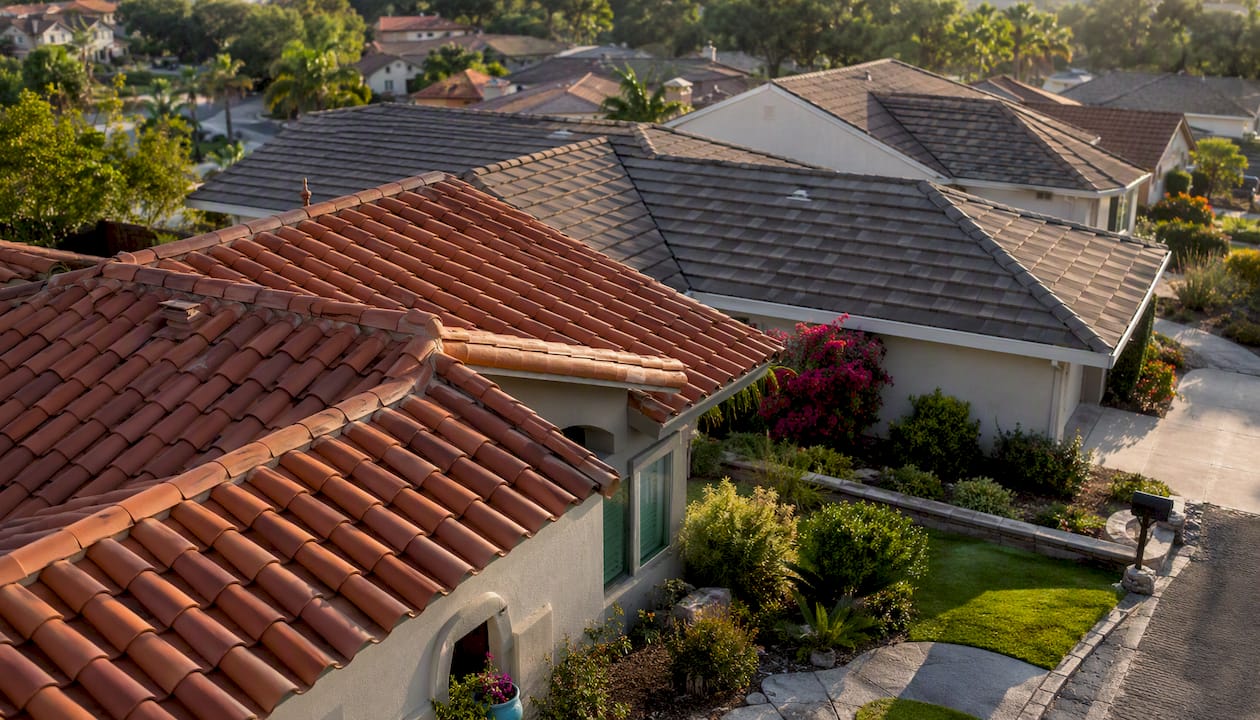
Spanish barrel (Mission)
The classic rounded barrel tile stacked in alternating ridges and channels. It reads warm, textured, and unmistakably Mediterranean. Works best on stucco exteriors, red or tan siding, and homes with wide overhangs.
- Best for: Mediterranean Revival, Spanish Colonial, and Florida ranch-style homes
- Climate fit: Excellent in hot, dry, and coastal climates; the channel design sheds water fast
S-curve (Roman/Pan-and-Cover)
A single tile that combines the barrel and channel in one piece. Slightly lower profile than Mission, with a smoother, more refined look. Popular across the Southwest and South Florida.
- Best for: Tuscan, Italian, and contemporary Mediterranean architecture
- Pairs well with warm earth-tone stucco and wrought-iron details
Flat/French tile
Low-profile tiles with minimal rise, giving a clean, formal appearance. They suit Colonial, Georgian, and European Cottage styles. Eagle Roofing Products offers flat profiles in dozens of colors and textures, and their design gallery is a practical starting point for color matching.
- Best for: Formal symmetrical facades, Colonial, and French Country homes
- Climate fit: Good in moderate climates; requires careful underlayment detailing on lower slopes
Interlocking tile
Designed to lock edge-to-edge, reducing the need for mortar and speeding installation. The surface can be flat, ribbed, or lightly textured. Common on Ranch and contemporary homes where a clean roofline matters.
- Best for: Ranch, Modern Farmhouse, and transitional architecture
- Lower installation labor cost compared to traditional mortar-set profiles
Shake-look tile
Concrete or composite tiles molded to replicate the texture of cedar shake. Delivers the rustic warmth of wood without the fire risk or rot maintenance. Brava Roof Tile’s shake-look composite line is a widely used example, and their photo galleries show how convincingly the texture reads from street level.
- Best for: Craftsman, Cottage, and Pacific Northwest-style homes
- Composite versions weigh far less than concrete shake-look, making them retrofit-friendly
Metal tile profile
Steel or aluminum panels stamped to mimic clay or slate. Lightweight, impact-resistant, and available in a broad color range. A strong option for homeowners who want the tile aesthetic with hurricane-grade wind resistance.
- Best for: Contemporary, Modern, and coastal homes with wind-load requirements
- Often qualifies for insurance discounts in Florida wind zones
How do tile materials compare on weight, cost, and lifespan?
The material you choose sets the structural requirements, budget, and maintenance schedule for the next 40–100 years. Here’s how the main options stack up.
| Material | Weight / structural needs | Typical lifespan | Installed cost (approx.) | Best for | Maintenance / breakage risk |
|---|---|---|---|---|---|
| Clay | 600–650 lbs/square; reinforced framing usually required | 75–100+ years | $15–$25/sq ft | Mediterranean, Spanish, premium builds | Low maintenance; brittle under foot traffic |
| Concrete | 800–1,100 lbs/square; heaviest option | 40–50 years | $10/sq ft or more | Value-oriented builds; mimics clay or slate | Moderate; can absorb algae/moss in humid climates |
| Natural slate | Heavy; structural engineer assessment recommended | 75–150 years | $20–$40/sq ft (varies widely) | Colonial, historic, premium formal | Very low; individual slates can crack |
| Composite/synthetic | Often under 250 lbs/square; retrofit-friendly | 30–50 years (varies by product) | $8–$15/sq ft | Retrofit, Craftsman, lightweight applications | Low; impact-resistant; fewer breakage incidents |
| Metal tile | Very light; minimal structural impact | 40–50 year rated lifespan | $10–$20/sq ft (varies) | Coastal, contemporary, wind-zone homes | Very low; no breakage risk |
A few important notes:
- Fiber-cement tiles were common in older U.S. homes but are no longer manufactured domestically due to federal asbestos restrictions. If you’re inspecting a home built before the 1990s, watch for legacy fiber-cement tile and handle it accordingly.
- Tile itself is not waterproof. The underlayment does the waterproofing work. At minimum, 30-lb felt or a synthetic equivalent is required; lower slopes and ice/water zones need heavier membrane options.
- The TRI profile classification system (flat ≤ 0.5-inch rise, low-profile ≤ 1:5, high-profile > 1:5) determines which underlayment strategy and installation technique your installer should use.
- Ludowici’s Legacy Collection® clay tiles carry a 75-year material warranty on select lines, which gives you a sense of what premium clay can deliver.
How do you pick the right tile roof for your home?
Getting this decision right means asking the right questions before you sign anything. Here’s a numbered checklist to walk through with any contractor you’re evaluating.
- Can my current framing support tile? A professional structural assessment is mandatory for clay and concrete tile. Standard shingle-era framing often can’t handle 800–1,100 lbs per square. If reinforcement is needed, get that cost in writing before the tile quote.
- What is my roof’s pitch? Most clay and concrete tiles require at least a 4:12 pitch for reliable water shedding. Some low-profile systems can go to 2:12 with specific underlayment and detailing, but that requires an experienced installer.
- What underlayment is specified? Ask for the product name and weight. A contractor who can’t answer this question clearly is a red flag.
- Does the installer hold manufacturer certifications? GAF Master Elite status, Brava-approved installer credentials, or equivalent manufacturer certifications mean the contractor has been trained and vetted on the specific product being installed.
- What permits are required? In Florida, tile roof replacement almost always requires a permit. Confirm the contractor pulls it, not you.
- What does the warranty cover? Separate the material warranty (from the manufacturer) from the workmanship warranty (from the contractor). Both matter.
- What is the full scope of the bid? Ask for line items: tear-off, structural reinforcement, underlayment, tile, flashing, ridge caps, and cleanup. Reading estimate line items carefully prevents surprise costs.
** Red flags to watch for:**
- Sagging or soft deck boards (structural failure before you even start)
- A bid that skips structural assessment entirely
- No mention of underlayment type or weight
- Evidence of freeze-thaw cracking on existing tile in cold-climate homes
- A contractor who can’t show a current Florida license
Pro Tip: If your home is adding tile for the first time, or you’re combining tile with solar panels, a structural load assessment from a licensed engineer is worth every dollar. Combined loads from tile plus solar can exceed what standard framing handles safely.
What does a tile roof cost, and how long does installation take?
Installed cost summary by material (U.S. market, approximate ranges):
| Material | Installed cost per sq ft | Typical lifespan | Warranty expectation |
|---|---|---|---|
| Clay tile | $15–$25 | 75–100+ years | 50–75 year material (varies by brand) |
| Concrete tile | $10 or more | 40–50 years | 30–50 year material |
| Composite/synthetic | $8–$15 | 30–50 years | 30–50 year material |
| Natural slate | $20–$40+ | 75–150 years | Lifetime (material) |
| Metal tile | $10–$20 | 40–50 year rated lifespan | 30–50 year material |
Cost ranges reflect regional U.S. market variation. Florida coastal markets often run toward the higher end due to wind-code requirements and labor demand.
Typical project timeline:
- Day 1–2: — Structural reinforcement if required, new underlayment installation
Most residential tile replacements in Florida take 3–7 days of active installation once permits are in hand. Larger or more complex roofs can run longer.
Financing is available for tile projects. Hytzroofing works with third-party lending partners, and you can review roofing loan options before your estimate appointment to know what to expect.
What maintenance does a tile roof need, and what goes wrong?
Tile roofs are low-maintenance compared to asphalt shingles, but “low” doesn’t mean “none.” Here’s what to stay on top of:
** Annual maintenance checklist:**
- Clear gutters and downspouts of debris (tile roofs shed granules differently than shingles, but debris still accumulates)
- Inspect for cracked or broken tiles after any storm, hail event, or heavy foot traffic
- Check flashing at chimneys, skylights, and valleys for separation or corrosion
- Inspect the underlayment condition at any exposed edges or penetrations
- Look for moss or algae growth on north-facing slopes in humid climates
Common failure modes:
- Broken tiles from impact: Hail, falling branches, or foot traffic are the main culprits. Individual tile replacement is straightforward if the underlayment is intact.
- Fastener/nail corrosion: In coastal Florida, salt air accelerates corrosion. Stainless steel fasteners are the right spec; galvanized can fail within 15–20 years.
- Underlayment failure: The tile may look fine while the underlayment beneath is failing. This is why preventive roof inspections matter, especially on roofs over 20 years old.
- Valley and flashing problems: Water concentrates in valleys. Improper flashing or deteriorated sealant here causes leaks that can look like tile failure but aren’t.
The classic disadvantages of tile roofs, weight and brittleness, are real but manageable. Modern composite options from manufacturers like Brava Roof Tile significantly reduce both, delivering the tile aesthetic with far less structural demand and fewer breakage incidents during installation and maintenance.
** Call a contractor when:** you see daylight through the roof deck, water stains on interior ceilings, or more than a handful of broken tiles after a storm. These aren’t DIY situations.
What tile colors and textures are trending in 2026?
Color choice is where tile roofing gets personal, and the trends right now lean toward palettes that age gracefully rather than make a bold statement.
Current color directions:
- Charcoal and dark gray blends: Work with modern, transitional, and contemporary architecture; pair cleanly with white, gray, or dark siding
- Warm earth tones (terracotta, adobe, sandstone): Still the dominant choice for Mediterranean and Spanish Colonial homes; multi-shade blends that mimic aged clay read more authentic than flat single-color tiles
- Weathered slate and blue-gray patinas: Popular on Colonial and Craftsman homes; the variation in tone gives the roof visual depth from the street
Pairing rules of thumb:
- Warm-toned siding (cream, tan, yellow) pairs best with terracotta or brown tile blends
- Cool-toned siding (gray, white, blue) suits charcoal, slate gray, or blue-gray tile
- Dark roofs on light siding create contrast that reads well from a distance; matching tones create a quieter, more formal look
Cool-roof and reflectivity options: Florida’s energy codes increasingly favor lighter tile colors or tiles with high solar reflectance. If energy efficiency is a priority, ask your contractor about tiles rated by the Cool Roof Rating Council (CRRC).
Pro Tip: Profile scale matters as much as color. High-profile S-curve tiles can feel visually heavy on a small cottage but read perfectly on a sprawling Mediterranean home. Low-profile flat tiles suit compact, formal elevations where a busy roofline would compete with the architecture. When in doubt, request physical samples and hold them against your siding in natural light before committing.
Key Takeaways
Clay and concrete tiles deliver the longest lifespans but require structural assessment; composite tiles offer the same aesthetics at a fraction of the weight, making them the practical choice for most retrofit projects.
| Point | Details |
|---|---|
| Match material to structural capacity | Clay and concrete tiles are heavy and require appropriate framing; always get a framing assessment before choosing either. |
| Composite tiles suit most retrofits | Synthetic tiles often weigh under 250 lbs per square, requiring little to no structural reinforcement. |
| Underlayment is the waterproofing layer | Tile itself doesn’t waterproof; specify 30-lb felt minimum, heavier for low slopes or ice/water zones. |
| Pitch limits your options | Most clay and concrete tiles need at least a 4:12 pitch; confirm your slope before selecting a profile. |
| Hytzroofing for certified tile work | Hytzroofing holds GAF Master Elite and 2024 Brava Roof Tile Excellence Award credentials for tile inspection and installation in Tampa Bay. |
What most homeowners miss about tile roofing
The conversation around tile roofing almost always focuses on the tile itself. The color, the profile, the price per square foot. What gets far less attention is the system underneath, and that’s where most tile roofs actually succeed or fail.
The underlayment is doing the real waterproofing work. The tile is shedding bulk water and protecting the underlayment from UV degradation. When an underlayment fails at year 20 or 25 on a roof that still has 50 years of tile life left, the homeowner often assumes the tile is the problem. They replace tiles, patch flashing, and wonder why the leak keeps coming back. The tile was fine. The membrane beneath it wasn’t.
This matters practically because it changes how you evaluate a tile roof on a home you’re buying, or how you plan maintenance on one you already own. A 30-year-old tile roof with original underlayment is not a 30-year-old roof with 50 years left. It’s a roof that needs a serious inspection and probably a full underlayment replacement, even if every tile looks perfect from the street.
The second thing most homeowners underestimate is the value of installer certification. Not because certified contractors are automatically better people, but because manufacturer certifications like GAF Master Elite require documented training, active licensing, and insurance verification. When something goes wrong, a certified installer has a warranty chain that actually works. An uncertified installer often doesn’t, regardless of how confident they sounded during the estimate.
Choosing a tile style is the fun part. Choosing the right installer and understanding the system beneath the tile is what protects the investment.
Hytzroofing handles tile roofing from inspection to final install
If you’re weighing tile options for your Tampa Bay home, Hytzroofing makes the process straightforward. As a GAF Master Elite® Contractor (earned by fewer than 2% of contractors in North America) and recipient of the 2024 Brava Roof Tile Excellence Award, Hytzroofing brings manufacturer-backed credentials to every tile project, from structural evaluation through final inspection.
Services include tile roof replacement, tile repair, certified roof inspections for insurance and financing, and full insurance claim handling. Every project is backed by Florida Contractor License #CCC1332551, BBB A+ accreditation, and the Angi Super Service Award 2025.
Ready to see what your home could look like with a new tile roof? Book your free roof inspection today and a Hytzroofing specialist will walk you through material options, structural requirements, and a clear line-item quote, no pressure, no guesswork on your end.
Useful sources for tile roof research
These resources are worth bookmarking whether you’re a homeowner comparing options or a designer specifying materials.
- Tile Roof Student Book — InterNACHI: The clearest plain-language reference for homeowners and inspectors. Covers weight classifications, underlayment requirements, and legacy material identification (including fiber-cement and asbestos-era tiles). Start here.
- TRI Design Manual 2015 — MCA Tile: The technical standard for profile classifications, installation methods, and underlayment specifications. Most relevant for structural engineers and experienced installers; useful for designers who want to understand why profile choice affects performance.
- Ludowici Residential Terra Cotta Roofing Guide: Detailed color, texture, and profile options for premium clay tile. The brochure includes warranty details and is the best starting point for designers specifying high-end clay systems.
- Brava Roof Tile blog — roof tile types: Practical overview of composite and synthetic tile options with photo examples. Useful for homeowners evaluating lightweight alternatives to clay or concrete.
On permitting and code: ASTM standards govern tile material performance testing, and the Cool Roof Rating Council (CRRC) rates solar reflectance for tiles used in energy-code-compliant installations. Both are worth referencing when your contractor specifies materials, particularly in Florida’s wind and energy code environment.
FAQ
What are the main disadvantages of tile roofs?
Weight and brittleness are the two primary drawbacks. Clay and concrete tiles weigh 600–1,100 lbs per square, often requiring structural reinforcement, and individual tiles can crack under foot traffic or hail impact. Modern composite tiles address both issues with weights often under 250 lbs per square and better impact resistance.
What are the different types of tile roof styles?
The most common profiles are Spanish barrel (Mission), S-curve, flat/French, interlocking, shake-look, and metal tile. Each profile is classified by rise-to-width ratio per the Tile Roof Institute system, which determines installation method and water-shedding performance.
What tile roof design trends are popular right now?
Charcoal blends, warm earth-tone multi-shade patinas, and weathered slate finishes are the strongest current directions. Lighter, high-reflectance tiles are also gaining ground in Florida and other hot climates where energy codes favor cool-roof performance.
Is a tile roof better than asphalt shingles?
Tile roofs last significantly longer (40–150 years depending on material vs. 20–30 years for asphalt) and hold up better in high-wind and high-heat environments. The trade-offs are higher upfront cost and greater structural demands. For Florida homeowners, tile’s wind resistance and longevity often make it the stronger long-term value.
How do I find a qualified tile roof installer?
Look for GAF Master Elite certification, manufacturer-specific credentials (such as Brava-approved installer status), a current state contractor license, and BBB accreditation. Hytzroofing holds all of these credentials and serves homeowners across Tampa Bay and Central Florida.
Recommended
- Roofing Loan Types Compared: Your 2026 Guide | Hytz Roofing
- Choose the Best Roofing Contractor in Tampa Bay, Florida: Your Guide | Hytz Roofing
- What Is a Roofing Square? A Homeowner’s Guide | Hytz Roofing
- What Is a Roofing Membrane? Your Flat Roof Guide | Hytz Roofing
Related Hytz Roofing Services