FHA Roof Inspection Requirements: What Buyers Need to Know
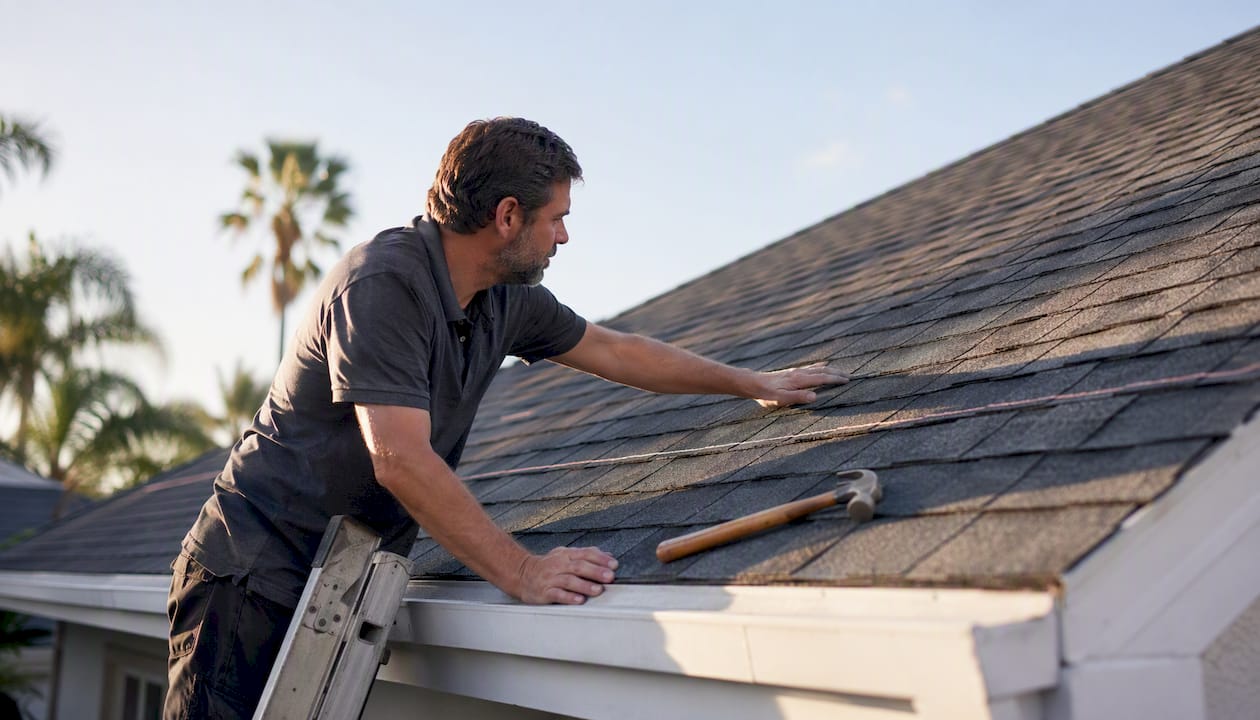
FHA requires every roof to prevent moisture from entering the home and to have a remaining physical life considered sufficient by appraisal standards. If an appraiser spots deficiencies, the loan goes on hold until a licensed contractor inspects, repairs, or certifies the roof. Here’s what that means for you right now:
- Remaining life rule: The HOC Reference Guide on Roofs & Attics requires that roofs deemed by the appraiser to have insufficient remaining life must be flagged as a deficiency, triggering a professional contractor inspection.
- Appraisers don’t climb: The FHA appraiser performs a ground-level visual check and an attic review. They are not required to walk on the roof, so obvious defects from the ground or ceiling stains inside are what drive their report.
- Contractor certification is often the fix: When a deficiency is flagged, a signed contractor report with photos, scope of work, and license number can satisfy the lender and keep closing on track.
- Your next step: Order a certified roof inspection before the appraisal, or pull together recent repair receipts and permits now. Catching problems early gives you time to fix them without delaying closing.
Key Takeaways
FHA roof inspection requirements center on one rule: the roof must prevent moisture entry and have at least two years of remaining physical life, with appraisers flagging deficiencies that require contractor repair or certification before closing.
| Point | Details |
|---|---|
| Two-year remaining life | FHA requires roofs to have at least two years of useful life left; less triggers a contractor inspection requirement. |
| Appraiser scope is limited | Appraisers do a ground-level and attic visual check only; they are not required to walk the roof. |
| Three-layer rule | If a roof has three or more shingle layers and needs repair, all layers must be stripped before new roofing is installed. |
| Conditional appraisal paths | Sellers can repair before closing, use an escrow holdback, or provide a signed contractor certification to lift the condition. |
| Hytzroofing next step | Hytzroofing provides certified inspections, repairs, and lender-ready documentation to resolve FHA appraisal conditions in Tampa Bay. |
Table of Contents
- FHA roof inspection requirements: the official HUD standards
- How FHA appraisers actually inspect a roof
- Common roof defects that trigger repairs or contractor inspections
- What happens when a roof fails the FHA appraisal
- Practical steps to take before the FHA appraisal
- When to call a licensed roofing contractor
- Sources
- FAQ
FHA roof inspection requirements: the official HUD standards
The governing document is HUD Handbook 4000.1, which sets the minimum property standards every FHA-financed home must meet. For roofs, the standard has two core requirements: the roof must prevent moisture from entering the dwelling, and it must provide reasonable future utility, durability, and economy of maintenance.
The remaining-life threshold is the main practical standard appraisers apply. If the appraiser believes the roof has insufficient useful life left, they must note it as a deficiency and make the appraisal “subject to” a professional roofing contractor inspection. That conditional status means the lender cannot close the loan until the condition is resolved.
Roofing layers matter too. Per FHA guidance on roofs and attics, when a roof has three or more layers of shingles and repair or replacement is required, all existing layers must be stripped before new roofing goes on. For older Tampa Bay homes that have had multiple overlay jobs over the decades, this can turn a simple repair into a full tear-off and replacement. That’s a cost and timeline factor worth knowing before you make an offer.
FHA standards also interact with local building codes. Under 24 CFR §200.926, HUD’s minimum property standards do not override state or local codes. In Florida, that means the Florida Building Code’s requirements for wind resistance and hurricane strapping apply alongside FHA rules. When the two conflict, the local HUD field office resolves the dispute. For Tampa Bay buyers, this is particularly relevant for tile and metal roofs, where Florida’s wind-load standards are stricter than the federal baseline.
How FHA appraisers actually inspect a roof
The appraiser’s job is to protect the lender’s collateral, not to give you a comprehensive roof condition report. That distinction matters more than most buyers realize.
What the appraiser does
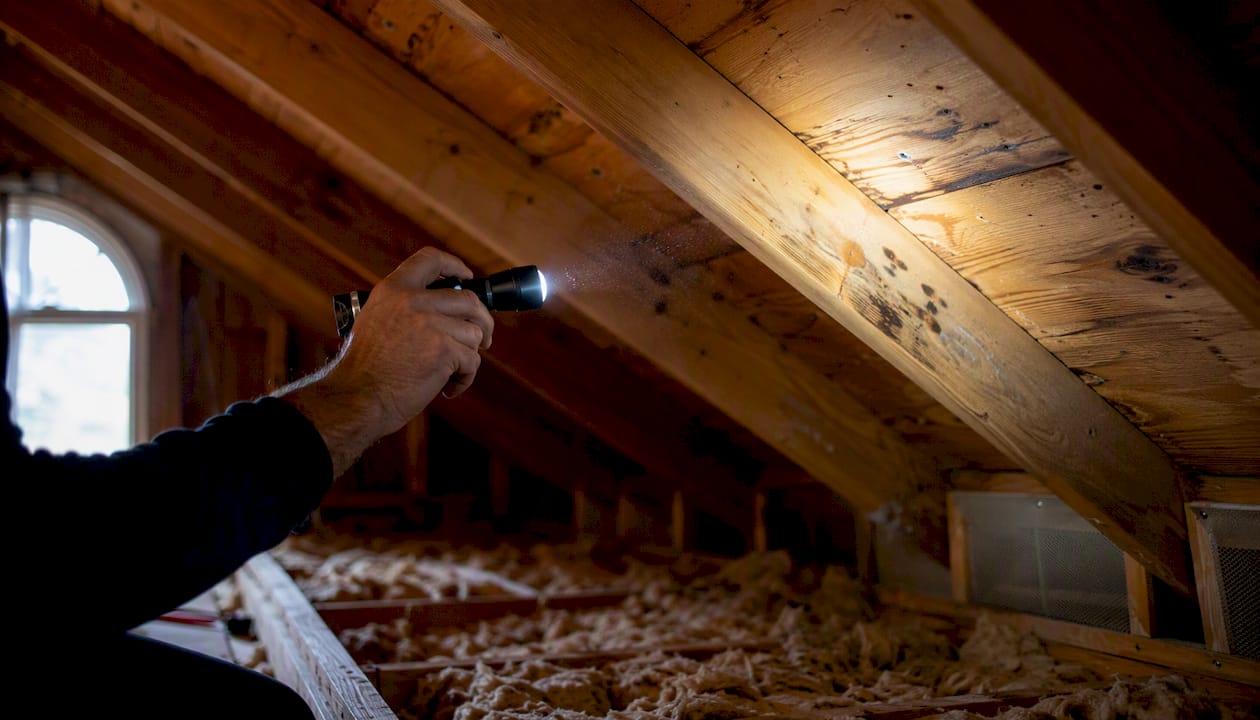
The standard procedure starts at the ground. The appraiser walks the exterior perimeter, looking for visible damage: missing or broken shingles, sagging ridgelines, damaged flashing, and signs of improper drainage. They then check the attic for water stains, mold, daylight penetration, and deteriorated sheathing. Per the HOC Reference Guide, appraisers are not required to climb onto the roof. If they cannot safely observe a section, they document it as unobservable.
What happens when the roof can’t be seen
Snow cover, steep pitch, or a locked attic hatch can all make portions of a roof unobservable. In those cases, the appraiser must document the unobservable areas in the report. The underwriter then decides whether to accept the appraisal as-is or require a contractor inspection before closing. Recent HUD updates also formalized remote observation options for declared-disaster areas, which can affect acceptable documentation and reinspection procedures in special circumstances.
What the report includes
The appraiser rates roof condition on a scale (Good, Average, Fair, Poor), identifies the roofing material, notes any deterioration, and photographs deficiencies. They must explain their reasoning when they require a contractor inspection. According to HUD’s valuation protocol, conditions like leaking roofs, missing coverings, damaged flashing, and drainage problems all require documentation and typically trigger further review.
Pro Tip: Before the appraiser arrives, clear gutters of debris, open the attic access hatch, trim any tree limbs touching the roof, and have recent repair receipts ready. An appraiser who can easily observe the full roof and sees documented maintenance history is less likely to flag marginal conditions as deficiencies.
Common roof defects that trigger repairs or contractor inspections
Not every imperfection will stop your loan. The difference between a cosmetic issue and a lender-required repair comes down to whether the defect threatens the home’s habitability or the lender’s collateral. Here’s what typically forces action:
Defects that almost always require repair or contractor inspection:
- Active leaks or visible water intrusion anywhere in the structure
- Missing, broken, or severely deteriorated shingles or tiles
- Damaged, missing, or improperly installed flashing at valleys, chimneys, or penetrations
- Structural sagging along the ridge, rafters, or decking
- Three or more roofing layers when repair or replacement is needed
- Visible interior water stains on ceilings or attic sheathing
- Blocked or damaged gutters and downspouts causing drainage problems against the foundation
- Extensive cupping, curling, or granule loss indicating less than two years of remaining life
What’s usually considered cosmetic (minor):
- A small number of cracked or lifted shingles with no underlying damage
- Minor granule loss on an otherwise structurally sound roof
- Surface discoloration or algae staining without moisture penetration
The line between minor and major shifts quickly in Florida. Wind-driven rain during a summer storm can push water through a gap that looks cosmetic in dry weather. Appraisers working in Tampa Bay know this, and they tend to flag borderline conditions rather than let them slide. When an appraiser rates condition as Fair or Poor, Chase’s FHA appraisal guidance confirms the lender will require repairs or certifications before the loan can close.
What happens when a roof fails the FHA appraisal
A flagged roof doesn’t kill the deal. It creates a conditional appraisal, and there are several paths forward.
-
Seller completes repairs before closing. The seller hires a licensed contractor, completes the required work, and provides receipts, permits, and photos. The appraiser or a second inspector confirms the repairs, and the conditional status is lifted.
-
Escrow holdback for post-closing repairs. In some cases, the lender agrees to hold a portion of the loan proceeds in escrow until repairs are completed after closing. The amount held is typically 1.5 times the estimated repair cost. This option requires lender approval and is not available in every situation.
-
Contractor certification and reinspection. If the deficiency is minor, a licensed contractor’s signed certification that the roof meets FHA standards, supported by photos and a scope of work, may satisfy the underwriter without a full reinspection. The appraiser or lender will specify what documentation they need.
-
Full roof replacement. When the roof is beyond repair or has too many layers to patch legally, replacement is the only path. HUD’s handbook updates clarify inspection and repair escrow allowances that lenders can apply in these situations.
Reinspection windows vary by lender, but most expect completed repairs within 30–90 days of the conditional appraisal. Who pays is a negotiation point. Sellers often cover repairs to keep the sale moving, but buyers can offer to split costs or adjust the purchase price. If a full replacement is needed, roofing loan options and home improvement financing can help buyers or sellers cover the cost quickly.
Practical steps to take before the FHA appraisal
Getting ahead of the appraisal is the single best way to avoid a conditional report. Here’s a focused checklist:
- Open the attic access. Make sure the hatch is unlocked and the appraiser can get in without a ladder hunt.
- Document recent repairs. Gather contractor invoices, permits, and photos from any roof work done in the past five years.
- Clear gutters and downspouts. Blocked drainage is a common flag and an easy fix.
- Trim overhanging branches. Tree limbs touching or rubbing the roof surface are a deficiency trigger.
- Collect manufacturer warranties. If the roof is relatively new, the warranty documentation supports the remaining-life estimate.
- Get a pre-appraisal contractor inspection. A licensed roofer can identify and fix borderline issues before the appraiser arrives.
Timing matters. Schedule a contractor inspection at least two to three weeks before the appraisal date. That gives you time to complete minor repairs, pull permits if needed, and have documentation in hand. Rushing repairs the day before appraisal rarely produces the paperwork lenders want.
Pro Tip: Lenders prefer contractor documentation that includes before-and-after photos, the contractor’s Florida license number, a signed statement of remaining useful life, and a copy of the permit if work required one. A one-page summary with those four elements moves through underwriting faster than a detailed narrative without them.
When to call a licensed roofing contractor
The FHA appraisal is not a substitute for a professional roof inspection. Appraisers identify readily observable conditions. A licensed roofer evaluates the full roofing system: decking integrity, fastener patterns, underlayment condition, flashing details, and material-specific wear patterns. Those are the details that predict whether a roof will hold through the next hurricane season.
What a contractor report should include for lenders
A contractor inspection report that satisfies FHA lenders typically covers:
- Roofing material type, age, and current condition rating
- Scope of any completed or recommended repairs
- Before-and-after photographs of all deficiency areas
- Estimated remaining useful life of the roof system
- Contractor’s Florida license number and insurance certificate
- Permit number and status (if work was performed)
- Signed certification that completed repairs meet FHA minimum property standards
Per FHA appraisal commentary, appraisers document material type and condition but are not expected to perform in-depth roof-system diagnostics. When they note a deficiency, the appraisal becomes subject to contractor inspection or repair. That contractor report is what closes the loop for the underwriter.
Contractor-led solutions lenders accept
A signed repair certification with photos and permits is the most common path to lifting a conditional appraisal. When the work is minor, this can happen in days. For larger repairs or replacements, an escrow holdback may still be needed, but the contractor’s documentation sets the timeline and cost estimate the lender uses to calculate the holdback amount.
Hytzroofing handles the full cycle: inspection, repair or replacement, lender documentation, and reinspection support. As a GAF Master Elite® Contractor (a designation held by fewer than 2% of roofing contractors in North America) with Florida Contractor License #CCC1332551, Hytzroofing produces the kind of credentialed, photo-documented reports that underwriters accept without follow-up questions.
Pro Tip: Ask your contractor to include a line-item breakdown of materials and labor in the certification letter. Underwriters reviewing escrow holdback amounts want to see that the estimate is itemized, not a round number. It speeds up approval.
What Tampa Bay roofers see most often on FHA appraisals
In Tampa Bay, the most common FHA appraisal flags come down to three situations: roofs that are 15 or more years old with visible granule loss, homes with two or three layers of shingles from previous overlay jobs, and storm-damaged tile or metal roofs where a few missing pieces have gone unrepaired.
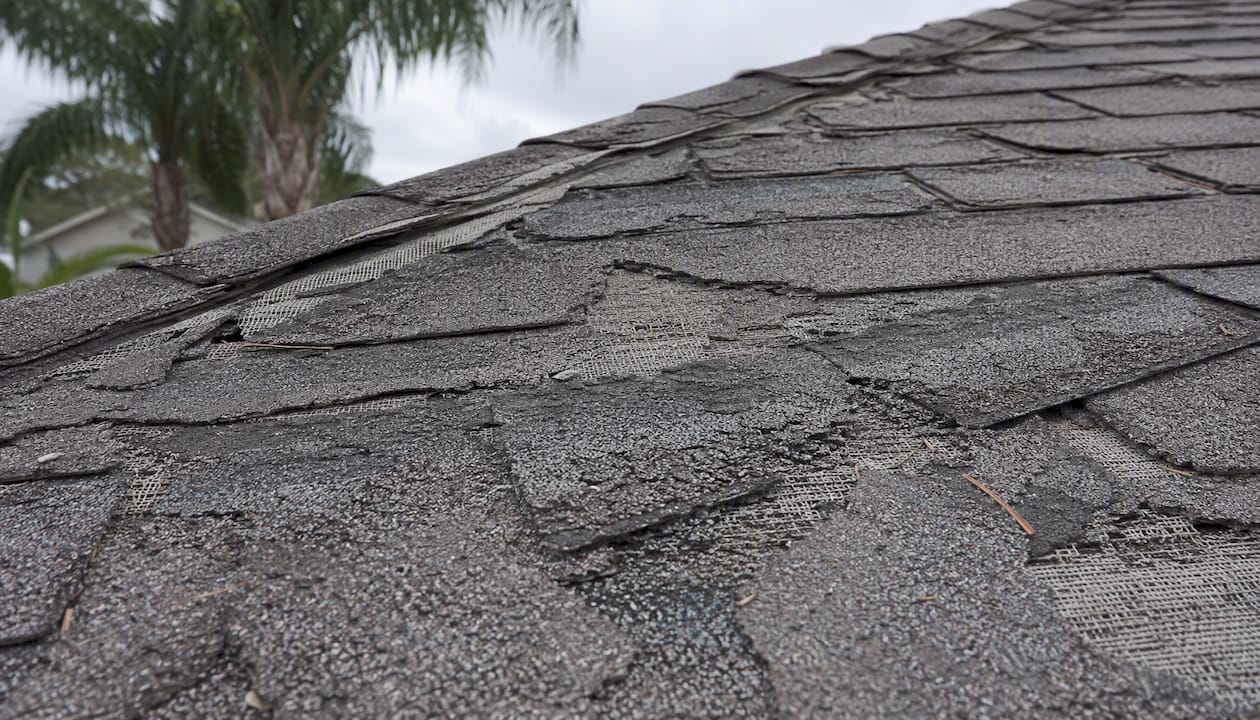
The good news is that most of these are fixable before closing. A targeted repair on a tile roof, a partial shingle replacement with matching materials, or a documented flashing repair often resolves the conditional status without a full replacement. Wind-driven rain is Tampa Bay’s biggest roof stressor. When an appraiser sees lifted flashing at a chimney or pipe boot, they know what a summer storm does to that gap. Addressing those penetration points before appraisal removes the most common trigger.
One example: a seller in Hillsborough County received a conditional appraisal citing damaged flashing and two missing ridge cap tiles. A licensed contractor completed the repair in one day, provided a signed certification with photos and a permit, and the underwriter lifted the condition within 48 hours. The sale closed on schedule.
Hytzroofing helps you close on time 🏠
When an FHA appraisal flags your roof, speed and documentation are everything. Hytzroofing offers certified roof inspections, targeted repairs, full replacements, and the lender-ready documentation packages that underwriters need to lift conditional appraisals fast.
As a GAF Master Elite® Contractor with Florida Contractor License #CCC1332551, BBB Accreditation with an A+ rating, and the 2025 Angi Super Service Award, Hytzroofing carries the credentials lenders trust. Whether you need a residential roof repair or replacement in Tampa or a full roof replacement estimate, the team moves quickly to keep your closing timeline intact. 📋 Schedule your certified inspection today and get the contractor report your lender needs.
Sources
These are the primary HUD and lender documents behind this guide. Bookmark them if you need to dispute an appraisal finding or prepare documentation for an underwriter.
FAQ
What are the FHA roof requirements?
FHA requires the roof to prevent moisture from entering the home and to have a remaining physical life of at least two years, per HUD’s HOC Reference Guide. Roofs that fall short must be repaired, replaced, or certified by a licensed contractor before the loan can close.
Are inspections required for FHA loans?
A full roof inspection is not automatically required, but the FHA appraiser will flag any visible deficiencies and make the appraisal conditional on a contractor inspection or repair. Buyers are also strongly encouraged to order a separate professional inspection, since the appraisal only checks minimum property standards.
Can you get an FHA loan with a bad roof?
Yes, but the loan will be conditional until the roof issue is resolved. The seller can complete repairs before closing, an escrow holdback can be set up for post-closing work, or a licensed contractor can certify completed repairs with photos and documentation. The sale can proceed once the lender’s condition is satisfied.
Do FHA appraisers look at roofs?
Yes. Appraisers perform a ground-level visual inspection and check the attic for signs of leaks or deterioration. They are not required to walk on the roof, but they must document any observable deficiencies, rate the roof’s condition, and identify the roofing material in their report.
Recommended
- Why Commercial Roofs Need Inspections: A Property Manager’s Guide | Hytz Roofing
- What BBB Accredited Means for Roofing: A Homeowner’s Guide | Hytz Roofing
- Commercial Roof Inspection Process Guide for Property Managers | Hytz Roofing
- Roof Replacement Steps Homeowners Expect: Clear Guide | Hytz Roofing