Avoid Nonrenewal: Citizens Roof Rules and 25/50 Caps in Florida
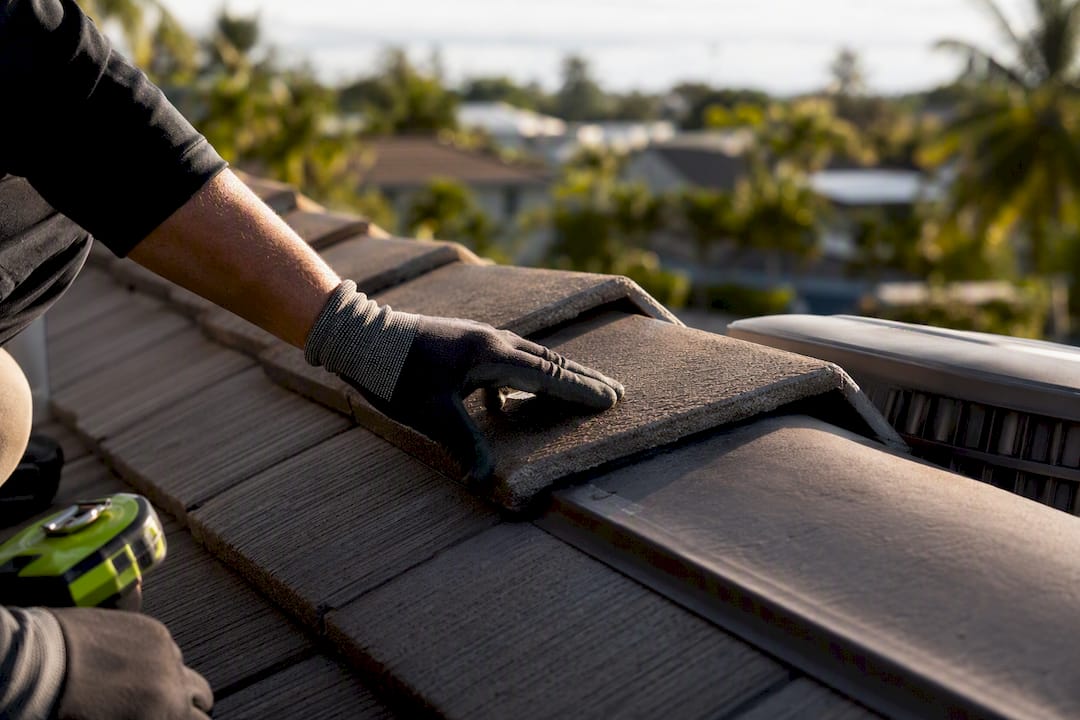
Citizens will generally insure homes with shingle (soft) roofs considered within the expected service life under age limits and tile, metal, or concrete (hard) roofs considered within a longer expected service life age range. For roofs exceeding these estimated age thresholds, documentation proving sufficient remaining useful life or proof of roof replacement is required for coverage consideration. Underwriting still has final say, even when your paperwork checks every box.
TL;DR:
- Roof age limits are 25 years for shingle roofs and 50 years for tile, metal, or concrete, with documentation required for roofs exceeding these ages.
- Proof of replacement must include a finalized permit or paid invoice; if not, a licensed inspection showing remaining useful life can suffice for up to five years.
- Inspection forms must be comprehensive, with photos of every roof slope, defect details, and inspector credentials, or they risk rejection.
- Older roofs beyond age limits may qualify for coverage if documented with proper inspection proof of remaining use, but this is a one-time exception.
- Maintaining complete, up-to-date paperwork annually prevents coverage issues and strengthens your case during renewals or disputes.
Table of Contents
- What Are Citizens Insurance Roof Requirements for Roof Age?
- What Documents Prove Roof Replacement or Remaining Useful Life?
- How Do You Get a Citizens-Compliant Roof Inspection Form?
- What Exceptions Exist for Older Roofs and New Home Purchases?
- How Does Citizens Enforce Roof Rules After You’re Insured?
- How Do Roof Requirements Affect Your Premium and Coverage?
- What Roofing Materials Does Citizens Accept?
- How Do You Dispute a Roof Denial or Nonrenewal?
- How Do You Maintain Roof Eligibility Year After Year?
- What Happens if an Inspection Finds Roof Damage?
- Why Getting the Paperwork Right the First Time Matters
- Get a Citizens-Ready Roof Inspection
- Sources
- FAQ
What Are Citizens Insurance Roof Requirements for Roof Age?
Citizens splits roofing materials into two categories, and the category determines the clock. Soft roofs, meaning composition shingle and similar materials, generally have a coverage eligibility limit around a quarter century of age. Hard roofs, such as tile, slate, clay, concrete, and metal, typically have a coverage age limit about twice as long as soft roofs. This split exists because Citizens’ own roof rule bulletin recognizes that a well-installed metal or tile roof simply outlasts asphalt shingles by decades in Florida’s heat and humidity.
Age isn’t always obvious, though. Here’s how Citizens sorts out the tricky cases:
- Partial replacements: If only part of the roof was replaced, Citizens uses the age of the oldest remaining section, not the newest patch.
- Mixed materials: A home with both a shingle main roof and a metal porch overhang gets evaluated by whichever section is closest to its cap.
- Mobile and manufactured homes: These follow the same soft/hard material caps, but inspectors often flag flashing and seam wear earlier because of how manufactured roofs are constructed.
- Unknown installation dates: Without a permit or invoice, Citizens and inspectors typically default to the most conservative age estimate, which can push a roof into “documentation required” territory even if it looks fine.
If you’re not sure which bucket your roof falls into, a licensed contractor can pull your property’s permit history in minutes, which is often faster than digging through old paperwork yourself.
What Documents Prove Roof Replacement or Remaining Useful Life?
Citizens doesn’t take a homeowner’s word for it, and it doesn’t take a contractor’s word for it either, at least not without paper behind the claim. You need one of two things: proof the roof was replaced, or proof it has enough life left in it.
- A finalized building permit or a paid-in-full contract/invoice. This is the gold standard for proving replacement year; a contractor-focused roofing website must-haves checklist can help ensure your documents meet all necessary requirements. Citizens’ required document updates specify that an informal statement from a contractor won’t cut it; you need a closed permit or a fully paid invoice with the completion date.
- A 4-Point Inspection Form or Roof Inspection Form showing remaining useful life. If the roof hasn’t been replaced but isn’t failing either, a licensed inspector can document up to five years of RUL, which is the maximum Citizens will accept.
- Inspector credentials on the form itself. Every submission needs a Florida license number, a signature, and a dated completion, per Citizens’ securesupport guidance on personal residential roof age requirements.
Your agent reviews this paperwork before binding, and a sloppy or incomplete form gets kicked back before it ever reaches underwriting. Building a clean file the first time saves weeks.
How Do You Get a Citizens-Compliant Roof Inspection Form?
The Roof Inspection Form, officially labeled RCF-1 03 25, isn’t a checkbox exercise. Citizens rewrote the form in March 2025 to mirror the 4-Point Inspection Form, which means underwriters now expect the same level of detail on both documents.
Your inspector needs to capture:
- Photos of every slope of the roof, not just the section that looks newest.
- Close-up shots of any patched, repaired, or visibly deteriorated areas.
- A clear statement on whether the roofing system is in acceptable condition, not a vague “looks fine” note.
- Signatures and Florida license numbers from a licensed roofing contractor, general contractor, or certified home inspector.
The most common rejection reason isn’t roof condition. It’s an incomplete form: missing a slope photo, a blank signature line, or an inspector who forgot to list their license number. The Roof Inspection Form specifications spell this out clearly, and underwriters will bounce a form back rather than guess.
Pro Tip: Ask your inspector directly whether they’ve completed an RCF-1 for Citizens before. An inspector who’s done it dozens of times will know to photograph the ridge vents and flashing details underwriters flag most often, saving you a second inspection visit.
What Exceptions Exist for Older Roofs and New Home Purchases?
Not every roof past the age cap is uninsurable. Citizens built in a few specific escape routes, but each comes with strict conditions.
An exception may allow roofs older than the age limits to qualify if a licensed inspector documents sufficient remaining useful life. This exception is generally granted once. Citizens’ update on roof age eligibility confirms the one-time nature of this allowance, so a homeowner shouldn’t expect to keep renewing on the same aging roof indefinitely without eventual replacement.
For recent buyers, there’s a separate path. If you purchased the home within 45 days of your requested policy effective date, and the roof needs work, Citizens allows an unbound submission when you provide a signed contract to complete full replacement within 30 days of that effective date. Per Citizens’ unbound submission guidance:
- The contract must be with a licensed contractor, not a handshake deal.
- The buyer must sign it personally.
- The completion timeline must be stated explicitly, not implied.
Miss any of those three details and the unbound submission gets rejected.
How Does Citizens Enforce Roof Rules After You’re Insured?
Coverage isn’t a one-time approval. Citizens can revisit roof condition at renewal or through periodic inspections, and if your roof’s remaining useful life drops to one year or less, expect a courtesy letter warning you of potential nonrenewal.
- Underwriting keeps final authority even when an inspection technically shows acceptable RUL on paper.
- A courtesy nonrenewal letter isn’t automatic doom. It’s a signal to act before the policy lapses.
- Timely repairs, a fresh inspection, or a documented replacement typically resolve the issue before nonrenewal takes effect.
Homeowners who ignore these letters lose more than convenience. They lose leverage, because scrambling for a contractor two weeks before a nonrenewal date rarely produces the best pricing or scheduling.
How Do Roof Requirements Affect Your Premium and Coverage?
Roof age doesn’t just decide whether Citizens will write you a policy. It shapes what you pay and how a claim gets settled if disaster strikes.
Insurance industry guidance from the Insurance Information Institute’s roof toolkit notes that aging roofs often shift settlement terms from replacement-cost value to actual-cash-value, meaning depreciation gets subtracted from any claim payout. A 20-year-old shingle roof damaged in a storm might only net you a fraction of replacement cost, while a roof replaced two years ago under the same policy could pay out at full replacement value.
This is where the roof age caps and premium math intersect directly. A newer roof, or one with documented RUL, tends to qualify for better rate tiers because Citizens views the wind and water risk as lower. An older roof without documentation either gets declined outright or, if grandfathered in under a prior policy, often carries an ACV endorsement that quietly limits your payout on the next claim.
Wind mitigation features layer on top of roof age. A roof that meets Florida’s updated wind-rating standards, secondary water barriers, or improved roof-to-wall connections can earn credits that partially offset the cost of an aging roof’s other risk factors. If you’re weighing a full replacement anyway, it’s worth asking your contractor about wind mitigation inspection credits at the same time, since bundling the inspections saves a service call and often surfaces savings homeowners didn’t know existed.
What Roofing Materials Does Citizens Accept?
Citizens doesn’t ban specific brands or products, but it does treat materials differently based on how they perform against Florida’s wind and water exposure.
Composition shingle roofs remain the most common and most affordable option, but they carry the shorter 25 year eligibility window and tend to show wear faster in coastal humidity. Metal roofing, concrete tile, clay tile, and slate all fall into the 50 year hard-roof category, reflecting their longer service life and generally stronger wind performance when properly installed.
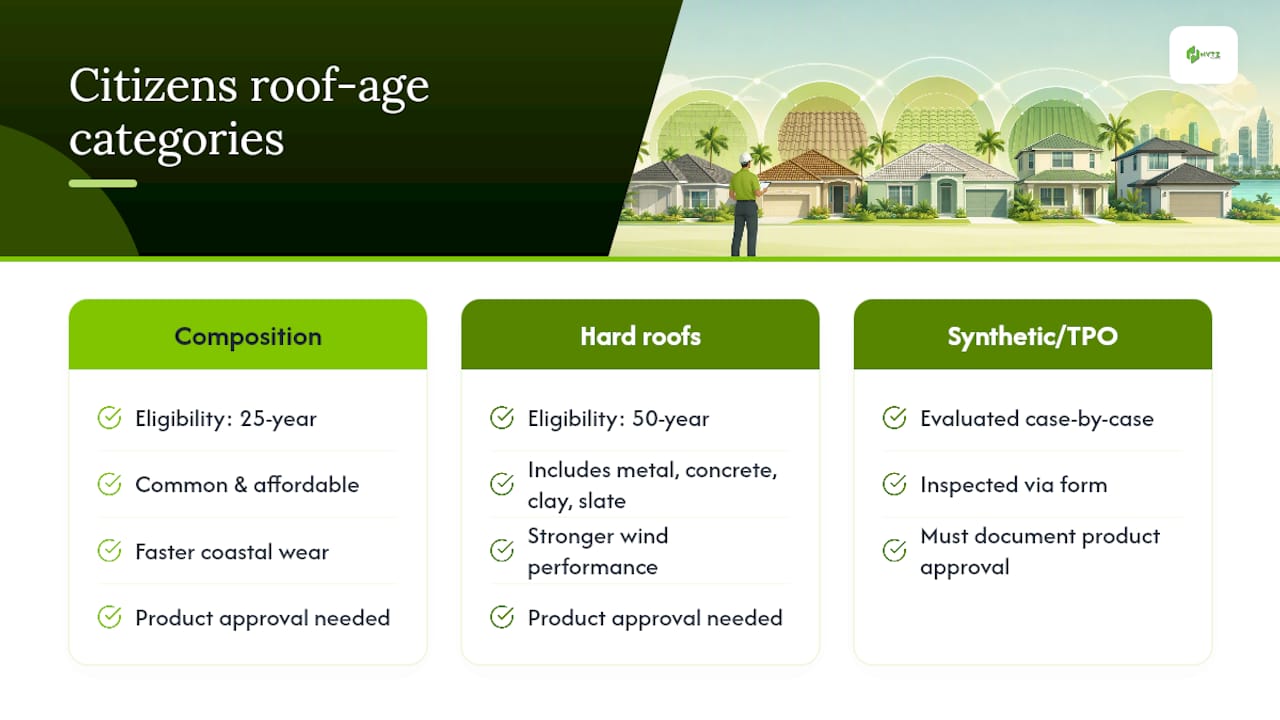
Synthetic roofing products and modern flat-roof systems like TPO don’t fit neatly into the traditional shingle-versus-tile framework, and Citizens generally evaluates these on a case-by-case basis through the inspection form rather than a blanket age rule. What matters most to underwriters isn’t the brand name on the shingle wrapper. It’s whether the installation carries a valid Florida product approval or Notice of Acceptance for wind resistance, and whether the inspection form documents the system as being in acceptable condition.
If you’re replacing a roof and want the new one to hold up under scrutiny at your next renewal, verifying the wind rating and product approval before installation matters just as much as the material choice itself. A Class 4 impact-rated shingle installed without proper documentation offers you no more insurance benefit than a standard shingle with paperwork in order.
How Do You Dispute a Roof Denial or Nonrenewal?
A denied roof submission or nonrenewal notice isn’t necessarily final. Start by requesting the specific reason in writing from your agent or from Citizens directly. Vague rejections almost always trace back to one of two things: an incomplete inspection form, or a roof age that genuinely exceeds the cap without RUL documentation.
If the denial stems from a paperwork gap, the fix is often simple. Get a second, more thorough inspection from a contractor familiar with the RCF-1 form’s photo and signature requirements, then resubmit through your agent. If Citizens disputes the RUL figure your inspector documented, you can request a re-inspection or provide additional evidence, such as maintenance records or a follow-up inspection from a different licensed contractor.
For nonrenewal notices tied to roof condition, Florida law gives homeowners a window to respond before the policy lapses. Use that window to schedule repairs, obtain a new inspection, or, if the roof is genuinely past its useful life, get a signed replacement contract in hand. A documented plan in motion carries far more weight with underwriting than a promise to “get to it eventually.”
Homeowners who believe Citizens made an error in applying its own age rules can also escalate through the agent to Citizens’ underwriting review process. Keep every document, every photo, and every date. Paper trails win these disputes; memory and verbal assurances don’t.
How Do You Maintain Roof Eligibility Year After Year?
Staying insured isn’t a one-time hurdle you clear at binding. It’s an ongoing responsibility, and the homeowners who avoid nonrenewal surprises treat it that way.
Start each policy year by checking your roof’s actual age against the 25 or 50 year caps, and mark your calendar a year before you’d hit either threshold. When you’re approaching the cap, schedule a 4-Point or Roof Inspection Form update proactively rather than waiting for Citizens to request one. This buys you time to address any issues an inspector flags before they become a nonrenewal trigger.
Keep a physical or digital folder with every permit, paid invoice, and inspection form tied to your roof. When Citizens or your agent requests updated documentation, being able to produce it within a day rather than a week keeps your renewal on track. If you’ve had any repairs, even minor ones, get them documented with dates and the contractor’s license number, since scattered small repairs without paperwork can look like neglect to an underwriter reviewing your file.
Finally, if you’ve made wind mitigation upgrades since your last inspection, such as improved roof strapping or upgraded underlayment, claim those credits at renewal rather than assuming your agent will catch them automatically. Insurance premiums reward documented improvements, not improvements that exist only on the roof and not on paper.
What Happens if an Inspection Finds Roof Damage?
An inspection turning up damage doesn’t automatically mean coverage disappears, but how you respond in the following weeks determines the outcome. Inspectors are required to note deficiencies specifically, not generally, so you’ll typically get a list of exact problem areas: a cracked tile here, exposed nail heads there, a soft spot near a vent boot.
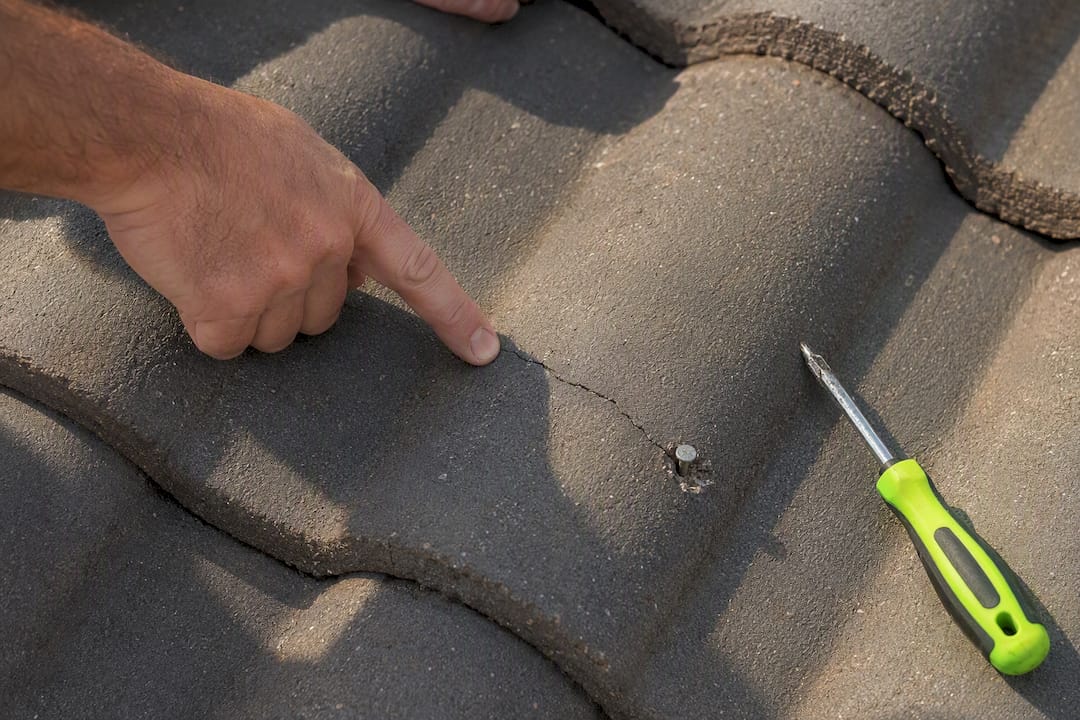
Minor, localized damage is often repairable without triggering a full roof age reassessment. Getting those repairs done promptly by a licensed contractor, with an invoice and photos documenting the fix, usually satisfies underwriting. The mistake many homeowners make is delaying repairs until the next renewal cycle, by which point what was a small deficiency has become a bigger, more expensive problem, and a stronger reason for Citizens to question the roof’s overall condition.
More extensive damage, especially anything affecting the roof’s structural integrity or a significant portion of its surface, may push the roof toward the RUL documentation requirement or a replacement recommendation regardless of the roof’s chronological age. In these cases, a storm damage assessment helps clarify whether you’re looking at a repair, a partial replacement, or a full tear-off, and that distinction changes both your insurance conversation and your budget significantly.
Either way, get everything in writing. An inspector’s verbal “it’s probably fine” carries no weight with underwriting. A signed form stating the roof is in acceptable condition does.
Why Getting the Paperwork Right the First Time Matters
Florida homeowners spend a lot of energy worrying about roof age caps, but the real friction point I see is paperwork, not physics. A 30-year-old tile roof in good shape has a decade of eligible life left under Citizens’ 50-year cap, yet plenty of those homeowners get flagged simply because nobody pulled the original permit or hired an inspector who knew what RCF-1 actually requires.
The homeowners who sail through renewals aren’t the ones with the newest roofs. They’re the ones with the most complete files. If there’s one action worth taking this month, it’s ordering a Citizens-aware inspection now, before a renewal notice forces the timeline. Waiting until a courtesy letter arrives puts you in a weaker negotiating position and a tighter schedule than acting on your own terms.
— Anthony
Get a Citizens-Ready Roof Inspection
A qualified roofing contractor can provide a direct route to a Citizens-compliant roof file, handling inspection, photo documentation, and permit paperwork under one roof, avoiding the need to coordinate multiple vendors to assemble a submission that underwriting will accept.
As a GAF Master Elite® Contractor, a distinction held by fewer than 2% of roofing contractors in North America, and licensed under Florida Contractor License #CCC1332551, our team knows exactly what RCF-1 and 4-Point forms require before we ever climb the ladder. We photograph every slope, document deficiencies with the specificity underwriters expect, and if replacement is the right call, we provide the signed contract and finalized permit that prove your roof’s age to Citizens’ satisfaction. Our BBB A+ accreditation and full insurance coverage back every job.
If your roof is approaching 25 or 50 years, or you’ve received a courtesy letter, schedule a roof replacement estimate or contact us for insurance claim assistance before your renewal date puts you under pressure.
Sources
- Roof Rule Changes - Public (Citizens Property Insurance Corporation)
- What are the roof age requirements for personal residential policies? (Citizens securesupport)
FAQ
What Are the Insurance Requirements for Roofs in Florida?
Citizens Property Insurance generally requires shingle roofs under 25 years old and tile, metal, or concrete roofs under 50 years old, or documentation showing at least five years of remaining useful life for older roofs.
What Are the New Roof Rules in Florida?
The most recent update came in March 2025, when Citizens aligned its Roof Inspection Form with the 4-Point Inspection Form, requiring more detailed photos and inspector credentials.
Will Insurance Cover a 15-Year-Old Roof in Florida?
Yes. A roof age well under both the 25-year shingle cap and the 50-year hard-roof cap typically qualifies for standard coverage without extra documentation.
What Is the 25% Roof Replacement Rule in Florida?
This refers to Florida’s building code provision requiring a full roof replacement, rather than a partial repair, when more than 25% of the roof is being repaired or replaced within a 12-month period on many older structures. It’s separate from Citizens’ age-based eligibility caps, though both can affect your renewal timeline if a large repair triggers a full permit.
How Do I Qualify for Roof Insurance if My Roof Is Past the Age Cap?
You submit a Roof Inspection Form or 4-Point Inspection Form from a Florida-licensed inspector documenting at least five years of remaining useful life, or proof of a completed replacement through a permit or paid invoice.