Verify NOA and Wind Rating Before Buying Class 4 Shingles in Florida
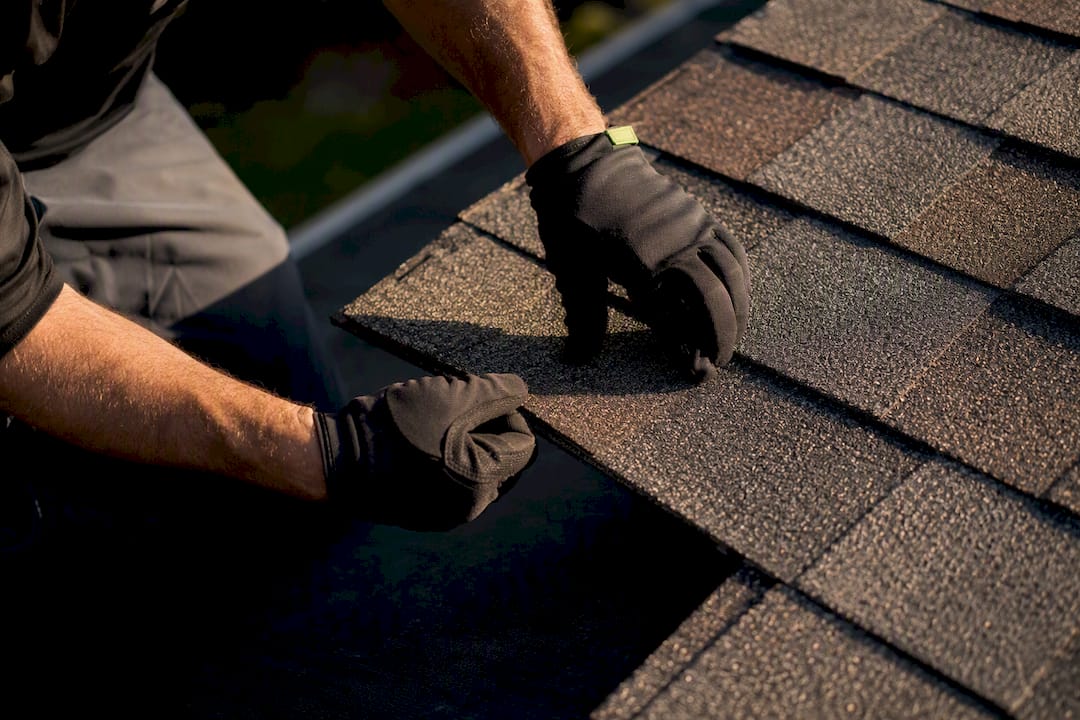
For most Tampa Bay homeowners, Class 4 shingles are worth the upgrade if you’re replacing your roof anyway, but they’re not a magic ticket to lower insurance premiums here the way they are in hail-belt states. Before you commit, confirm two things with your carrier and your contractor: whether your policy offers any credit for the upgrade, and whether the product carries the wind rating and Miami-Dade NOA approval your part of Florida actually requires. The rest comes down to testing standards, real costs, and code compliance, which is where this gets interesting.
TL;DR:
- Class 4 shingles pass UL 2218 impact testing by resisting a 2-inch steel ball dropped twice from 20 feet without damage, but that does not guarantee performance during actual hail storms.
- Florida’s lower hail activity means impact resistance offers real durability benefits, but insurance discounts are inconsistent and should be confirmed in writing with your carrier beforehand.
- Installation in high-velocity hurricane zones requires an active Miami-Dade NOA and strict adherence to specific installation patterns to meet local building codes and avoid inspection failures.
- The cost premium for Class 4 shingles varies with roof size and region, but payback from insurance credits is less likely in Florida; long-term savings depend more on durability and storm resilience.
- Always verify your insurance credit in writing and ensure your contractor is familiar with NOA requirements before purchasing or installing impact-resistant shingles.
Table of Contents
- What Are Class 4 Impact-Resistant Shingles, Exactly?
- How UL 2218 Testing Works (and Where It Falls Short)
- Real Benefits for Florida Homes, and the Insurance Catch
- What Class 4 Shingles Cost in Florida, and When They Pay Off
- Installation Rules: Miami-Dade NOA, FBC, and HVHZ Compliance
- Choosing the Right Shingle and Installer for Your Florida Home
- Hytz Roofing’s Approach to Class 4 Shingles in Tampa Bay
- Why Florida Homeowners Get This Decision Wrong
- Get a Florida-Ready Roof That Doesn’t Cut Corners on Code
- Sources
- FAQ
What Are Class 4 Impact-Resistant Shingles, Exactly?
A Class 4 shingle has passed the toughest tier of UL 2218, the industry test that measures how well roofing material resists a 2-inch steel ball dropped from 20 feet, twice, in the same spot, without cracking or tearing the mat underneath. That’s the whole standard in plain terms: drop a ball, check for damage, repeat. Class 4 is the top of a four-tier scale, and it’s meant to simulate the kind of hail impact that shreds a standard roof.

Manufacturers get there through different construction choices. Some, like TAMKO’s StormFighter FLEX, use polymer-modified asphalt that stays flexible on impact instead of cracking, paired with reinforced mat layers. Others, like Atlas’s Pinnacle Impact line, build in heavier fiberglass reinforcement to absorb the same shock.
What separates these from a standard architectural shingle:
- Thicker, reinforced mat construction that resists tearing on impact
- Polymer or rubberized modifiers that let the shingle flex instead of shatter
- Heavier overall weight per square, which also improves wind performance
- Manufacturer testing specifically against UL 2218, not just wind-uplift standards
Standard 3-tab and most architectural shingles were never engineered for this test. They’re built for wind and water resistance, not blunt-force impact, and that distinction matters when you’re comparing quotes.
How UL 2218 Testing Works (and Where It Falls Short)
The test itself is straightforward. A steel ball, sized differently per class, drops onto the shingle from a set height twice at the same point. Class 4 uses the largest ball, a 2 inch diameter sphere, and the shingle passes only if there’s no visible crack or tear in the mat.
Here’s the testing sequence in order:
- A sample shingle is mounted on a rigid test deck
- The steel ball drops from a calibrated height onto the same spot twice
- Inspectors check for fractures, tears, or exposed mat fibers
- A pass at the 2 inch ball size earns the Class 4 rating
Statistic: Insurance industry data compiled by the Insurance Information Institute shows hail causes billions in U.S. property losses annually, which is exactly why this test exists. However, it’s a lab simulation, not a forecast of your roof’s future.
Real hailstones vary wildly in density, speed, and angle compared to a dropped steel ball. A shingle’s age, how it was installed, and even deck condition underneath all affect how it performs once actual weather hits. A Class 4 shingle installed with the wrong nailing pattern or over a compromised deck won’t perform like the lab sample, which is why installation quality and wind rating still carry as much weight as the impact class itself.
Real Benefits for Florida Homes, and the Insurance Catch
Class 4 shingles genuinely resist cracking and granule loss better than standard shingles when debris or hail hits them, and that translates into fewer repair calls over the life of the roof. For a homeowner replacing a roof after storm damage, that durability is a real, tangible benefit. But Florida’s hazard profile is different from Texas or Oklahoma. The National Weather Service notes Florida has lower large-hail activity than the central hail belt, and Storm Prediction Center climatology supports this. Wind uplift and windborne debris from hurricanes drive most of the structural risk here, not hail.
That matters because insurance credits often follow the hazard. Here’s what to check before assuming savings:
- Ask your carrier directly whether Class 4 shingles trigger any premium credit on your specific policy
- Get any promised discount in writing before you sign a roofing contract
- Understand that many Florida carriers haven’t filed a statewide Class 4 discount, unlike states with heavier hail exposure
Industry analysis backs this up. Roofing Claim Guide notes that insurance credits for Class 4 upgrades are state and carrier specific, and that Florida often lacks such filed discounts because wind, rather than hail, primarily drives the state’s loss data.
Pro Tip: Call your insurance agent before your roofing contractor orders materials. Ask specifically for the underwriting guideline number tied to any impact-resistant discount. A verbal “it should help” from either party isn’t the same as a documented credit on your policy.
Where the upgrade makes clear sense: you’re already replacing the roof after storm damage, you plan to own the home long term, or you’re in one of the inland Central Florida pockets that sees more frequent hail than the coast.
What Class 4 Shingles Cost in Florida, and When They Pay Off
Class 4 shingles typically run higher per square than standard architectural shingles, reflecting the heavier materials and reinforced construction. On a typical Tampa Bay reroof, that premium adds up across the whole job, though exact numbers vary by roof size, pitch, and the contractor you choose. You can get a clearer sense of current local pricing from a Tampa Bay shingle replacement cost breakdown before you request quotes.
The math changes depending on where you live. Here’s how the ROI comparison actually plays out:
- In hail-belt states: an annual insurance credit can offset the upfront premium within several years
- In most of Florida: without a guaranteed credit, the payback comes from avoided repair costs and extended roof life, not a lower monthly premium
- In inland hail-prone counties: the calculation shifts closer to the hail-belt model since impact events happen more often
Statistic: Because Florida insurance filings often exclude a statewide Class 4 discount, the upgrade should be evaluated primarily on durability and storm resilience, not projected premium savings.
Deductible size matters too. If your policy carries a high hurricane deductible, a shingle that survives more storms without triggering a claim can save you more over ten years than a credit ever would. If you’re planning to sell within a few years, factor in that buyers increasingly ask about impact ratings during inspections, even where insurance savings aren’t guaranteed.
Installation Rules: Miami-Dade NOA, FBC, and HVHZ Compliance
A UL 2218 Class 4 label tells you the material passed a lab test. It doesn’t tell you the product is approved for installation in Florida’s High-Velocity Hurricane Zone, which covers Miami-Dade and Broward counties and carries its own approval layer. That’s where the Miami-Dade Notice of Acceptance comes in. An NOA product control document spells out exactly which installation details, from nail pattern to exposure to starter strip type, a product must follow to remain code compliant in HVHZ counties.
Follow this sequence before signing off on any Class 4 installation:
- Confirm the specific shingle product has an active NOA if you’re in an HVHZ county or one that follows similar local standards
- Match the installer’s nailing pattern and exposure exactly to the NOA’s specifications, not a generic manufacturer guide
- Verify the Florida Building Code wind rating target for your zip code, generally 130 mph or higher across most of Tampa Bay
- Ask for proper flashing and underlayment specs in writing before work begins
A few things worth knowing before your contractor pulls a permit:
- NOA documents often reference RAS 115 testing protocols and can restrict use based on roof mean height
- Even a Class 4 product can fail inspection if it’s not installed to its exact NOA pattern
- Standard asphalt shingle installation practices in Tampa still need to reference the specific product’s approval, not a one-size-fits-all method
Choosing the Right Shingle and Installer for Your Florida Home
Picking a Class 4 product means weighing more than the impact rating alone. Run through this checklist before you sign anything:
- Confirm the wind rating meets or exceeds your county’s Florida Building Code requirement
- Check whether the product carries an active Miami-Dade NOA, especially if you’re in or near an HVHZ county
- Read the manufacturer warranty terms, particularly what voids coverage related to installation
- Ask whether the shingle uses polymer-modified asphalt or standard asphalt, since that affects both impact and wind performance
- Confirm the product weight per square, since heavier shingles generally correlate with better wind and impact combined performance
When you’re interviewing contractors, ask for their Florida license number, proof of insurance, and whether they’re manufacturer certified for the specific product line you’re considering. A contractor unfamiliar with NOA paperwork on an HVHZ job is a red flag worth walking away from.
Pro Tip: Ask any contractor promising guaranteed insurance savings to show you the underwriting bulletin or filing that supports the claim. If they can’t produce it, treat the number as a sales estimate, not a fact.
Watch for vague installation specs in a written estimate, too. “Standard installation” isn’t a spec. You want nail count, exposure, and underlayment type in writing.
Hytz Roofing’s Approach to Class 4 Shingles in Tampa Bay
We hold Florida Contractor License, carry full general liability and workers’ compensation coverage, and have BBB Accreditation.
Before we recommend a Class 4 upgrade, we verify the product’s current NOA status, confirm HVHZ compliance where it applies, and walk you through what your insurance carrier will and won’t credit. If you’re weighing this decision after storm damage, our storm damage repair team can also help document the claim alongside the material upgrade.
Why Florida Homeowners Get This Decision Wrong
The most common mistake I see in how this topic gets covered: writers borrow hail-belt logic and apply it to Florida without adjusting for the state’s actual risk profile. Insurance credit talk dominates most Class 4 content because it’s true in Oklahoma or Texas. It’s not reliably true here, and repeating it without the caveat sets homeowners up for disappointment when their premium doesn’t budge.
What actually matters in Tampa Bay is wind performance and installation precision, with impact resistance as a genuine bonus, not the headline reason to upgrade. A Class 4 shingle installed off-spec in an HVHZ county can fail inspection regardless of its lab rating. That’s a bigger practical risk than missing an insurance credit that may not have existed in the first place.
If you take one thing from this: verify your insurance credit in writing before you budget for it, and verify your contractor’s NOA familiarity before you sign a contract. Everything else, including brand choice, is secondary once those two boxes are checked.
— Anthony
Get a Florida-Ready Roof That Doesn’t Cut Corners on Code
If you’re comparing Class 4 shingle options and wondering whether the upgrade makes sense for your specific address, We are experienced in these decisions and include NOA verification and Florida Building Code wind rating confirmation in our Class 4 installation estimates.
That matters because a lot of roofing quotes skip the NOA check entirely until permit day, when it’s too late to change course. We check it upfront. If you’re ready to see real numbers for your home, request a free estimate for roof replacement in Tampa and we’ll walk you through which Class 4 products fit your wind zone, your budget, and your insurance carrier’s actual guidelines.
Sources
- Miami‑Dade County Notice of Acceptance (NOA) product control document
- TAMKO StormFighter FLEX® - Polymer Modified Impact Rated Shingles
- Class 4 Impact Resistant Shingles: Worth It in 2026?
FAQ
Is It Worth Getting Class 4 Shingles in Florida?
Yes, if you’re already replacing your roof, since the added durability against hail and debris impact holds up over the roof’s lifespan, but don’t count on it lowering your insurance premium the way it might in a hail-belt state.
Will Class 4 Shingles Lower My Insurance Premium in Florida?
Not automatically. Many Florida carriers haven’t filed a statewide discount for Class 4 shingles because wind, not hail, drives most of the state’s loss data, so you need to confirm any credit directly with your carrier in writing.
Are 30-Year Shingles Automatically Class 4 Rated?
No. Warranty length and impact rating are separate specifications; a long-lasting shingle can be a standard architectural product with no Class 4 certification, so check the product’s UL 2218 documentation specifically.
Which Shingle Brands Offer Class 4 Ratings?
Manufacturers including TAMKO with its StormFighter FLEX line and Atlas with its Pinnacle Impact line both produce UL 2218 Class 4 rated shingles designed to pair impact resistance with elevated wind performance.
Do I Need a Miami-Dade NOA for Class 4 Shingles Outside Miami-Dade County?
Not typically, but if you’re in an HVHZ county or a jurisdiction that references Miami-Dade approvals in its local code, you’ll still need to confirm the product’s NOA status before your contractor pulls a permit.