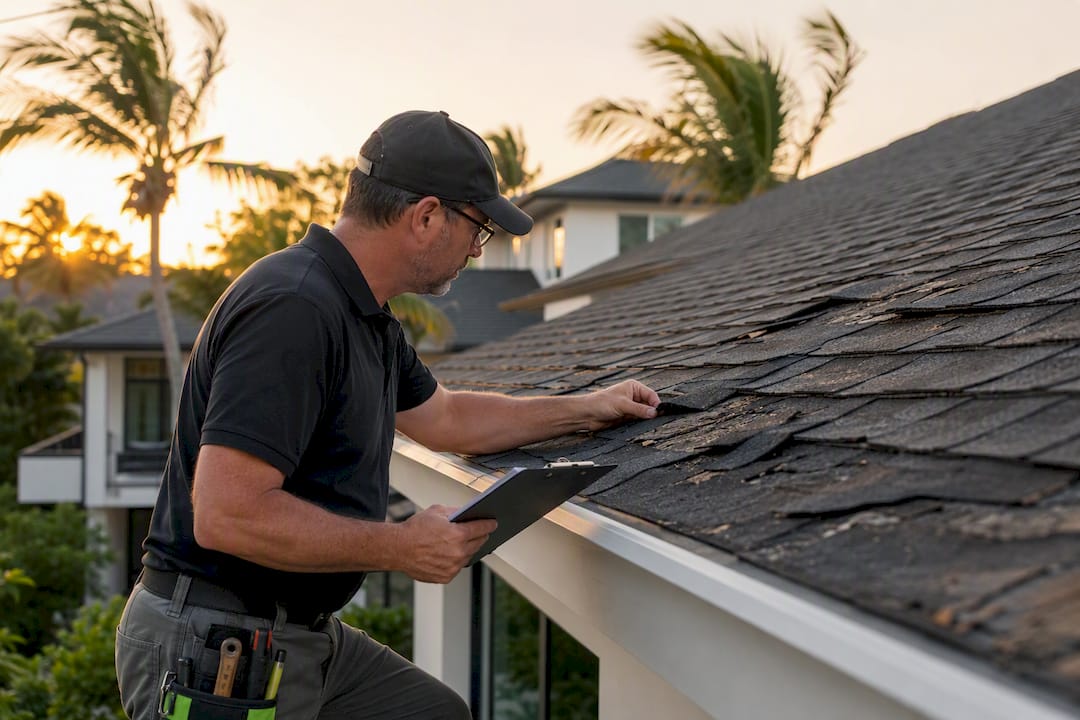
Roof Claim Denied in Florida? What to Do Right Now
Florida roof claim denial requires prompt action: document visible damage, review your policy, and consider a professional inspection before filing an appeal.
A roof claim denied in Florida is not the end of the road. Homeowners who act fast often get the decision reversed or the claim reopened, especially when they follow the right steps under Florida Statute §627.70132 and the Florida Department of Financial Services complaint process. Do these three things immediately:
- Get the denial in writing and calendar every deadline. Florida law requires timely filing of claims and supplemental claims within the statutory deadlines set out in §627.70132.
- Document everything with date-stamped photos before you tarp, patch, or start any repair.
- Order an inspection from a licensed roofer who can write a report tying the damage to the storm, not “wear and tear.”
Pro Tip: Cite §627.70131 and §627.70132 by name in your written appeal. Insurers respond faster and more carefully when they know you understand the statutory clock they’re operating under.
Key Takeaways
A denied Florida roof claim can often be reopened or reversed when homeowners document damage immediately and follow the statutory appeal sequence in order.
| Point | Details |
|---|---|
| Know your deadlines | File within one year of loss and supplements within 18 months under §627.70132. |
| Match evidence to the denial reason | Wear and tear denials need storm data; cosmetic denials need measured damage extent. |
| Follow the escalation order | Appeal, then supplement or appraisal, then DFS complaint, then pre-suit notice, then litigation. |
| Request the insurer’s file | Adjuster notes and photos often reveal discrepancies that support your appeal. |
| Get local documentation | Hytzroofing provides GAF Master Elite inspection reports built to support appeals and appraisal. |
Table of Contents
- Why Insurers Deny Roof Claims in Florida
- Florida’s Statutory Deadlines Insurers Have to Follow, Too
- What Evidence Actually Overturns a Denial
- The Appeal Ladder: What to Do, in What Order
- Public Adjuster or Attorney: Who Do You Actually Need?
- What Tampa Bay Roofers See in Denied Claims
- How Hytz Roofing Supports Your Appeal
- Where to Verify Deadlines and File Complaints
- Sources
- FAQ
Why Insurers Deny Roof Claims in Florida
Denial letters tend to lean on a short list of arguments, and knowing which one you got tells you exactly what evidence you need to fight back. The most common reasons insurers cite include wear and tear, pre-existing damage, cosmetic-only findings, and damage below the deductible, along with missed reporting windows.
- Wear and tear or pre-existing damage. The adjuster’s report says the roof was already failing before the storm, often based on granule loss or age rather than storm-specific evidence.
- Cosmetic-only damage. The carrier argues the marks are aesthetic, with no “storm-created opening,” so the policy’s cosmetic exclusion applies.
- Deductible issues. The estimated repair cost falls under your separate wind or hurricane deductible, so there’s technically nothing to pay.
- Late or untimely notice. You reported the claim after the one-year window, or a supplemental claim came in after 18 months.
Some of these denials hold up. Many don’t, especially when you look at how the insurer reached its conclusion.
- Aerial or satellite imagery reviewed from a desk, with no boots-on-the-roof inspection
- A 15 to 20 minute walkthrough that never gets on the roof at all
- Denial letters that paraphrase policy language instead of quoting the exact exclusion
That last point matters more than most homeowners realize. When a denial letter fails to cite the exact policy language, that vague paraphrase can itself become grounds for a DFS complaint and a strong point in your appeal.
Florida’s Statutory Deadlines Insurers Have to Follow, Too
Florida law doesn’t just put deadlines on you. It puts them on your insurance company as well, and missed carrier deadlines are often the strongest procedural argument you have.
- One year to file, 18 months for supplements. Under §627.70132, the claim deadline is measured from the date of loss, with hurricane loss dates typically recognized as the landfall date rather than the date damage was discovered.
- Seven days to acknowledge. Carriers are required to acknowledge your claim promptly after receiving notice.
- Sixty days to decide. Once you submit a complete proof of loss, the insurer must pay, deny, or partially pay within 60 days under §627.70131.
- Pre-suit notice required. Before initiating litigation over coverage disputes, policyholders must provide a Notice of Intent to Litigate, allowing the insurer a reasonable period to respond as outlined in §627.70152.
Miss the pre-suit notice step and you can lose your right to sue entirely, regardless of how strong your evidence is. Because SB 2-A and SB 4-D reforms shortened several of these windows, carriers now move faster on denials than they did a few years ago, which means you need to move faster too.
What Evidence Actually Overturns a Denial
A denial letter built on a cursory inspection usually falls apart against a real forensic report. A licensed roofer’s inspection report should include a clear cause-of-loss opinion, dated photos of every damaged area, precise measurements, and an analysis of material condition, not just a visual guess.
Three tools carry real weight in an appeal:
- Timestamped photos taken the same day you discover the damage, showing granule loss, torn shingles, or exposed decking
- Drone orthomosaic mapping, which measures damaged roof area as a percentage of the total surface, useful for proving a full-slope replacement is warranted
- NOAA and CoreLogic storm-track data, which links wind speeds at your address on your loss date to a named storm event
That last piece is often the single most effective rebuttal to a “wear and tear” denial. Experts note that a licensed roofer or engineer report connecting specific damage patterns to documented wind speeds on the loss date does more to reverse a denial than any amount of arguing over the phone.
Pro Tip: Request the insurer’s full claim file, including adjuster notes, photos, and the line-item estimate. Discrepancies between what the adjuster wrote down and what you’re seeing on the roof are strong leverage in an appeal, and you’re entitled to ask for that file in writing.
Before you request anything, walk your own property and compare it to what the adjuster’s estimate actually covers. A licensed roofing contractor who inspects the same day can flag gaps the insurer’s report conveniently skipped.
The Appeal Ladder: What to Do, in What Order
Escalating out of order wastes time you don’t have under Florida’s shortened statutory windows. Follow this sequence.
- Write a formal appeal. Address the insurer’s stated denial reason point by point and attach the evidence that contradicts it directly. A vague “please reconsider” letter goes nowhere; a letter that says “your adjuster cited wear and tear, here’s a licensed roofer’s report tying this damage to the July 14 wind event” gets read.
- Request reinspection or file a supplement. New evidence often changes the outcome at this stage before anyone needs a lawyer. Many denials reverse here.
- Invoke appraisal, if it fits. Appraisal resolves disputes over the amount or scope of damage. It won’t help if the insurer is denying coverage outright over an exclusion, since appraisal can’t create coverage that isn’t there.
- File a DFS complaint or request mediation. The Florida Department of Financial Services handles disputes and can push a stalled claim forward.
- Send pre-suit notice. Under §627.70152, this triggers the insurer’s 10-business-day window to respond before litigation.
- Litigation, as a last resort. By this point you should have exhausted the steps above and preserved every deadline along the way.
Know which category your dispute falls into before picking a tool. A homeowner trying to appraise their way out of a flat coverage denial is going to lose time they don’t have.
Public Adjuster or Attorney: Who Do You Actually Need?
The right professional depends on what kind of denial you’re fighting. If the argument is about scope or valuation, a public adjuster is often the faster, cheaper path. Florida caps public adjuster fees, and their strength is negotiating line-item estimates and filing supplements.
If the insurer is denying coverage outright, citing an exclusion, or you suspect bad faith, an attorney who handles Florida property claims is the better call. They can manage the pre-suit notice process and evaluate whether the carrier’s conduct itself violated its statutory duties.
- Ask upfront: “What’s your fee structure, and is it contingent?”
- Ask: “Have you handled claims specifically denied for wear and tear or cosmetic damage?”
- Watch for red flags: pressure to sign an Assignment of Benefits (AOB), demands for large upfront fees, or vague answers about documentation.
What Tampa Bay Roofers See in Denied Claims
Hytzroofing is a GAF Master Elite contractor, a distinction held by fewer than 2% of roofing contractors in North America, and operates under Florida license #CCC1332551. That matters here because a contractor’s inspection report only carries weight in an appeal or appraisal if it’s detailed, credentialed, and tied to actual code and statute.
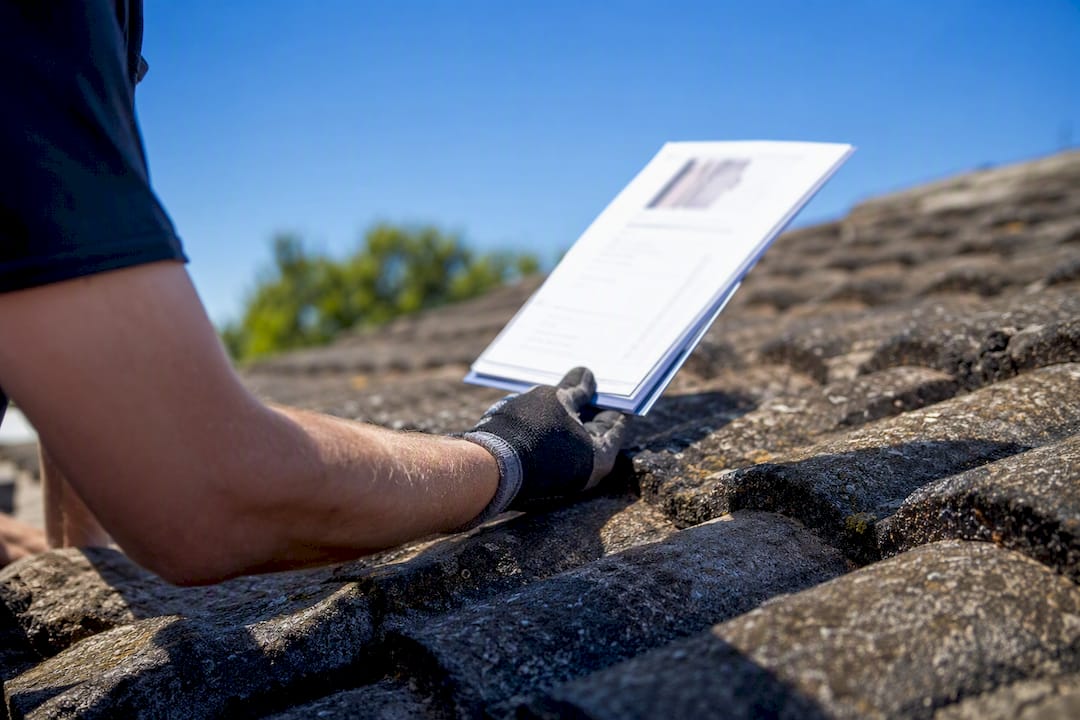
Under that rule, if damaged roof area exceeds 25% of a section, current code can require replacing that entire section rather than a patch repair, which insurers sometimes conveniently overlook.
Our reinspection checklist covers slope-by-slope photos, moisture readings at flashing points, and a written cause-of-loss opinion referencing the specific storm date. That level of detail is what turns a homeowner’s word against an adjuster’s into a documented dispute.
— Anthony
How Hytz Roofing Supports Your Appeal
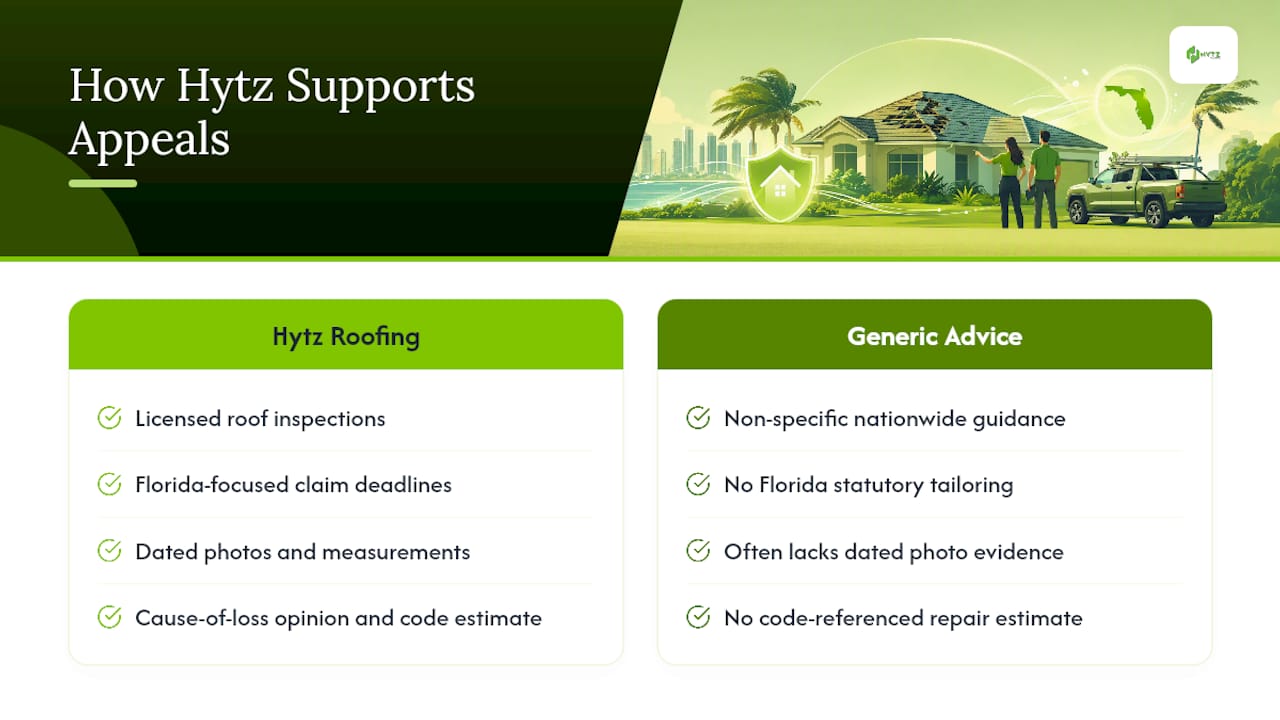
Hytzroofing gives Tampa Bay homeowners something a denial letter alone never does: a documented, code-referenced case to push back with. We handle licensed roof inspections, storm damage repair, and insurance-claim assistance built specifically around Florida’s statutory deadlines, not generic nationwide claim advice.
Our inspection reports include dated photos, measurements, a cause-of-loss opinion, and a code-compliant repair or replacement estimate you can hand directly to an adjuster, a public adjuster, or an appraiser. If your denial was based on a rushed desk review, that level of documentation is often the difference between a second denial and a reversed one.
If your roof claim was denied and you need documentation that actually holds up, request a free inspection and claim review from Hytzroofing today.
Where to Verify Deadlines and File Complaints
Confirm any statutory deadline directly with Florida DFS before assuming your window has closed. Pull official storm landfall and wind-speed data from NOAA’s National Hurricane Center to support your cause-of-loss argument. For damaged-area measurement, drone mapping services provide the orthomosaic imagery insurers respect in a supplement or appraisal filing.
- File a complaint or request mediation through Florida DFS
- Verify storm dates and wind speeds through NOAA’s National Hurricane Center
- Use drone orthomosaic mapping to document damaged-area percentage
This article is general information, not a substitute for advice from a qualified lawyer. Consult a qualified legal professional about your own circumstances before acting on anything here.
Sources
- Why Your Roof Damage Claim Was Denied? — Ilabaca Law
- Florida statutes on insurer response times — OceanPoint Claims
- Florida roof insurance claim — Roofing Claim Guide
FAQ
What happens if my roof claim is denied?
You can appeal in writing with new evidence, request a supplement or appraisal for valuation disputes, file a complaint with Florida DFS, or send a pre-suit notice under §627.70152 before litigation.
What is the 25% roof rule in Florida?
Under the Florida Building Code, if damaged roof area on a section exceeds 25% of that section, code can require replacing the entire section rather than a partial repair.
What should I avoid saying to a roof insurance adjuster?
Stick to the date of loss and the storm event; avoid speculating about your roof’s age or prior condition, since insurers often use homeowner guesses about pre-existing wear against the claim.
What is the new law in Florida about roofs?
Recent reforms, including SB 2-A and SB 4-D, shortened several statutory deadlines and changed pre-suit and attorney-fee rules, meaning carriers now issue decisions faster and homeowners have less time to respond.
Can Hytzroofing help after my claim was denied?
Yes. Hytzroofing provides licensed inspection reports, storm damage documentation, and insurance-claim assistance built around Florida’s statutory framework to support your appeal or appraisal.