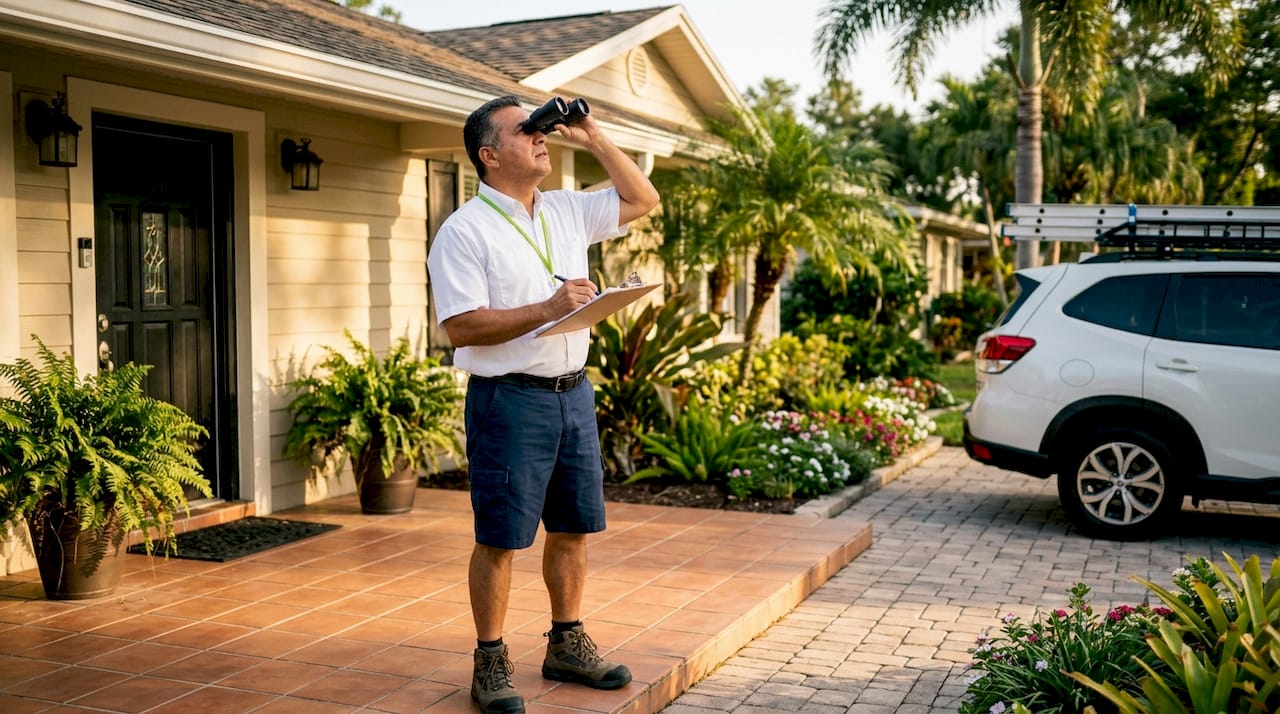
Why Insurance Companies Inspect Roofs: A Florida Guide
Insurance Roof Inspections outline what insurers look for during Florida roof assessments and how findings may influence coverage and claims.
Insurance companies inspect roofs to assess risk before agreeing to cover a property. Your roof is the single largest barrier between your home’s interior and Florida’s storms, and insurers treat it as their primary indicator of future claims exposure. Understanding why insurance companies inspect roofs, what assessors look for, and how results shape your coverage gives you real leverage during renewals and claims. This guide breaks down the full roof inspection process so you can walk into any insurer conversation prepared.
Why do insurance companies inspect roofs?
An insurance roof assessment is a formal risk evaluation, not a maintenance check. Insurers focus on risk potential, not aesthetics. A weathered but functional roof may pass, while hidden attic ventilation problems or deteriorating flashing can trigger a coverage review.
The core reason insurers inspect is financial exposure. Roofs in poor condition are leading indicators of interior water damage, mold growth, and structural failure. All three generate expensive claims. By identifying roof conditions early, insurers can price coverage accurately, require repairs before renewing a policy, or decline coverage altogether.
Florida amplifies every one of these concerns. Hurricane season runs from june through november, and the state’s humidity accelerates shingle granule loss, moss growth, and wood rot faster than most other climates. Insurers operating in Florida carry higher baseline risk, which is exactly why roof inspections here are more frequent and more thorough than in most other states.
What typically triggers an insurance company to inspect your roof?
Several specific events prompt insurers to order a roof inspection. Knowing these triggers helps you stay ahead of the process.
- Age thresholds. Insurers set internal age limits at 15, 20, or 25 years. Once your roof crosses those thresholds, an inspection is often automatic.
- New policy or carrier change. Switching insurers almost always triggers an inspection. The new carrier needs to establish a condition baseline before accepting liability.
- Storm events. After a major hurricane or regional catastrophic loss season, carriers conduct portfolio-wide audits. Your roof may be flagged even if you did not file a claim.
- Claims history. Multiple prior claims increase the likelihood of a follow-up inspection. Insurers look for patterns that suggest ongoing maintenance problems.
- Aerial and satellite imagery. Carriers use algorithms analyzing drone and satellite data to flag roofs for inspection without the homeowner knowing. You may receive an inspection notice without any triggering event on your end.
- Contractor or neighbor reports. Public records, permit filings, and even reports from neighboring properties can prompt a carrier to take a closer look.
Pro Tip: If you recently replaced your roof, submit the permit, contractor invoice, and manufacturer warranty to your insurer immediately. Proactive documentation can prevent an automatic inspection trigger and may qualify you for a premium reduction.
The age trigger catches many Florida homeowners off guard. A roof installed in 2003 is now over 20 years old. Even if it looks fine from the street, your insurer may already have it flagged for review.
What do insurance roof inspections actually check?
The roof inspection process follows a structured protocol. Inspections cover a 21-point checklist that spans the exterior roof surface, connective systems like gutters and flashing, and interior attic spaces. Homeowners typically receive a detailed 3–4 page written report within 1–2 business days.
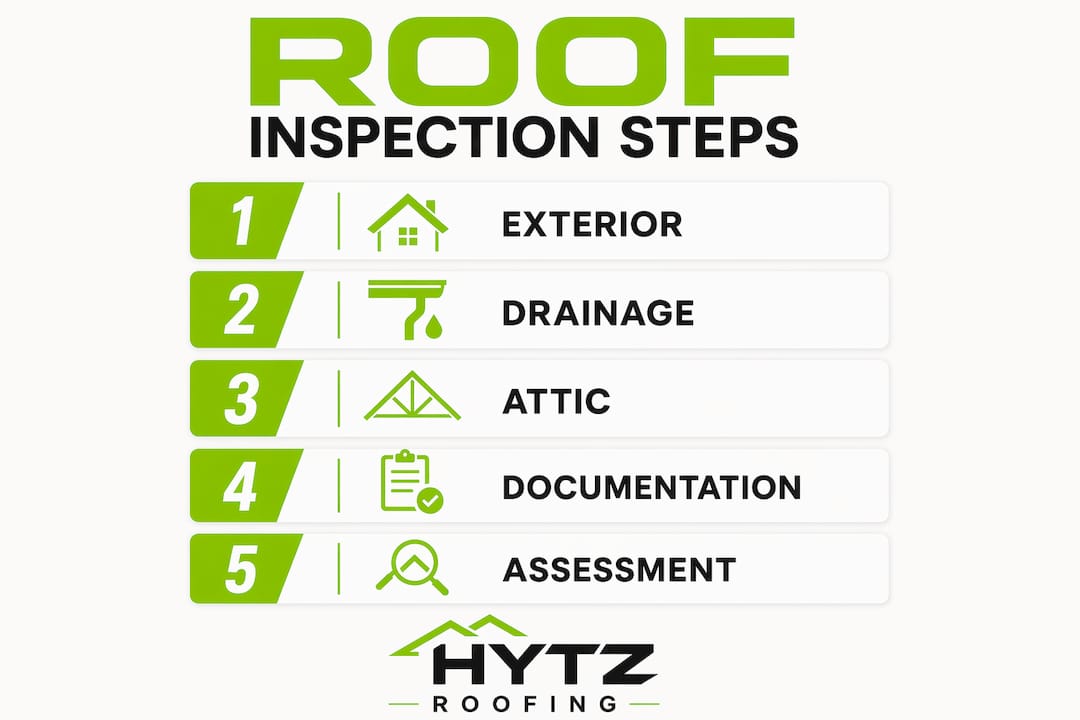
Exterior roof surface
Inspectors examine shingles for curling, cracking, and granule loss. Missing shingles are an immediate red flag. Flashing around chimneys, vents, and skylights gets close attention because failed flashing is one of the most common entry points for water. Inspectors also note moss, algae, and debris accumulation, which signal poor drainage and accelerated material breakdown.
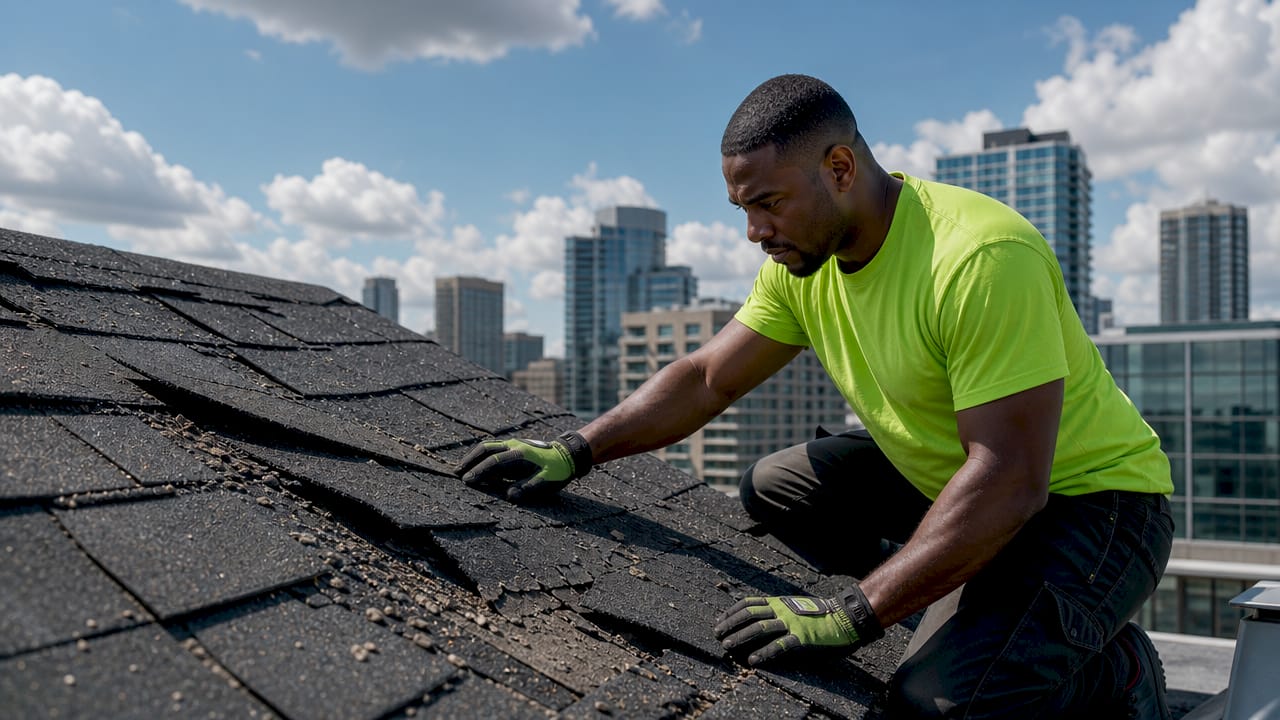
Connective systems and drainage
Gutters, downspouts, and drip edges are part of the evaluation. Clogged or sagging gutters indicate deferred maintenance. Inspectors check that water drains away from the structure rather than pooling near the foundation or fascia.
Interior attic inspection
Attic checks reveal what the exterior cannot. Inspectors look for water stains, daylight penetration through the roof deck, and signs of mold or rot. Ventilation adequacy is also assessed. Poor attic ventilation accelerates shingle deterioration from the inside out, which is a condition that does not show up on a drive-by inspection.
A typical inspection lasts 15–45 minutes for exterior work, with interior attic checks extending that time. Inspectors may use drones for steep or high roofs. The resulting report includes photos and detailed notes that go directly to the underwriting department.
| Inspection area | What inspectors look for | Why it matters |
|---|---|---|
| Shingles and surface | Granule loss, curling, cracking, missing sections | Predicts near-term leak risk |
| Flashing | Gaps, rust, improper sealing around penetrations | Primary water entry point |
| Gutters and drainage | Clogs, sagging, improper slope | Indicates maintenance habits |
| Attic and ventilation | Stains, mold, daylight gaps, airflow | Reveals hidden structural damage |
| Roof age and material | Installation date, material type, remaining lifespan | Sets coverage eligibility baseline |
Why do roof inspections matter for coverage and claims?
The importance of roof inspections goes well beyond a pass-or-fail result. Inspection findings directly influence underwriting decisions including coverage terms, premium levels, and policy continuation. A roof in poor condition can result in a required repair list, a coverage reduction, or a non-renewal notice.
For claims, timing is everything. Documentation within 72 hours after a major storm is critical to establishing that damage is storm-related rather than pre-existing. Missing that window gives insurers grounds to deny or delay payment.
Insurers do not expect a perfect roof. They use inspections to objectively assess the likelihood of roof failure before the next policy renewal. A weathered but well-maintained roof often passes. A neglected roof with multiple patch layers and moss growth rarely does.
Pre-existing conditions discovered during a post-claim inspection create a separate problem. Inspections following claims can trigger underwriting reviews if the roof shows damage that predates the storm. That finding can affect your future eligibility and coverage terms, not just the current claim.
Routine maintenance is your best defense. The NRCA recommends biannual inspections once a roof passes 75% of its expected lifespan. Following that guidance creates a documented maintenance record that supports your position during both underwriting reviews and claims disputes.
Understanding construction insurance safety requirements also helps property managers see how risk documentation standards apply across the building industry, not just residential roofing.
How can Florida homeowners prepare for an insurance roof inspection?
Preparation is the difference between a smooth inspection and a coverage problem. These steps put you in the strongest possible position.
- Schedule a professional inspection before your insurer does. Most major roofing expenses trace back to small issues that a yearly professional inspection would have caught. Getting ahead of the insurer’s timeline gives you time to make repairs before the official assessment.
- Hire a licensed contractor, not a handyman. Insurance-grade documentation requires a licensed professional. A formal written report with photos carries weight with underwriters. A verbal assessment does not.
- Clear debris and clean gutters before the inspection. Moss, debris, and clogged gutters signal neglect. Cleaning them before the inspector arrives removes easy red flags.
- Avoid multiple patch layers. Repeated patching without full replacement tells inspectors the roof has chronic problems. If your roof has more than two layers of material, ask a contractor whether a full replacement makes more financial sense before the inspection.
- Cooperate fully with the inspector. Provide attic access without hesitation. Inspectors who cannot complete a full assessment may note that in their report, which raises questions.
- Use the report strategically. A clean inspection report is a negotiating tool. Bring it to your insurer during renewal discussions or when shopping for a new carrier.
Pro Tip: If the inspection reveals issues, get repair estimates from a licensed Florida contractor before responding to your insurer. Knowing the actual cost of repairs lets you negotiate from a position of knowledge rather than react under pressure.
Florida homeowners dealing with storm damage also need to understand permit requirements for roof repairs before starting any work. Unpermitted repairs can void your coverage and complicate future inspections.
Key Takeaways
Insurance companies inspect roofs to quantify risk, and the condition of your roof directly determines your coverage terms, premium, and claims eligibility.
| Point | Details |
|---|---|
| Inspections are risk assessments | Insurers evaluate roof failure likelihood, not cosmetic appearance. |
| Age is the most common trigger | Roofs over 15–25 years old are automatically flagged by most carriers. |
| 72-hour storm documentation matters | Professional inspection within 72 hours of a storm protects your claim. |
| Maintenance records help you | A documented repair history supports your position during underwriting reviews. |
| Proactive inspections save money | Catching small issues early prevents the costly repairs that trigger coverage problems. |
What I’ve learned after years of watching homeowners get caught off guard
Homeowners consistently underestimate how much the insurer’s inspection is about their own financial exposure, not yours. The inspector is not there to help you. That is not a criticism. It is just the reality of how the process works, and understanding it changes how you prepare.
The homeowners who come out ahead are the ones who treat their roof like a financial asset. They schedule annual inspections, keep records, and fix small problems before they become visible to a satellite camera or a claims adjuster. The ones who struggle are the ones who assume a roof that does not leak is a roof in good shape. Those are two very different things.
Florida’s climate makes this more urgent than anywhere else in the country. I have seen roofs that looked acceptable from the street but had significant attic moisture damage from years of poor ventilation. That kind of hidden deterioration is exactly what insurers find, and it is exactly what leads to non-renewals. Regular maintenance is not optional here. It is the baseline.
One more thing: if your insurer orders an inspection and you know your roof has issues, do not wait for the report. Get a licensed contractor out there first. Document what you find. Start repairs if you can. Walking into an insurer conversation with a repair plan already in motion is a completely different situation than receiving a non-renewal notice and scrambling to respond.
— Anthony
Hytzroofing is ready to help Florida homeowners stay inspection-ready
Your roof’s condition determines your coverage. Hytzroofing brings the credentials Florida homeowners need when it counts most.
Hytzroofing holds the GAF Master Elite® Contractor designation, earned by fewer than 2% of roofing contractors in North America. Every inspection we conduct produces insurance-grade documentation with photos and written reports that hold up under underwriting review. Whether you need a pre-inspection assessment, storm damage documentation, or a full roof evaluation before your next renewal, our team is ready. We are BBB Accredited with an A+ rating and licensed under Florida Contractor License #CCC1332551. Contact Hytzroofing today and get the documentation your insurer expects.
FAQ
Why do insurance companies inspect roofs before issuing a policy?
Insurers inspect roofs to establish a condition baseline before accepting coverage liability. A roof in poor condition represents a high probability of near-term claims, which affects whether coverage is offered and at what premium.
How long does an insurance roof inspection take?
A standard insurance roof inspection lasts 15–45 minutes for exterior work, with interior attic checks extending the total time. Homeowners typically receive a written report within 1–2 business days.
Can an insurance company cancel my policy based on a roof inspection?
Yes. If an inspection reveals significant deterioration or pre-existing damage, an insurer can require repairs, reduce coverage, or issue a non-renewal notice. Addressing identified issues promptly is the most effective response.
What happens if I miss the 72-hour window after a storm?
Failing to document storm damage within 72 hours gives insurers grounds to classify damage as pre-existing rather than storm-related. That distinction can lead to a denied or significantly reduced claim payout.
Do I need a professional inspection or can I inspect my own roof?
A licensed professional inspection produces the written documentation and photos that insurers require. A self-assessment carries no weight with underwriters and does not create the maintenance record that protects you during claims disputes.
Recommended
- Weathering the Storm Expert Tips for Roof Leak Repair in Tampa Fl
- GAF Master Elite Roofer in Tampa, FL | Hytz Roofing
- Introducing Enviroshake to Your Hoa
- Types of Roof Repairs Florida Homeowners Need Most
Related Hytz Roofing Services