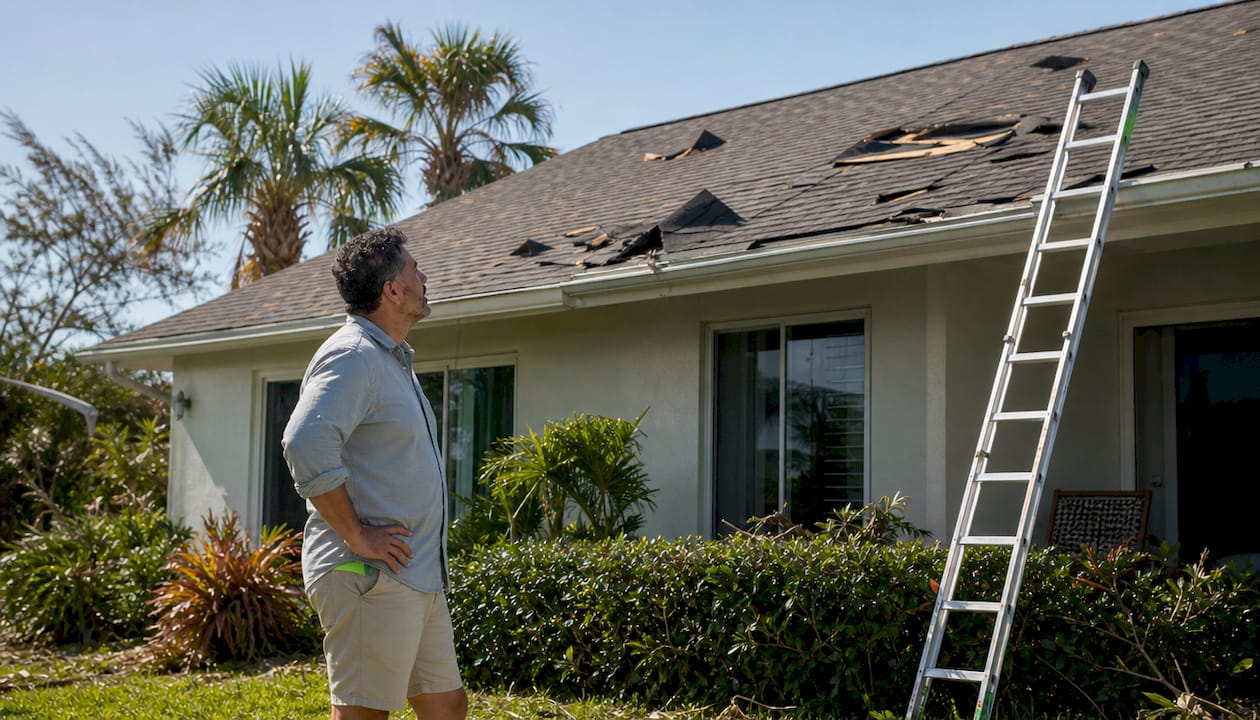
Types of Storm Roof Damage in Florida: A Homeowner’s Guide
Storm Roof Damage Florida can include shingle loss, punctures, and granule erosion; this guide explains common signs and next steps.
Last updated: August 8, 2026
Roof damage from storms is the leading cause of property insurance claims in Florida, driven by wind, hail, hurricanes, and flying debris. The types of storm roof damage Florida homeowners face fall into four main categories: wind damage, hail damage, water intrusion, and impact damage from debris. Each type looks different, carries different insurance implications, and requires a different repair approach. Knowing how to identify each one puts you ahead of the claim process and helps you avoid costly mistakes.
1. Types of storm roof damage Florida homeowners face most
Florida sits in one of the most storm-active regions in the United States. The Atlantic hurricane season runs from june through november, and even tropical storms well below hurricane strength can strip shingles, crack tiles, and open gaps that let water pour in. The state’s flat terrain and coastal exposure make roofs especially vulnerable to sustained high winds and sudden pressure changes.
Florida law mandates windstorm coverage for most homeowners unless they explicitly opt out. That coverage matters because storm damage here is not a rare event. It is a recurring cost of living in the Sunshine State, and your roof is the first line of defense every single season.
2. Wind damage: the most common threat
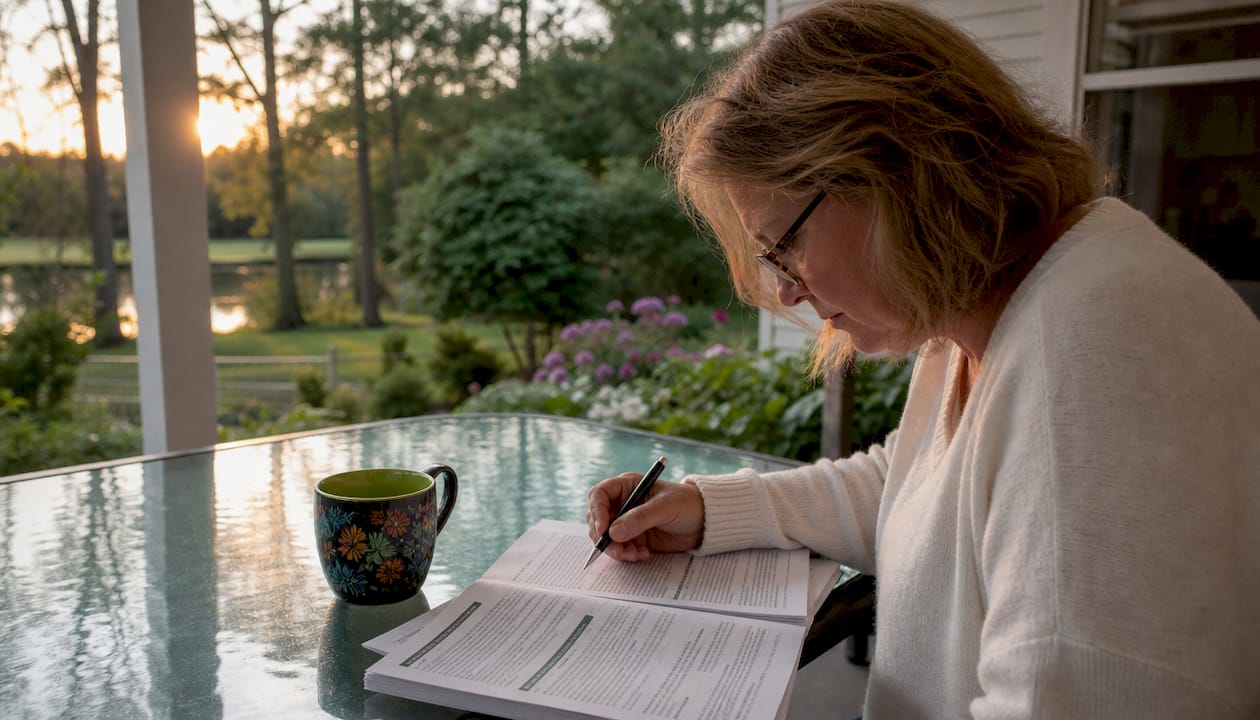
Wind damage is the most frequent type of storm-related roof damage in Florida. High winds cause shingle loss, roof lifting, and structural stress that creates entry points for water. Once wind peels back even one shingle, rain can reach the decking within minutes.
Signs of wind damage to look for:
- Missing or displaced shingles or tiles
- Curled, lifted, or buckled shingle edges
- Exposed roof decking or underlayment
- Damaged or separated ridge caps
- Bent or torn flashing around chimneys and vents
Roof geometry matters here. Hip roofs, which slope on all four sides, resist wind better than gable roofs and can qualify for insurance premium discounts under Florida’s wind mitigation program. If your home has reinforced hurricane clips connecting the roof to the wall framing, that also reduces both wind risk and your premium.
Pro Tip: Take date-stamped photos of every area of visible wind damage before any repairs begin. Insurers sometimes deny claims by attributing lifted shingles to pre-existing wear, and your photos are the clearest rebuttal.
3. Hail damage and what it does to your roof
Hail damage is less visible than wind damage but just as destructive over time. Hailstones crack, chip, and bruise shingles and tiles, breaking down the granule layer that protects asphalt from UV exposure and moisture. Once that layer is gone, the shingle degrades rapidly.
Common signs of hail damage include:
- Round dents or dark spots on asphalt shingles (bruising)
- Cracked or chipped clay or concrete tiles
- Dented metal flashing or gutters
- Granule buildup in gutters and downspouts after a storm
- Exposed black substrate visible on shingle surfaces
The severity of hail damage depends on hail size and roof material. A one-inch hailstone may leave only cosmetic marks on a newer architectural shingle but can crack an older three-tab shingle outright. Clay tiles, common in South Florida, tend to crack cleanly rather than bruise, making damage easier to spot but more expensive to repair.
Pro Tip: Photograph your gutters and downspouts after a hailstorm. Excessive granule buildup is one of the clearest indicators of shingle surface damage, and it photographs well for insurance documentation.
4. Water intrusion through storm-created openings
Water intrusion is the damage type that keeps growing long after the storm passes. When wind or debris creates an opening in your roof, rain enters and spreads through insulation, framing, and drywall. Left unaddressed for even a few days, it creates mold conditions that multiply repair costs.
Signs of water intrusion inside your home:
- Water stains on ceilings or upper walls
- Wet or compressed attic insulation
- Dripping or pooling water in the attic after rain
- Musty odor in upper rooms or attic spaces
- Peeling paint or bubbling drywall near the roofline
Florida standard homeowners insurance covers wind-driven rain damage only when wind first creates a structural opening. If water enters through a pre-existing gap or a poorly maintained seal, the claim is typically denied. Flood damage, meaning water that rises from the ground, requires a separate flood insurance policy entirely. Many homeowners discover this distinction too late.
A common pitfall: insurers apply anti-concurrent causation clauses to deny claims where wind and flood damage occur together. If your home sustains both, document each damage type separately with photos and written descriptions to give your adjuster a clear record.
5. Impact damage from storm debris
Falling branches, airborne roof tiles, and other storm debris cause puncture damage that is easy to miss from the ground. A branch that lands on your roof may leave a visible dent or crack, but smaller debris can fracture underlayment without breaking the surface tile or shingle above it.
Watch for these signs of debris impact:
- Visible punctures, cracks, or dents in roofing material
- Damaged or displaced flashing around pipes and skylights
- Cracked or broken fascia boards along the roofline
- Debris sitting on the roof surface after the storm
Impact damage creates direct leak pathways. A punctured area lets water reach the decking immediately, and if the decking is already aged or soft, the damage spreads fast. Emergency tarping stops that spread and is reimbursable under most Florida homeowners policies, with typical costs running $500–$2,000 depending on roof size and access.
Pro Tip: Do not wait for a visible interior leak before calling for emergency mitigation. Tarping a punctured area within 24–48 hours of a storm can prevent thousands of dollars in secondary water damage, and your insurer expects you to take reasonable steps to limit further loss.
6. How to assess storm roof damage safely
Safety comes first after any storm. Never climb onto your roof after a storm event. Wet shingles are slick, weakened decking can give way without warning, and downed power lines may be near or on the structure. Use binoculars from the ground or, if you have access, a drone to get a closer look.
Follow these steps after hurricane roof damage or any major storm:
- Inspect from the ground using binoculars to spot missing shingles, debris, or visible openings.
- Check your attic for wet insulation, dripping water, or daylight visible through the decking.
- Document everything with date-stamped photos and video before any cleanup or repairs.
- Notify your insurance company within 72 hours of the storm. Most policies require prompt notification.
- Arrange emergency tarping if any opening is visible. Save all receipts for reimbursement.
- Schedule a professional roof inspection before accepting any insurance settlement.
One important financial detail: actual cash value (ACV) policies depreciate your payout based on roof age. A roof older than 10–15 years may receive only a fraction of full replacement cost under an ACV endorsement. Knowing your policy type before storm season is far better than discovering it during a claim.
| Damage type | Typical signs | Insurance note |
|---|---|---|
| Wind damage | Missing shingles, lifted edges, exposed decking | Covered if wind-caused; document pre-storm condition |
| Hail damage | Bruised shingles, cracked tiles, granule loss | Covered; hail size and roof age affect payout |
| Water intrusion | Ceiling stains, wet insulation, attic dripping | Covered only if wind created the opening |
| Impact damage | Punctures, cracked flashing, dented fascia | Covered; emergency mitigation required promptly |
Insurance adjusters frequently deny windstorm claims by attributing damage to wear and tear or pre-existing conditions. Roofs older than 15–20 years face the most scrutiny. Keeping maintenance records, including past repair invoices and inspection reports, gives you solid ground to push back on a denial.
Key takeaways
Florida roof storm damage falls into four types, and identifying each one correctly is the fastest path to a successful insurance claim and a lasting repair.
| Point | Details |
|---|---|
| Wind damage is most common | Look for missing shingles, lifted edges, and exposed decking after every storm. |
| Hail damage hides in plain sight | Check gutters for granule buildup and tiles for cracks after any hailstorm. |
| Water intrusion follows wind openings | Standard policies cover wind-driven rain only when wind first creates a breach. |
| Act within 72 hours | Notify your insurer and arrange emergency tarping promptly to protect your claim. |
| Know your policy type | ACV policies depreciate older roofs significantly; replacement cost coverage pays more. |
What I’ve learned watching Florida homeowners handle storm claims
Florida homeowners consistently underestimate how fast storm damage compounds. A small wind-lifted shingle edge that looks minor from the ground can let in enough water over two rainstorms to rot the decking beneath it. By the time the ceiling stain appears inside, the repair bill has tripled.
The biggest mistake I see is waiting. Homeowners wait to call their insurer because they are not sure the damage is “bad enough.” They wait to schedule an inspection because they want to see if it leaks first. That waiting period is exactly what insurers use to argue the damage was pre-existing or that the homeowner failed to mitigate. Both arguments can kill a claim.
Document everything before you touch anything. That means photos of the roof surface, the gutters, the attic, and the interior ceiling, all with timestamps. If you have a roof leak repair situation developing, get a licensed contractor on site to assess it before you accept any settlement figure from your insurer. Adjusters work for the insurance company. A licensed roofer works for your roof.
One more thing: use Florida’s storm season as a trigger for a pre-season inspection every year. Catching a cracked tile or failing flashing in april costs a fraction of what it costs after a hurricane has turned that small defect into a major water intrusion claim.
— Anthony
Hytzroofing is ready when your roof needs help
After a storm, the last thing you need is uncertainty about your roof’s condition. Hytzroofing holds the GAF Master Elite® Contractor designation, earned by fewer than 2% of roofing contractors in North America, and backs every inspection with Florida Contractor License #CCC1332551, full liability insurance, and workers’ compensation coverage.
Whether you need emergency tarping to stop further damage, a professional post-storm inspection to document your claim, or a full storm damage repair estimate, Hytzroofing is ready to help. We also support homeowners through the insurance claim process, from documentation to adjuster coordination. Contact Hytzroofing today for a fast, reliable assessment and get your home protected before the next storm hits.
FAQ
What are the main types of storm roof damage in Florida?
The four main types are wind damage, hail damage, water intrusion, and impact damage from debris. Each requires a different inspection approach and carries different insurance coverage rules.
How soon should I notify my insurer after storm roof damage?
Notify your insurance company within 72 hours of the storm. Most Florida policies require prompt notification, and delays can give insurers grounds to reduce or deny your claim.
Does Florida homeowners insurance cover water damage from storms?
Standard policies cover wind-driven rain only when wind first creates a structural opening in the roof. Flood damage from rising water requires a separate flood insurance policy.
Is emergency roof tarping covered by insurance?
Most Florida homeowners policies reimburse tarping costs as a reasonable mitigation expense, typically in the $500–$2,000 range. Save all receipts and document the damage before tarping begins.
How do I prepare my roof before Florida storm season?
Schedule a professional inspection each spring to catch cracked tiles, failing flashing, and worn sealants before storm season begins. A hurricane season prep inspection is the most cost-effective step a Florida homeowner can take.
Recommended
- Weathering the Storm Expert Tips for Roof Leak Repair in Tampa Fl
- Tampa Roofer | GAF Master Elite | Hytz Roofing
- GAF Master Elite Roofer in Tampa, FL | Hytz Roofing
- Types of Roof Repairs Florida Homeowners Need Most
Ready to Work With a Trusted Tampa Roofer?
Hytz Roofing is a GAF Master Elite certified contractor serving Tampa Bay. Explore our services: