Tampa Bay Tile Roof: Plan Underlayment at 20–30 Years
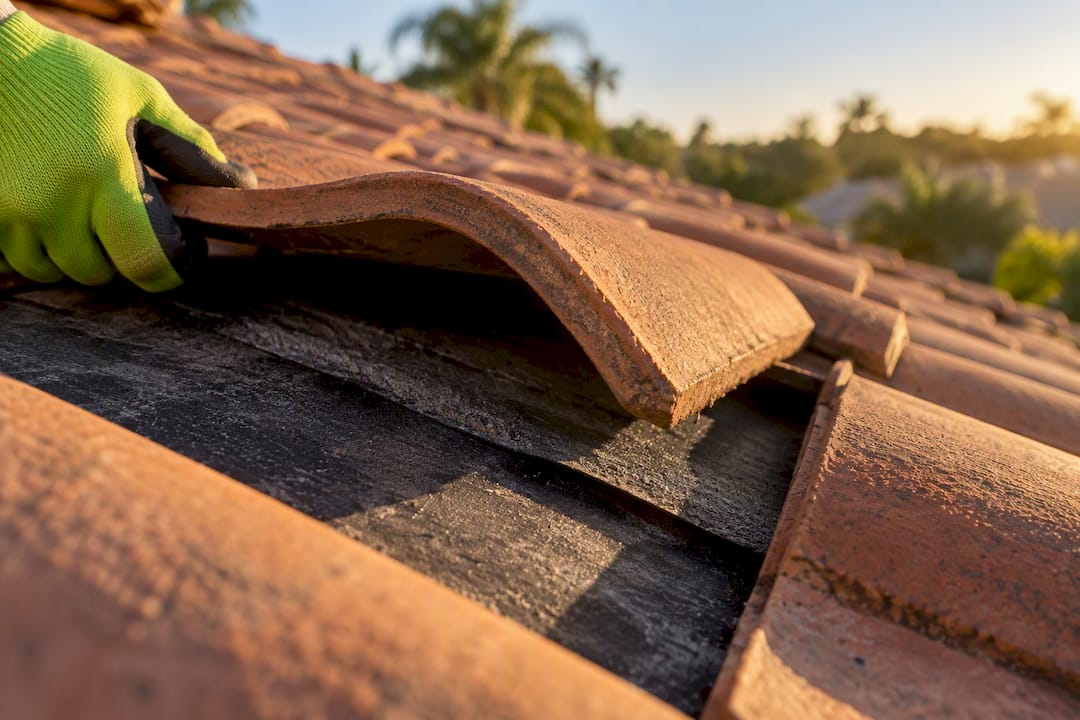
Keep a Florida tile roof healthy with one professional inspection every year (twice a year if you’re near the coast or under heavy tree cover), a soft-wash cleaning every few years, and gutters and valleys kept clear year round. Document everything with dated photos, budget for underlayment replacement around the 20 to 30 year mark, and hire only licensed, insured roofers for anything requiring roof access. Never pressure wash tile or walk on it casually, and always inspect before and after hurricane season.
TL;DR:
- Most tile roof inspections should be performed annually by licensed professionals, with extra visits advised for coastal or heavily shaded areas.
- Soft washing is the recommended cleaning method, as pressure washing damages tiles and can cause leaks by forcing water underneath.
- Homeowners can safely check for cracks, leaks, or debris from the ground, but any work involving valleys, flashing, or underlayment requires hiring a licensed contractor.
- The underlayment beneath tiles typically wears out in 20 to 30 years, even if tiles last 40 to 50 years, making re-lay projects a common mid-life maintenance step.
- Before hurricane season, clear valleys and gutters, trim overhanging branches, and document your roof with photos to facilitate insurance claims and proper repairs.
Table of Contents
- Tile Roof Maintenance Schedule Florida Homeowners Should Follow
- Why Soft Washing Beats Pressure Washing on Tile
- What You Can Check Yourself vs. What Needs a Pro
- The Underlayment Clock Nobody Talks About
- Getting Your Tile Roof Through Hurricane Season
- Small Jobs That Prevent Big Repairs
- A Local Contractor’s View on What Actually Fails First
- Schedule Tile Roof Care With a Licensed Tampa Bay Contractor
- Where This Guidance Comes From
- Sources
- FAQ
Tile Roof Maintenance Schedule Florida Homeowners Should Follow
You don’t need to climb onto your roof to catch most problems early. A pair of binoculars from the ground, used two or three times a year, will show you cracked tiles, sagging spots, and debris buildup long before they become leaks.
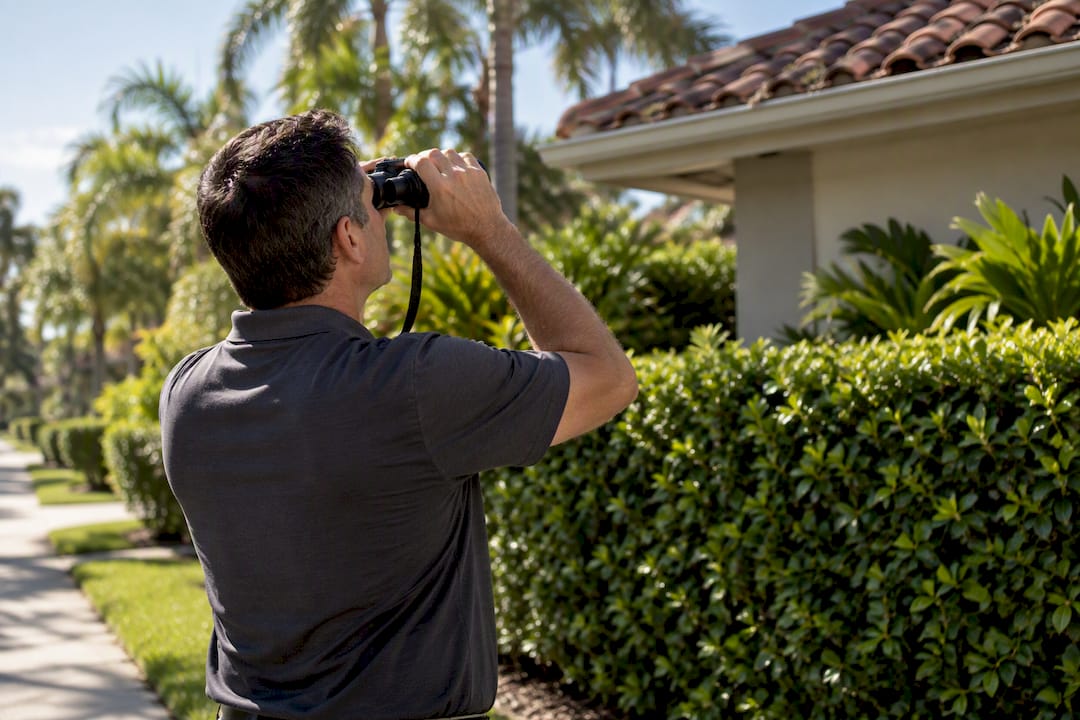
That said, ground checks are a supplement, not a substitute for a licensed inspection. Local Tampa Bay roofing guidance recommends one professional visit per year for most homes, and two per year if your roof sits under a heavy canopy or within a mile or two of the coast, where salt air accelerates wear on metal flashing and fasteners.
Here’s what a thorough inspection actually covers:
- Tile condition — cracked, slipped, or missing tiles, especially on the north and west slopes where debris tends to collect.
- Ridge and hip mortar — crumbling or hairline-cracked mortar lets wind get under the tiles during a storm.
- Valleys — the metal channels where two roof planes meet are the single most common spot for debris dams and slow leaks.
- Flashing and sealants — around chimneys, skylights, and vent pipes, where most tile roof leaks actually originate.
- Roof penetrations — plumbing vents, HVAC curbs, and satellite mounts, all common entry points for water.
- Attic interior — daylight gaps, water stains, or musty smells signal a leak that hasn’t shown up inside the house yet.
Time your checks around Florida’s calendar rather than a generic monthly routine. A quick check after any named storm, a comprehensive inspection in late fall once hurricane season winds down, and a pre-season tune-up before June 1 catches most issues before they become expensive. Photograph every inspection with a timestamp. Those photos become your evidence trail if you ever need to file an insurance claim.
Why Soft Washing Beats Pressure Washing on Tile
Pressure washing is the single fastest way to shorten the life of a Florida tile roof. Consumer pressure washers running at typical consumer pressure levels erode the tile’s protective glaze and can force water underneath the laps and into the underlayment below, according to Cathedral Roofing’s cleaning guidance. Once water gets under a tile that isn’t supposed to get wet from the top, you’re looking at a slow leak that might not show up inside your house for months.
Soft washing solves this by using low pressure combined with biodegradable cleaning solutions formulated to kill algae, moss, and lichen without stripping the tile surface. The TRI Alliance maintenance protocol confirms that biological growth builds up from accumulated dust and organic debris, not from a flaw in the tile itself, which is why treating the surface gently works just as well as blasting it.
How often you need a soft wash depends heavily on your specific lot:
- Roofs shaded by oak or ficus canopy often need cleaning every one to two years.
- North-facing planes that stay damp longer tend to grow algae faster than sun-exposed slopes.
- Coastal homes may need more frequent service due to salt-driven moisture retention.
- Sunny, unshaded roofs with little tree cover can often go closer to three years between cleanings.
A professional soft-wash job typically shows visible improvement within a day or two, though full algae die-off can take a couple of weeks. Ask your contractor to trim overhanging branches as a follow-up step and to photograph the finished roof, both for your records and for any future insurance conversation.
Pro Tip: Ask your cleaning contractor which chemical they use before they start. A reputable soft-wash company will name a specific biodegradable product and explain its dwell time, not just say “our special solution.”
What You Can Check Yourself vs. What Needs a Pro
Ground-level work is safe. Roof-level work on tile almost never is, since the material cracks under uneven weight in ways asphalt shingles don’t.
- Safe for homeowners: a binocular scan of the roofline from the yard, an attic check for daylight or water stains, and dated photo comparisons over time.
- Professional-only: valley cleaning, flashing resealing or replacement, mortar assessment at hips and ridges, and any under-tile inspection.
- Access matters: licensed technicians use walk boards and foam pads, and they step only on the supported tail and head areas of a tile, a technique most homeowners have never heard of and shouldn’t attempt without training.
- Call a pro immediately if you see: multiple active leaks, exposed underlayment, loose ridge tiles, or noticeable tile displacement after a storm.
The TRI Alliance protocol is direct on this point: casual walking on tile roofs is one of the leading causes of preventable cracking, and repair work should go to a licensed contractor rather than a weekend do-it-yourself project.
The Underlayment Clock Nobody Talks About
Here’s the part that surprises most Florida homeowners: your tiles can outlive the underlayment beneath them by decades. Concrete and clay tile are famous for 40 to 50 year lifespans, but the underlayment doing the actual waterproofing underneath typically wears out in 20 to 30 years, according to Mike McGilvary Roofing’s Florida maintenance guide.
Watch for these signs that a re-lay is coming due:
- Leaks that show up in different rooms over time rather than the same spot repeatedly.
- Attic staining that persists even after a specific tile repair.
- A professional inspector flagging brittle or cracked underlayment during a routine visit.
A re-lay means removing the existing tiles, installing new underlayment to current Florida Building Code standards, then reinstalling the same tiles (assuming they’re undamaged). It’s a significant project, and while exact pricing depends on roof size and tile type, the Hytzroofing cost guide is a useful starting point for budgeting conversations with a contractor. Treat this as a planning figure to discuss with a licensed roofer, not a number to lock in without an on-site quote.
Getting Your Tile Roof Through Hurricane Season
Preparation before June 1 matters more than anything you do during an active storm.
- Clear valleys and gutters completely so rain has nowhere to back up under the tiles.
- Trim any branches overhanging the roofline, since falling limbs are a leading cause of storm-related tile damage.
- Secure or repair any loose ridge tiles a pro flagged during your spring inspection.
- Take dated photos of your entire roofline before storm season starts.
- Schedule non-urgent repairs early. Contractors book up fast once a storm is in the forecast.
After a storm passes, run the binocular perimeter check again, photograph anything new, and check your attic for fresh daylight or dampness. Call a licensed contractor for tarping and repairs rather than attempting anything on the roof yourself. Dated photo records not only speed up insurance claims, they also help prevent coverage disputes during your next policy renewal.
Small Jobs That Prevent Big Repairs
Valleys and gutters concentrate every drop of water that hits your roof, which makes them the cheapest place to prevent expensive damage. Local roofing data consistently points to clogged valleys as a top cause of water backing up under tiles and saturating the underlayment.
- Clear debris from the eave using a ladder and leaf blower rather than walking the roof plane.
- Leave intricate valley work, where tiles overlap tightly, to a professional.
- Reseal flashing around chimneys and vents roughly every three to five years, or sooner if you spot rust streaks or gaps.
- Re-bed loose ridge and hip mortar as soon as it’s flagged. Delaying this is one of the fastest routes to a wind-related failure during a storm.
Pro Tip: If your gutters overflow during a moderate rain rather than a downpour, that’s usually a valley or downspout blockage, not a gutter sizing problem. Check the valleys first.
A Local Contractor’s View on What Actually Fails First
In Tampa Bay inspections, the same patterns show up again and again: valley debris from ficus and palm trees, algae streaking on north-facing slopes, and crumbling mortar on roofs past 15 years old. As a Florida-licensed contractor (#CCC1332551) and GAF Master Elite roofer, our team sees these issues repeat across nearly identical homes just blocks apart. Before hiring anyone for roof work, ask for proof of license and insurance, ask how they access tile without cracking it, and insist on a photo report.
— Anthony
Schedule Tile Roof Care With a Licensed Tampa Bay Contractor
Hytzroofing is the local alternative to piecing together a handyman for cleaning and a separate contractor for repairs. As a GAF Master Elite contractor, a distinction earned by fewer than 2% of roofing contractors in North America, our team handles the full maintenance cycle: tile roof inspections, soft-wash cleaning, individual tile replacement, flashing repair, and underlayment re-lays, all under Florida Contractor License #CCC1332551.
Every inspection comes with a documented, itemized photo report, the same kind of paper trail that speeds up insurance conversations after a storm rather than slowing them down. If you’re planning a bigger project, the tile roofing services page breaks down what a full replacement or re-lay involves, and if a recent storm left damage behind, storm damage repair is available with direct insurance claim assistance. Schedule an inspection now and get a written, itemized estimate before hurricane season catches you off guard.
Where This Guidance Comes From
- TRI Alliance Tile Roof Maintenance Protocol, the manufacturer-aligned industry standard for inspection and cleaning.
- Local Tampa Bay roofing guides covering lifespan, cleaning cadence, and underlayment timing.
Keep this guidance alongside your manufacturer warranty and roof inspection records for future reference.
Sources
- How to get 40 years out of a Florida tile roof — USA Roofing & Construction Inc.
- Tile roof maintenance schedule Florida — Mike McGilvary Roofing, Inc.
- How to clean a tile roof in Florida and maximize its lifespan | Cathedral Roofing
- Safe roof cleaning methods for tile roofs: a Florida homeowner’s guide — PBC Pressure Cleaning
FAQ
How Often Should a Tile Roof Be Cleaned in Florida?
Most Florida tile roofs need a professional soft-wash cleaning every one to three years, depending on tree canopy, coastal exposure, and how much north-facing roof area stays shaded. Roofs under heavy canopy or near saltwater often need cleaning closer to the one-year mark, while sunny, exposed roofs can stretch toward three years, per local cleaning specialists.
What Is the Average Life of a Tile Roof in Florida?
Concrete and clay tiles themselves commonly last several decades in Florida, but the underlayment beneath them typically needs replacement after a couple of decades, according to Mike McGilvary Roofing. That gap is why a mid-life underlayment re-lay is a normal part of tile roof maintenance in Florida, not a sign something went wrong.
What Is the 15-Year Roof Rule in Florida?
Some coastal Florida communities and insurers require a roof inspection or certification once a roof passes the 15-year mark, since that’s when insurers start scrutinizing wear more closely for renewal and coverage decisions. Rules vary by insurer and municipality, so confirm requirements with your specific insurance carrier or local building department rather than assuming a statewide standard.
How Do I Clean My Tile Roof in Florida?
Hire a licensed contractor who uses soft-wash methods: low pressure combined with a biodegradable cleaning solution formulated for algae, moss, and lichen removal. Avoid consumer pressure washers entirely, since research on tile durability shows high PSI settings erode tile glaze and can force water beneath the laps.
Can Hytzroofing Handle Both Cleaning and Repairs on the Same Visit?
Yes. Hytzroofing performs tile roof inspections, soft-wash cleaning, individual tile replacement, and flashing repair as part of the same service relationship, all backed by Florida Contractor License #CCC1332551. Current pricing for specific repair work is available directly through the Hytzroofing tile roofing page.