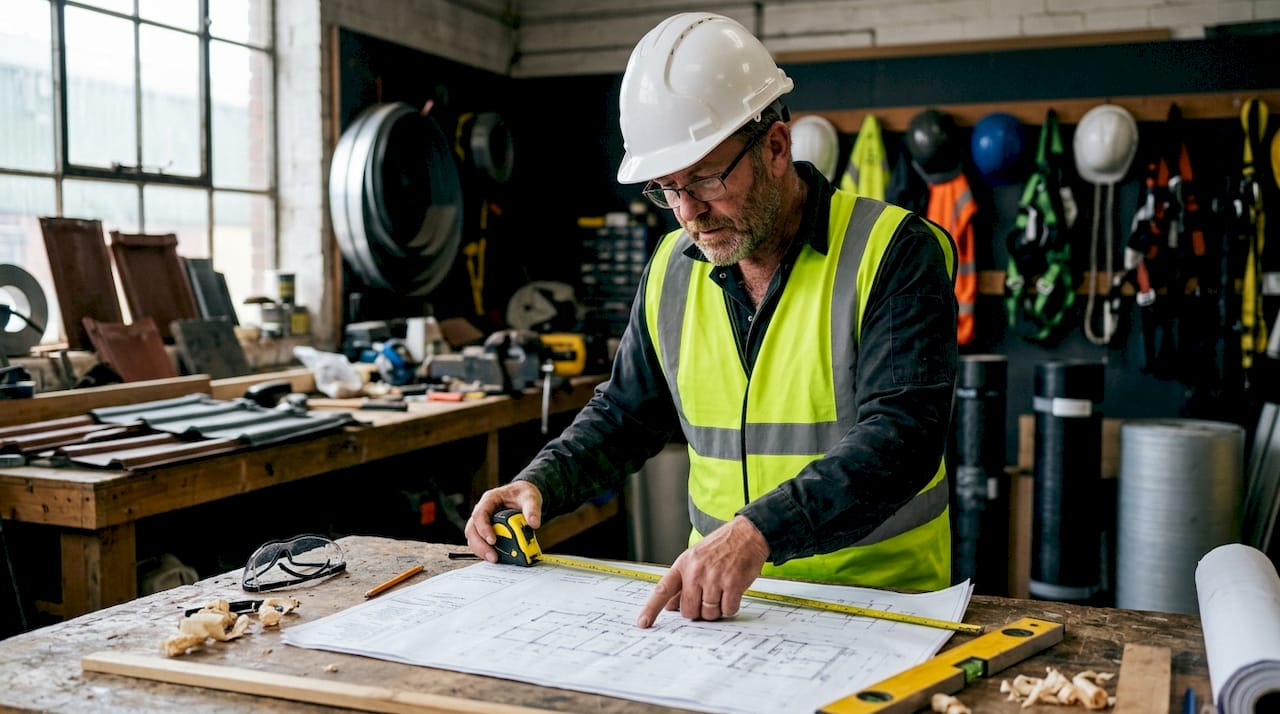
The Role of Roofing in Building Envelope Performance
Roofing and Building Envelope Performance defines how the roof contributes to moisture control, thermal protection, and overall enclosure durability.
Your roof is the building envelope’s first and most critical layer. The role of roofing in building envelope performance covers weather protection, thermal regulation, moisture management, and structural support. Together, these functions determine how long a building lasts and how much it costs to run. The International Residential Code mandates code-compliant roof coverings for all dwellings under IRC section R903.1. That requirement exists because no other building component carries as many simultaneous responsibilities as the roof.
What is the role of roofing in building envelope integrity?
The building envelope is the physical barrier between the conditioned interior of a building and the outdoor environment. It includes walls, windows, foundations, and the roof. The roof sits at the top of that system and takes the most direct punishment from weather, UV radiation, and temperature swings.
Industry professionals use the term “roof assembly” rather than just “roof” because the system is far more than a surface covering. A complete roof assembly includes the deck, underlayment, vapor barriers, ventilation paths, and drainage systems. Each layer performs a distinct job. Failure in one layer creates compensatory wear across the others, leading to mold, rot, or structural damage.
Treating the roof as an engineered system rather than a weather cap changes how you design, install, and maintain it. Systemic integrity depends on factory-fabricated components and careful detailing at every transition. That shift in thinking is what separates a roof that lasts 50 years from one that fails in 15.
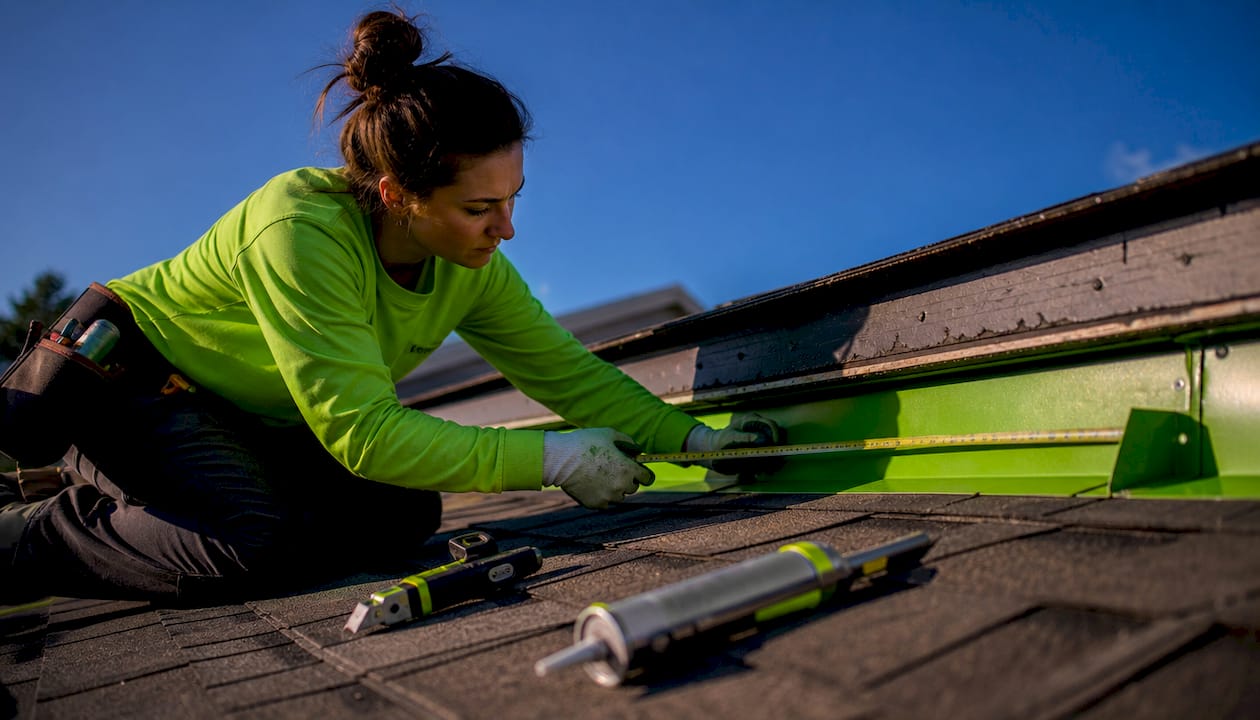
How does roofing protect against weather and manage moisture?
Weather protection is the most visible roof function, but moisture management is where most failures actually begin. Water infiltration through the roof assembly causes more building damage than wind or impact combined.
The roof assembly handles moisture through three coordinated layers:
- Roof covering: The outermost surface, whether asphalt shingles, metal panels, or single-ply membrane, sheds bulk water and resists wind-driven rain.
- Underlayment: A secondary barrier installed directly on the deck that catches any water that gets past the covering.
- Flashing: Metal or flexible material installed at edges, valleys, penetrations, and transitions to seal the joints where water most commonly enters.
Most roofing failures trace back to poor interface detailing at flashings, transitions, and penetrations, not the surface material itself. A high-quality shingle installed with sloppy flashing will leak faster than a budget shingle installed correctly.
Drainage is equally critical. Standing water on a flat or low-slope roof overloads live load limits, voids warranties, and accelerates membrane deterioration. Regular inspection of gutters, scuppers, and internal drains prevents ponding before it causes structural stress.
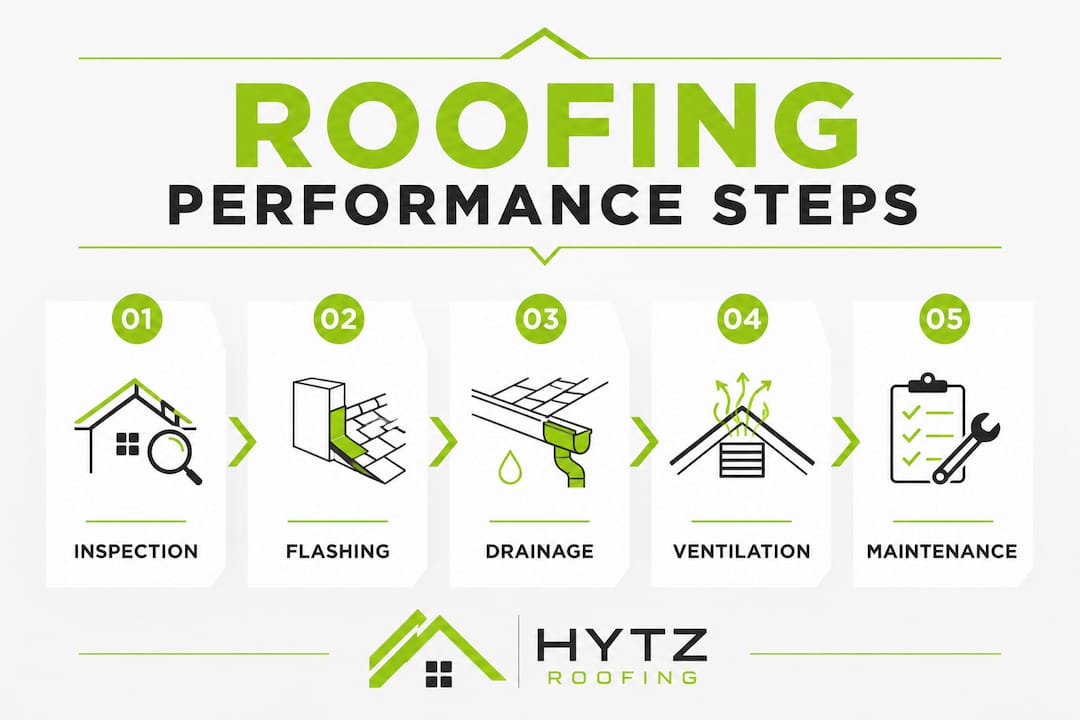
Attic ventilation controls moisture from the inside out. Without adequate airflow, warm humid air from the living space condenses inside the roof assembly, soaking insulation and rotting framing. Ventilation paths must be designed into the assembly from the start, not added as an afterthought.
Pro Tip: Inspect your roof flashings every spring and after any major storm. Flashing failures are the leading cause of interior water damage, and catching them early costs a fraction of what a full repair runs.
How does roofing affect energy efficiency?
The roof is the single largest surface exposed to solar radiation on most buildings. What happens at that surface directly determines your heating and cooling costs.
Reflectivity is the first lever. Cool roofing technologies with high Solar Reflectance Index (SRI) coatings reduce peak cooling demand and contribute to LEED certification credits for heat island reduction. Metal roofs with PVDF coatings achieve some of the highest SRI values available, making them a strong choice for hot climates like Florida.
Key factors that drive roofing energy performance include:
- Insulation placement: Continuous insulation above the deck eliminates thermal bridging through framing members. This is more effective than insulation placed only between rafters.
- Ventilation balance: A properly ventilated attic removes heat buildup in summer and prevents moisture condensation in winter, reducing the load on your HVAC system.
- Air sealing: Gaps at penetrations and edges allow conditioned air to escape. Sealing these points is as important as the insulation itself.
Approaching roofing as an integrated system is the foundation of net-zero energy building strategies. Reducing thermal demand through the roof assembly means your HVAC equipment works less, lasts longer, and costs less to operate. For builders pursuing sustainable building features, the roof assembly is the highest-leverage starting point.
What structural role does the roof play in a building?
The roof does more than cover a building. It actively stabilizes the structure beneath it. The roof structure redirects loads from wind uplift, snow accumulation, and the roof’s own weight down through the walls and into the foundation. Without that load path, walls can rack and foundations can shift.
Roof geometry matters enormously here. A hip roof distributes wind loads more evenly than a gable roof. A steep slope sheds snow before it accumulates to dangerous weights. These are not aesthetic choices. They are structural engineering decisions that affect the entire building envelope.
Roof failure compromises the entire building, not just interior finishes. When a roof deck fails, the walls it connects to lose lateral support. That is why a neglected roof is never just a roofing problem. It is a whole-building problem.
| Structural function | What it does |
|---|---|
| Load distribution | Transfers wind, snow, and dead loads to walls and foundation |
| Lateral bracing | Ties wall tops together to resist racking forces |
| Geometry maintenance | Keeps the building square and prevents wall spread |
| Foundation protection | Reduces differential settlement by distributing loads evenly |
Pro Tip: If you are planning a roof replacement, have a structural engineer review the existing framing first. Hidden damage to rafters or trusses is common in older homes and must be corrected before new materials go on.
Which roofing materials best support building envelope performance?
Material choice shapes every other aspect of roof performance, from lifespan to energy efficiency to maintenance cost. No single material is best for every building. The right choice depends on climate, roof slope, budget, and building use.
Metal roofing systems offer 40–60 years of service life. Asphalt shingles typically last 30–50 years with proper maintenance. Built-up roofing systems exceed 40 years on commercial flat roofs. Single-ply membranes like TPO and EPDM deliver 20-plus years on low-slope applications.
Here is how the major categories compare on the factors that matter most for envelope performance:
- Asphalt shingles: Widely available, cost-effective, and easy to repair. Best for sloped residential roofs in moderate climates. Limited reflectivity unless coated.
- Metal panels: High SRI values, long lifespan, and fully recyclable at end of life. Strong wind resistance makes them well-suited for hurricane-prone regions.
- Clay and concrete tiles: Excellent thermal mass and durability in hot, dry climates. Heavy, so structural framing must be designed to carry the added load.
- Single-ply membranes (TPO, EPDM): Standard for commercial flat and low-slope roofs. TPO offers good reflectivity. EPDM performs well in cold climates.
Environmental impact is a growing factor in material selection. Metal roofing is fully recyclable. Some synthetic tile products, like those from Brava, use recycled materials in manufacturing. Asphalt shingles generate significant landfill waste at end of life, though recycling programs are expanding.
What are best practices for roofing design and maintenance?
Good roofing design starts at the edges and penetrations, not the field of the roof. The field is easy to get right. The details at parapets, skylights, HVAC curbs, and wall intersections are where most problems originate.
- Detail every penetration. Every pipe, vent, or conduit that passes through the roof deck needs a properly flashed collar. Generic pipe boots fail faster than custom-fabricated metal flashings.
- Specify factory-fabricated trim. Field-bent metal is inconsistent. Factory-fabricated edge metal, copings, and transitions deliver tighter tolerances and longer performance.
- Inspect twice a year. Schedule inspections in spring and fall. Look for lifted flashings, cracked sealants, blocked drains, and any signs of ponding after rain.
- Address minor repairs immediately. A small flashing gap costs under $200 to fix. Left alone, it leads to deck rot, insulation replacement, and interior damage that can run into thousands. The true cost of ignoring roof damage compounds quickly.
- Document your roof system. Keep records of installation date, materials used, warranty terms, and every repair. This protects your warranty and informs future contractors.
Regular preventive maintenance is the single most cost-effective investment you can make in your building envelope. A well-maintained roof at year 20 performs close to its original specification. A neglected roof at year 10 may already be failing.
Pro Tip: After any storm with winds above 50 mph, walk your property and look for lifted shingles, displaced flashing, or granule loss in gutters. These are early warning signs that warrant a professional inspection before the next rain.
Key Takeaways
The roof assembly is the building envelope’s most complex and consequential component, and its performance determines the durability, energy cost, and structural safety of the entire building.
| Point | Details |
|---|---|
| Roofing is a system, not a surface | Every layer from deck to covering works together; failure in one layer damages the rest. |
| Flashing details drive leak risk | Most water infiltration starts at transitions and penetrations, not the field of the roof. |
| Reflectivity and insulation cut energy costs | High SRI materials and continuous insulation above the deck reduce HVAC demand significantly. |
| The roof stabilizes the whole structure | It transfers wind, snow, and dead loads to walls and foundation, keeping the building square. |
| Maintenance extends lifespan dramatically | Twice-yearly inspections and prompt repairs keep a roof performing near spec for decades. |
What I’ve learned about roofs that most homeowners miss
Most homeowners think about their roof twice: when they buy a house and when it leaks. That gap is where most building envelope problems are born.
After years of working with roofing systems across Florida, the pattern I see most often is not material failure. It is neglected detailing at flashings and penetrations that was never right to begin with. A homeowner installs a new HVAC unit, the installer cuts a curb through the roof membrane, and nobody follows up with proper flashing. Three years later, there is rot in the deck and mold in the attic insulation. The HVAC works fine. The building envelope is compromised.
The second thing I see constantly is homeowners treating roof replacement as a cost to minimize rather than an investment to maximize. Choosing the cheapest shingle and the lowest bid almost always costs more over a 20-year horizon than spending 15–20% more upfront on better materials and a certified installer. Roof condition is one of the top three factors influencing property value and buyer confidence. A roof that looks good and has documented maintenance history is a genuine asset at resale.
The technology is genuinely getting better. Cool roofing coatings, factory-fabricated flashings, and integrated vapor control layers are making it easier to build a roof assembly that performs well for 50-plus years. But none of that technology matters if the installation is sloppy. The roof rewards attention to detail above everything else.
— Anthony
Hytzroofing: building envelope expertise you can count on
Your roof is too important to leave to guesswork. Hytzroofing holds the GAF Master Elite® Contractor designation, earned by fewer than 2% of roofing contractors across North America, along with the GAF President’s Club Award for consistently superior installation quality.
Whether you need a residential re-roof or a commercial roofing solution for a flat or low-slope building, Hytzroofing brings the certifications, manufacturer backing, and local Florida expertise to protect your building envelope for decades. Hytzroofing is BBB Accredited with an A+ rating and holds Florida Contractor License #CCC1332551. Get in touch today for a professional assessment of your roof and building envelope performance.
FAQ
What is the building envelope and why does the roof matter?
The building envelope is the physical barrier between a building’s interior and the outdoors, including walls, windows, foundation, and roof. The roof is the most exposed component and directly controls weather protection, thermal performance, and moisture management for the entire system.
What causes most roofing failures?
Most roofing failures trace back to poor detailing at flashings, transitions, and penetrations rather than the surface material itself. Consistent installation and factory-fabricated trim components reduce leak risk significantly.
How does roofing affect HVAC performance?
A roof with high solar reflectance and continuous insulation reduces heat gain in summer and heat loss in winter, lowering the demand on your HVAC system. Poor attic ventilation compounds the problem by trapping heat and moisture that degrade both insulation and equipment efficiency.
How long do different roofing materials last?
Metal roofing systems last 40–60 years, asphalt shingles last 30–50 years, built-up roofing systems exceed 40 years, and single-ply membranes deliver 20-plus years of service life with proper maintenance.
How often should a roof be inspected?
Inspect your roof twice a year, in spring and fall, and after any major storm. Regular inspections catch flashing failures, blocked drains, and minor damage before they escalate into costly structural repairs.
Recommended
- The Ultimate Cost of Ignoring a Leaky Roof What Homeowners Need to Know
- Tampa Roofer | GAF Master Elite | Hytz Roofing
- Types of Roof Repairs Florida Homeowners Need Most
- Introducing Enviroshake to Your Hoa
Related Hytz Roofing Services