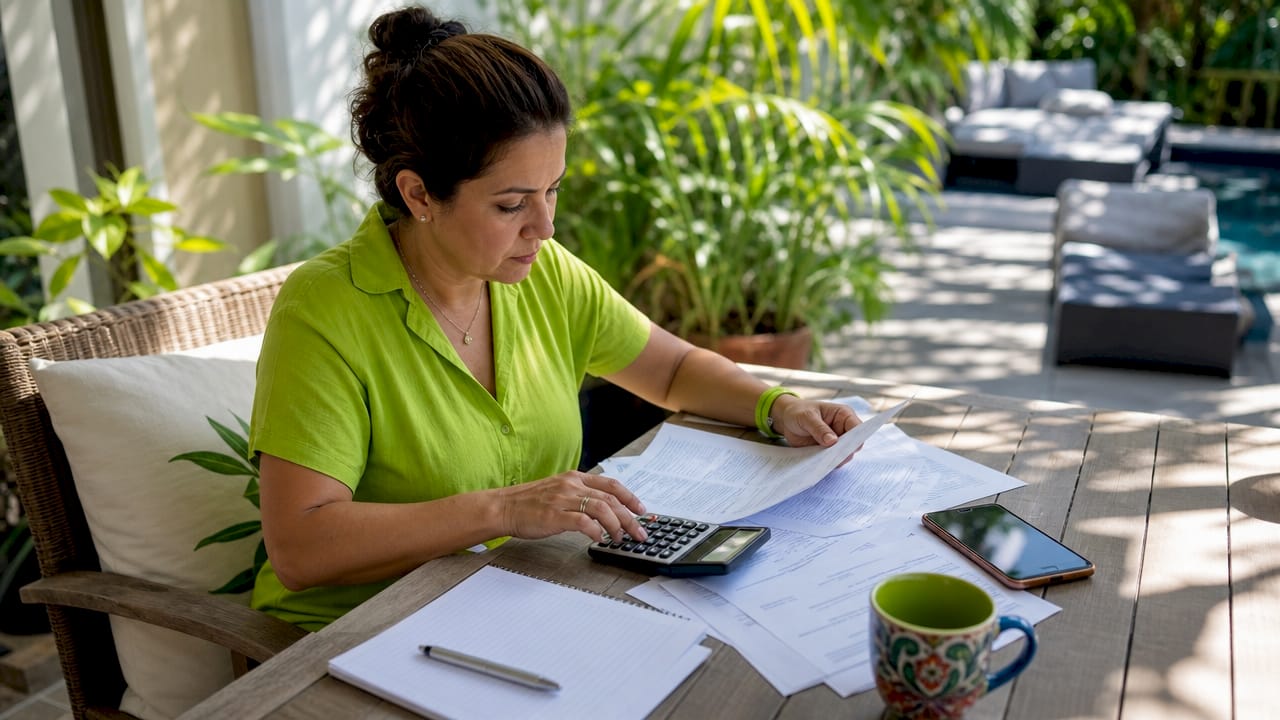
Down Payment Role in Roof Financing for Florida Homeowners
Down Payment Roof Financing can affect loan approval, monthly payments, and project timing for many Florida homeowners.
A down payment in roof financing is defined as the upfront cash you pay before a contractor orders materials or schedules your project. The role of down payment in roof financing goes well beyond a simple deposit. It shapes your loan terms, your monthly costs, and how fast work begins on your home. For Florida homeowners, where hurricane season can make a leaking roof a genuine emergency, understanding this financial commitment is the difference between a project that starts next week and one that stalls for months. This guide breaks down exactly how down payments work, what they cost you over time, and how to protect your cash reserves while getting your roof replaced.
How does a down payment impact roof financing options?
Your down payment size directly changes the loan amount, the interest rate you qualify for, and the total cost of your roof over time. A larger upfront payment reduces the principal you borrow. That means less interest accumulates over the life of the loan.
Different financing types treat down payments very differently. HELOCs typically carry interest rates of 7–9% APR, personal loans run 12–30% APR, and credit cards reach 25–35% APR. That spread is enormous. A homeowner who puts $3,000 down on a $15,000 roof and finances the rest on a credit card pays far more than one who uses a HELOC with a larger down payment.

Here is how common roof financing options compare on down payment requirements and funding speed:
| Financing type | Typical down payment | Funding timeline | Key consideration |
|---|---|---|---|
| Contractor point-of-sale financing | 0–20% | Minutes to hours | Convenient but may carry higher rates |
| Personal loan | 0% (lender pays contractor) | 1–5 business days | No collateral required |
| HELOC or home equity loan | Varies | 2–6 weeks | Lower rates, requires home equity |
| FHA Title I loan | 0% | 2–4 weeks | Up to $25,000, government-backed |
| Credit card | 0% | Immediate | Highest interest rates |
Contractor financing approves loans in minutes, while HELOCs take 2–6 weeks due to appraisal requirements. That timeline difference matters enormously when a storm has left your attic exposed. Choosing the right financing type is not just about rates. It is about matching the funding speed to your urgency.
Pro Tip: Before you sign any financing agreement, calculate the total amount you will repay over the full loan term, not just the monthly payment. A low monthly figure can hide a very high total cost.
Why do roofing contractors require down payments?
A contractor’s down payment requirement exists to fund materials and secure your spot on the schedule. Roofing materials, especially premium products like GAF Timberline shingles or Brava synthetic tiles, must be purchased before installation begins. Without a deposit, a contractor carries that financial risk alone.
Down payments ranging from 10% to 50% are standard in the roofing industry, depending on project size and material costs. A small repair might require 10%. A full roof replacement with specialty materials can push that figure to 30–50%. The deposit also confirms your commitment. Contractors manage tight schedules, and a paid deposit signals you will not cancel at the last minute.
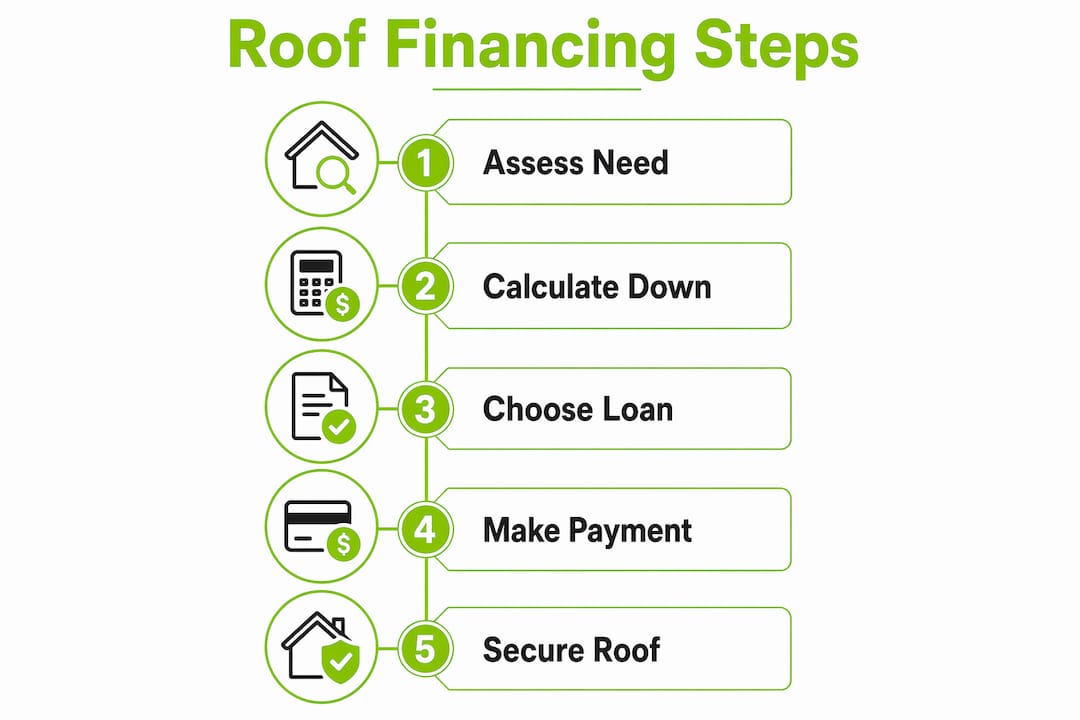
From a supply chain perspective, the deposit matters even more in Florida. Material lead times can stretch during hurricane season when demand spikes across the state. A contractor who has already purchased your materials will prioritize your project over a homeowner who has not yet committed. Down payments secure materials and schedule priority, which is especially critical in weather-dependent markets like Florida.
Key things to verify before paying any deposit:
- Get the deposit amount and terms in writing before signing
- Confirm what portion of the deposit covers materials versus labor
- Ask whether the deposit is refundable if the project is delayed by the contractor
- Check that the contractor holds a valid Florida license (Hytzroofing carries License #CCC1332551)
- Verify that the contractor carries general liability and workers’ compensation insurance
Pro Tip: Never pay more than 50% upfront to any contractor. Florida’s contractor licensing laws exist to protect you. If a contractor demands full payment before starting, treat that as a warning sign.
What financial strategies should Florida homeowners use for their down payment?
The best down payment strategy balances reducing your loan cost with keeping enough cash on hand for other emergencies. Larger down payments reduce monthly costs and interest, but they can also drain your savings and leave you exposed if your AC fails or another storm hits the following month.
Florida homeowners face a specific risk that homeowners in other states do not. Hurricane season runs june through november, and a roof emergency can arrive with very little warning. Spending every dollar of your savings on a down payment right before storm season is a gamble. Financial planners consistently recommend keeping three to six months of household expenses in reserve, even after a major home repair.
Here is a practical framework for deciding your down payment amount:
- Calculate your total roof cost using a detailed roofing cost guide before you talk to any lender.
- Set your cash floor. Decide the minimum savings balance you will not go below, regardless of any financing decision.
- Compare total loan costs. Run the numbers on two or three down payment scenarios and compare the total repayment amount, not just the monthly figure.
- Match urgency to financing speed. If your roof is actively leaking, a fast personal loan or contractor financing may be worth a slightly higher rate.
- Check for government assistance. FHA Title I loans offer up to $25,000 with no down payment required, which preserves your cash reserves entirely.
- Review lien implications. Contractor financing may place a lien on your property until the loan is paid, which can block future refinancing or equity borrowing.
Financing is a cash flow tool, not a sign of poor planning. Choosing a lower down payment to protect your emergency fund is a legitimate financial decision. The goal is to get your roof replaced without creating a new financial vulnerability in the process.
Pro Tip: If you are replacing your roof after storm damage, review your homeowner’s insurance claim first. Your insurer may cover a significant portion of the replacement cost, which changes your down payment calculation entirely. Hytzroofing can help you understand what your policy covers before you commit to any financing.
What are the advantages and disadvantages of zero down roof financing?
Zero down roof financing means the full project cost is financed, with payments starting later. No money down programs transfer the upfront cost to longer loan terms and higher interest, which often results in a higher total payment compared to a moderate down payment approach.
The appeal is obvious. You get a new roof today without touching your savings. For a homeowner facing an urgent repair after a storm, that can be the right call. The risk is that the total cost of the project climbs significantly over time.
Deferred-interest plans, often marketed as “same as cash,” carry a specific trap. Deferred interest applies retroactively if you carry any balance past the promotional period. That means if you owe even $1 at the end of a 12-month promotional window, you could owe interest on the entire original balance from day one. That is not a small penalty.
Before accepting any zero down or deferred-interest offer, ask these questions:
- What is the interest rate after the promotional period ends?
- Does deferred interest apply retroactively to the full original balance?
- What is the total repayment amount if I make only minimum payments?
- Does this financing place a lien on my property?
- Can I pay off the balance early without a prepayment penalty?
Deferred-interest financing works well only if you pay the full balance before the promotional period expires. If you have any doubt about your ability to do that, a standard loan with a modest down payment is the safer path. You can also compare contractor quotes carefully using resources like this contractor quote guide to make sure the financing terms match the project scope.
Key takeaways
The role of down payment in roof financing is to secure materials, lock in your schedule, and reduce total loan cost, but the right amount depends on your cash reserves, financing type, and Florida’s storm season timing.
| Point | Details |
|---|---|
| Down payment secures the project | Deposits fund materials and confirm your spot on the contractor’s schedule. |
| Financing type changes your rate | HELOCs run 7–9% APR; credit cards reach 25–35% APR, making the choice critical. |
| Protect your cash reserves | Never drain savings for a larger deposit if it leaves you exposed to other emergencies. |
| Zero down costs more long term | No-money-down plans shift costs to interest, raising your total repayment amount. |
| Deferred interest is a real risk | Retroactive interest charges apply if you carry any balance past the promotional window. |
What I have learned about down payments after years of Florida roofing projects
Working with Florida homeowners on roofing projects has taught me one thing above all else: the down payment conversation is almost always the most stressful part of the process. People either want to put down as much as possible to minimize debt, or they want to put down nothing and keep their cash. Both instincts make sense. Neither is automatically right.
The homeowners I have seen struggle most are the ones who maximized their down payment in july, right before a storm hit in september and damaged something else on their property. They had no cash left to respond. Florida’s climate does not give you the luxury of tying up all your liquidity in one project.
On the other side, I have seen homeowners accept zero down deferred-interest offers without reading the fine print. When the promotional period ended and the retroactive interest hit, the surprise was genuinely painful. A roof that cost $14,000 ended up costing closer to $18,000 because of one missed payment deadline.
My honest recommendation: put down enough to get a fair interest rate and secure your project timeline, then stop. Keep a real cash buffer. And work only with contractors who explain every line of the financing agreement before you sign. Transparency in that conversation is not optional. It is the baseline. For Florida homeowners dealing with storm repair permits and insurance claims on top of financing decisions, the complexity adds up fast. You deserve a contractor who helps you navigate all of it, not just the installation.
— Anthony
Hytzroofing makes your roof financing process straightforward
Getting a new roof is a big financial decision. Hytzroofing works with Florida homeowners to make the down payment and financing process clear from the first conversation.
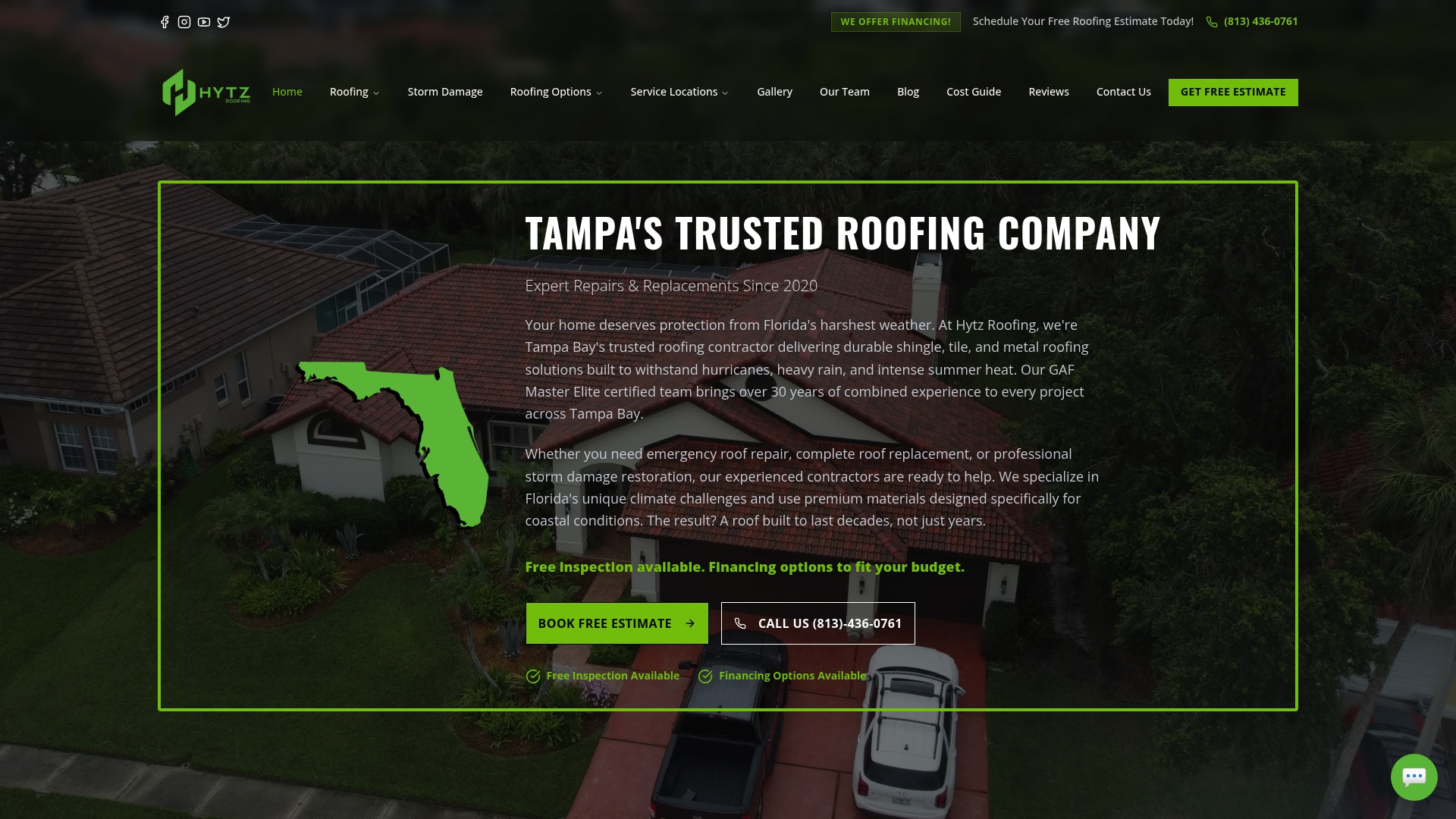
As a GAF Master Elite® Contractor and GAF President’s Club Award recipient, Hytzroofing holds credentials earned by fewer than 2% of roofing contractors in North America. That means you get expert guidance on roofing costs and financing options backed by real industry standing. Hytzroofing explains deposit requirements, loan terms, and lien implications before you commit to anything. Ready to talk through your options? Visit hytzroofing.com to request a free estimate and get answers from a team that puts your financial confidence first.
FAQ
What is the typical down payment for a roof replacement?
Roofing contractors typically require a deposit of 10% to 50% of the total project cost. The exact amount depends on project size, material costs, and contractor policy.
Does a larger down payment lower my interest rate on roof financing?
A larger down payment reduces the loan principal, which lowers total interest paid over time. It does not always change the stated interest rate, but it does reduce the total cost of borrowing.
What happens if I miss the deadline on a deferred-interest roof financing plan?
Retroactive interest applies to the full original balance if you carry any amount past the promotional period. That can significantly increase your total roof cost beyond the original project price.
Can I get roof financing with no down payment in Florida?
Yes. Personal loans, FHA Title I loans up to $25,000, and some contractor financing programs require no down payment. These options preserve your cash but typically result in higher total repayment amounts.
Does contractor financing put a lien on my home?
Some contractor financing arrangements do place a lien on your property until the loan is fully repaid. That lien can restrict your ability to refinance or take out a home equity loan, so confirm lien status before signing any agreement.
Recommended
- Tampa Roofer | GAF Master Elite | Hytz Roofing
- GAF Master Elite Roofer in Tampa, FL | Hytz Roofing
- Introducing Enviroshake to Your Hoa
- Types of Roof Repairs Florida Homeowners Need Most
Related Hytz Roofing Services