
Why Roofing Costs Vary and Financing Needs in Florida
Roofing Costs Florida can vary widely depending on materials, labor, permits and the financing path homeowners choose.
Roofing costs in Florida are determined by material type, roof size, labor rates, installation complexity, and hurricane-resilient building code requirements that do not apply in most other states. Understanding why roofing costs vary and financing needs matter is the first step toward making a smart investment in your home. A 1,500 sq ft roof in Florida averages around $12,000, while a 2,500 sq ft home can reach $20,000 or more once code upgrades are factored in. Financing options including personal loans, home equity products, and contractor programs give Florida homeowners a practical path to manage these costs without draining savings.
Why do roofing costs vary so much in Florida?
Roofing cost factors in Florida go well beyond square footage. Labor accounts for 50 to 55% of total project cost, while materials cover 40 to 45%, with overhead and profit adding another 15 to 25% on top. That structure means any shift in material prices or labor availability hits your final bill hard.
Florida’s climate creates cost pressures you simply won’t find in Ohio or Colorado. Hurricane resilience requirements under the Florida Building Code often add $400 to $1,200 in upgrade costs per project, covering items like enhanced fastening patterns, secondary water barriers, and impact-rated underlayment. These are not optional extras. They are code requirements that licensed contractors must follow.
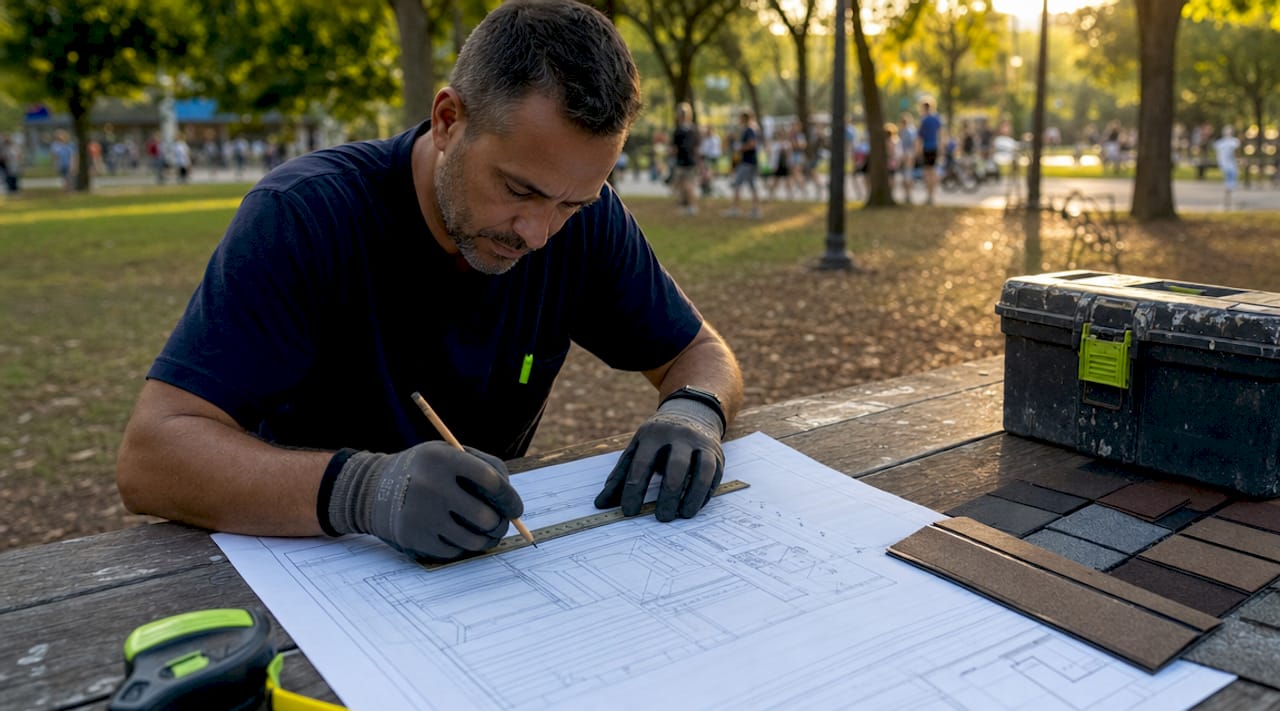
Material prices have also climbed sharply. Roofing materials rose 15 to 25% since 2024 due to tariffs and price increases from manufacturers including GAF, Owens Corning, and CertainTeed. That inflation is now baked into every quote you receive in 2026.
Here are the primary roofing cost factors driving price differences across Florida projects:
- Roof size and pitch: Larger roofs require more materials and labor hours. Steep pitches require safety equipment and slower installation.
- Material selection: Asphalt shingles, metal panels, clay tile, and synthetic products each carry different price points and installation requirements.
- Tear-off layers: Removing existing roofing adds cost. Overlaying instead of full tear-off can save $1,500 to $3,500, but Florida codes often prohibit it after two layers.
- Permits and disposal: Permit fees vary by county, and debris disposal adds to the total.
- Hidden repairs: Rotted decking, damaged fascia, or compromised flashing discovered during installation add unexpected line items.
- Regional labor rates: Tampa, Orlando, and Miami all carry different labor market conditions that affect contractor pricing.
Pro Tip: Ask every contractor for a line-item written estimate, not a single lump-sum number. This lets you compare bids accurately and spot where costs differ.
How do roofing materials compare in cost and financing needs?
Material choice is the single biggest lever you control when determining roofing costs. It also shapes how much financing you need and which loan type makes sense. Explore your material options in detail before committing to a quote.
| Material | Cost per sq ft | Lifespan | Financing suitability |
|---|---|---|---|
| Asphalt shingles | $3.50 to $6.00 | 20 to 30 years | Personal loan or contractor financing |
| Metal roofing | $7.00 to $14.00 | 40 to 70 years | HELOC or home equity loan |
| Clay or concrete tile | $10.00 to $18.00 | 50+ years | Home equity loan preferred |
| Synthetic (Brava, etc.) | $9.00 to $16.00 | 40 to 50 years | Personal loan or HELOC |
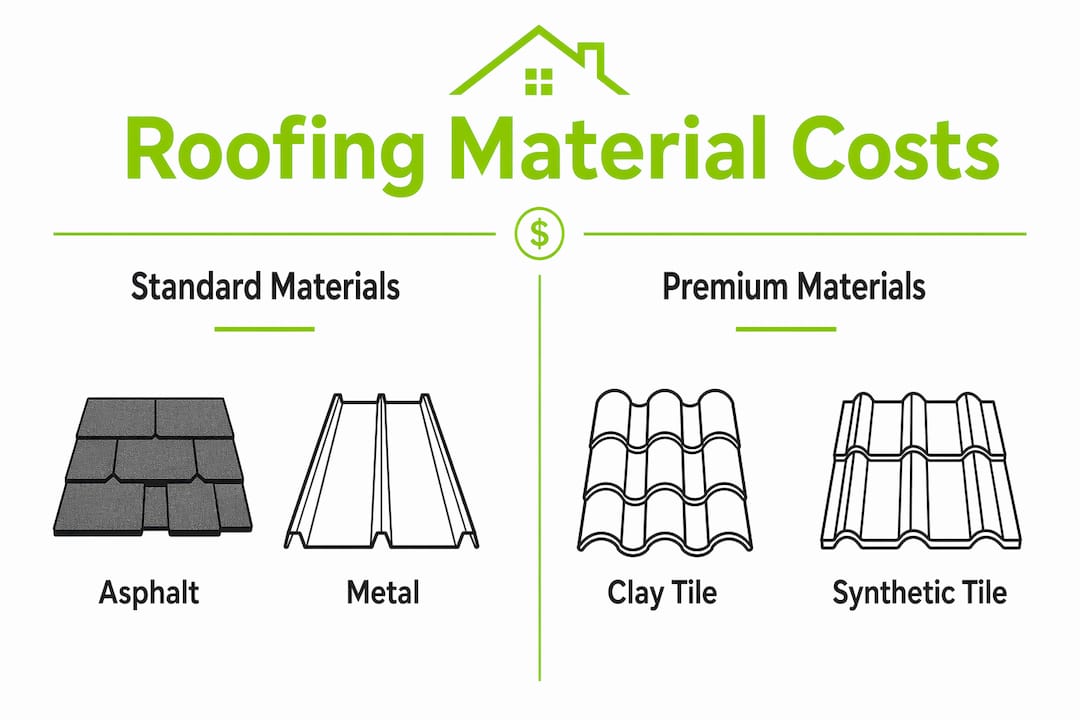
Asphalt shingles from manufacturers like GAF or Owens Corning remain the most common choice in Florida because the upfront cost is manageable and approval for a personal loan or contractor financing is straightforward. Metal roofing costs more upfront but lasts two to three times longer, which reduces repair frequency and long-term spending. That longer lifespan makes it a stronger candidate for a home equity product where you spread payments over a longer term.
Premium materials like clay tile or Brava synthetic tile carry the highest upfront cost but offer the best durability in Florida’s heat and storm conditions. Projects in this price range typically exceed $25,000, which makes a HELOC or home equity loan the most practical financing path. The total project size simply exceeds what most personal loan limits cover comfortably.
Pro Tip: Calculate cost per year of lifespan, not just total price. A $22,000 metal roof lasting 50 years costs $440 per year. A $10,000 asphalt roof lasting 20 years costs $500 per year. The “cheaper” option often costs more over time.
What financing options are available for Florida roofing projects?
Financing options for roofing fall into four main categories, each with different approval requirements, rates, and risk profiles. Financing removes friction from urgent decisions and protects your emergency cash reserves when a storm forces an unplanned replacement.
Here is a breakdown of the most common roof repair financing paths available to Florida homeowners:
- Personal loans: Unsecured, no collateral required. APRs typically run 8 to 10% with approval timelines of two to four weeks. Best for projects under $15,000 where you have a credit score above 690.
- Home equity loans: Fixed-rate loans secured by your home’s equity. Lower interest rates than personal loans, but approval takes longer and missed payments risk foreclosure. Best for large projects where you have significant equity built up.
- HELOCs (Home Equity Lines of Credit): Revolving credit secured by your home. Requires a credit score of 620 or higher. Flexible draw schedule works well when project costs are uncertain or phased.
- Contractor financing programs: Offered directly through roofing companies, often with promotional 0% periods. Convenient, but read the terms carefully. Deferred interest products can carry high back-end rates if not paid off in time.
- FHA Title I loans: Government-backed loans for home improvements. Useful if you have limited equity, though loan limits and approval requirements apply.
- Credit cards: Only practical for small repairs under $3,000 where you can pay the balance quickly. High APRs make them expensive for larger projects.
Important: Every roofing loan adds to your debt-to-income ratio. If you plan to refinance your mortgage or apply for another loan within the next 12 months, factor that into your financing decision before signing.
How does roof complexity impact your cost estimate and financing strategy?
Roof complexity is one of the most underestimated cost drivers in any Florida roofing project. A simple gable roof on a single-story home is priced very differently from a multi-plane hip roof with dormers, skylights, and valleys.
Here is how complexity adds to your final bill:
- Steep pitch multiplier: Roof pitch raises labor costs by 25 to 60% above a standard slope. Steeper roofs require harness systems, slower movement, and more installer time per square.
- Multiple dormers and features: Complex designs with dormers, chimneys, and skylights add 15 to 30% in waste and labor beyond the pitch multiplier alone.
- Tear-off layers: Each additional layer of old roofing adds $125 to $650 per square in removal and disposal costs.
- Hidden structural damage: Rotted decking or damaged rafters discovered mid-project add cost that no initial quote can fully anticipate. Budget a 10 to 15% contingency for projects on older Florida homes.
- Site access challenges: Homes with limited yard access, pool cages, or landscaping that complicates material delivery extend project time and increase labor charges.
When complexity pushes your project cost beyond your original estimate, a HELOC works better than a fixed personal loan because you can draw additional funds as needed. A fixed loan amount may fall short if unexpected repairs surface once the old roof comes off.
What steps can Florida homeowners take to manage costs and choose financing wisely?
Managing roofing costs starts before you ever call a contractor. Florida homeowners who plan ahead consistently get better prices and better financing terms than those reacting to an emergency. Read through these roof repair tips for Tampa homeowners to see how preparation changes outcomes.
- Get three bids minimum: Each bid should include a line-item breakdown covering materials, labor, permits, tear-off, and disposal separately.
- Understand your insurance policy: Florida hurricane deductibles run 1 to 5% of dwelling coverage, which can mean $3,000 to $15,000 out of pocket before insurance pays anything. Know your deductible before you budget.
- Know ACV vs. RCV coverage: Actual Cash Value policies pay depreciated value. Replacement Cost Value policies cover the full replacement cost. The difference can be thousands of dollars and directly shapes how much financing you need.
- Compare cash price vs. financed price: Always ask what the project costs if you pay cash versus finance. Some contractors price differently depending on payment method.
- Time your project strategically: Post-hurricane season (November through February) often brings more contractor availability and competitive pricing in Florida.
- Match financing to your credit profile: If your score is above 720, a personal loan or HELOC offers the best rates. Scores between 620 and 690 may find contractor financing more accessible.
Pro Tip: Separate your financing decision from your contractor decision. Get your loan pre-approved before you sign a contract. This gives you negotiating clarity and prevents a contractor from steering you toward a financing product that benefits them more than you.
Key takeaways
Florida roofing costs vary because of material choice, labor rates, code requirements, and project complexity, and the right financing option depends on project size, credit profile, and urgency.
| Point | Details |
|---|---|
| Florida code adds real cost | Hurricane-resilient requirements add $400 to $1,200 per project beyond standard pricing. |
| Material choice drives financing needs | Premium materials like tile or metal often require a HELOC or home equity loan due to higher project totals. |
| Complexity raises costs unpredictably | Steep pitches, multiple tear-off layers, and hidden repairs can add 25 to 60% above base estimates. |
| Financing is a strategic tool | Using financing preserves emergency cash and allows you to choose quality materials over budget options. |
| Insurance deductibles affect out-of-pocket costs | Florida hurricane deductibles of 1 to 5% of dwelling coverage directly shape how much financing you need. |
What I’ve learned after years of watching Florida homeowners navigate roofing decisions
Most homeowners I talk with underestimate their roofing project by 20 to 30% before the first nail goes in. They budget for materials and basic labor, then get surprised by permit fees, code upgrades, and the rotted decking hiding under two layers of old shingles. That gap between expectation and reality is where financing decisions get made under pressure, and pressure rarely produces the best financial choices.
Here is what I believe most articles on this topic miss: financing is not a fallback for people who cannot afford their roof. It is a planning tool for people who want to protect their cash flow, choose better materials, and avoid the trap of picking the cheapest contractor because it is all they can afford upfront. A homeowner who finances a GAF Timberline HDZ roof installed by a licensed, insured contractor is making a smarter long-term decision than one who pays cash for a budget install that fails in three years.
Florida’s building code requirements are not bureaucratic friction. They are the reason a properly installed roof survives a Category 3 storm while a neighbor’s roof does not. Choosing a GAF Master Elite® contractor means those code requirements are met correctly, not worked around. That distinction matters enormously when you file an insurance claim after a storm.
My honest advice: plan your financing before you need a new roof, not after. Check your home equity, review your credit score, and understand your insurance deductible. When a storm hits or an inspection reveals a failing roof, you want to move quickly with a clear financial plan, not scramble for options while your ceiling leaks.
— Anthony
Get a clear roofing estimate and explore financing options with Hytzroofing
Hytzroofing is a GAF Master Elite® contractor in Tampa, an honor held by fewer than 2% of roofing contractors in North America. That designation means every project meets GAF’s strict standards for licensing, insurance, training, and installation quality. Hytzroofing also holds the GAF President’s Club Award and the Angi Super Service Award 2025, reflecting a consistent track record of satisfied Florida homeowners.
Whether you need a full roof replacement, storm damage repair, or want to understand your financing options before committing, Hytzroofing offers transparent, line-item estimates and flexible financing programs for Florida residents. Visit the roofing cost guide to understand exactly what goes into your project price, then reach out for a free consultation.
FAQ
What is the average roofing cost for a Florida home?
A 1,500 sq ft Florida home averages around $12,000 for a roof replacement, while a 2,500 sq ft home typically runs $20,000 or more due to hurricane-resilient code requirements. Final costs depend on material choice, roof complexity, and local labor rates.
What credit score do I need to finance a roof replacement?
Most personal loan lenders require a credit score of 690 or higher for competitive rates, while HELOCs typically require 620 or above. Contractor financing programs sometimes have more flexible requirements but may carry higher long-term costs.
Does homeowner’s insurance cover roof replacement in Florida?
Florida insurance policies often cover storm-related roof damage, but hurricane deductibles of 1 to 5% of dwelling coverage apply before the insurer pays. Whether your policy uses Actual Cash Value or Replacement Cost Value significantly affects how much you receive.
How does roof pitch affect my total project cost?
Steep roof pitches raise labor costs by 25 to 60% above a standard slope because installers work more slowly and require safety equipment. Complex designs with dormers or multiple planes add another 15 to 30% in waste and labor on top of that.
Is contractor financing a good option for roofing projects?
Contractor financing is convenient and sometimes offers promotional 0% periods, making it a solid choice for homeowners who need quick approval. Read the full terms carefully, since deferred interest products can carry high back-end rates if the balance is not paid off before the promotional period ends.
Recommended
- Weathering the Storm Expert Tips for Roof Leak Repair in Tampa Fl
- GAF Master Elite Roofer in Tampa, FL | Hytz Roofing
- Introducing Enviroshake to Your Hoa
- Types of Roof Repairs Florida Homeowners Need Most
Related Hytz Roofing Services