Why Hire a Certified Roofing Contractor for Your Home
Certified Roofing Contractor credentials indicate the contractor meets recognized training and quality standards that support proper installation and long-term roof performance.
Last updated: August 8, 2026
A certified roofing contractor is defined as a professional who has earned manufacturer or industry credentials that go beyond a basic state license, proving advanced installation skills, ongoing training, and accountability to strict quality standards. For Florida homeowners, this distinction matters more than almost anywhere else in the country. Hurricane season, intense UV exposure, and high humidity put roofs under constant stress. Choosing a contractor with credentials from programs like GAF Master Elite, Owens Corning Preferred, or CertainTeed ShingleMaster is one of the most direct ways to protect your home’s value, your warranty coverage, and your peace of mind.
What are the key benefits of hiring a certified roofing contractor?
The most direct benefit is durability. Hiring a certified roofing contractor reduces premature roof failure by up to 40% through strict adherence to manufacturer installation standards. That number reflects the difference between a roof installed correctly, with proper underlayment, flashing, and ventilation, and one that cuts corners on any of those components.
Here is what you gain by choosing a certified professional:
- Superior warranty coverage. Enhanced warranties through certified contractors can provide up to 50 years of non-prorated protection, covering materials, labor, tear-off, and disposal. Standard warranties cover only raw materials and lose value over time.
- Higher insurance protection. Certified contractors typically carry $2 million in liability insurance and full workers’ compensation. If a worker is injured on your property and the contractor carries minimal coverage, you could be held responsible.
- Proven skill and accountability. Manufacturer certifications require contractors to maintain high installation quality, ongoing training, and customer satisfaction or risk losing their status entirely.
- Access to exclusive products. Some premium shingle lines and roofing systems are only available through certified installers, giving you more options for your specific home and climate.
“A roof is a system, not just shingles. Certified contractors’ training ensures proper integration of flashing, underlayment, and ventilation to avoid failure.” — Certified roofing experts
Pro Tip: Ask any contractor you interview to show you their current manufacturer certification documents. Legitimate certifications are tied to specific contractor IDs that you can verify directly on the manufacturer’s website.
How does manufacturer certification differ from a basic license?
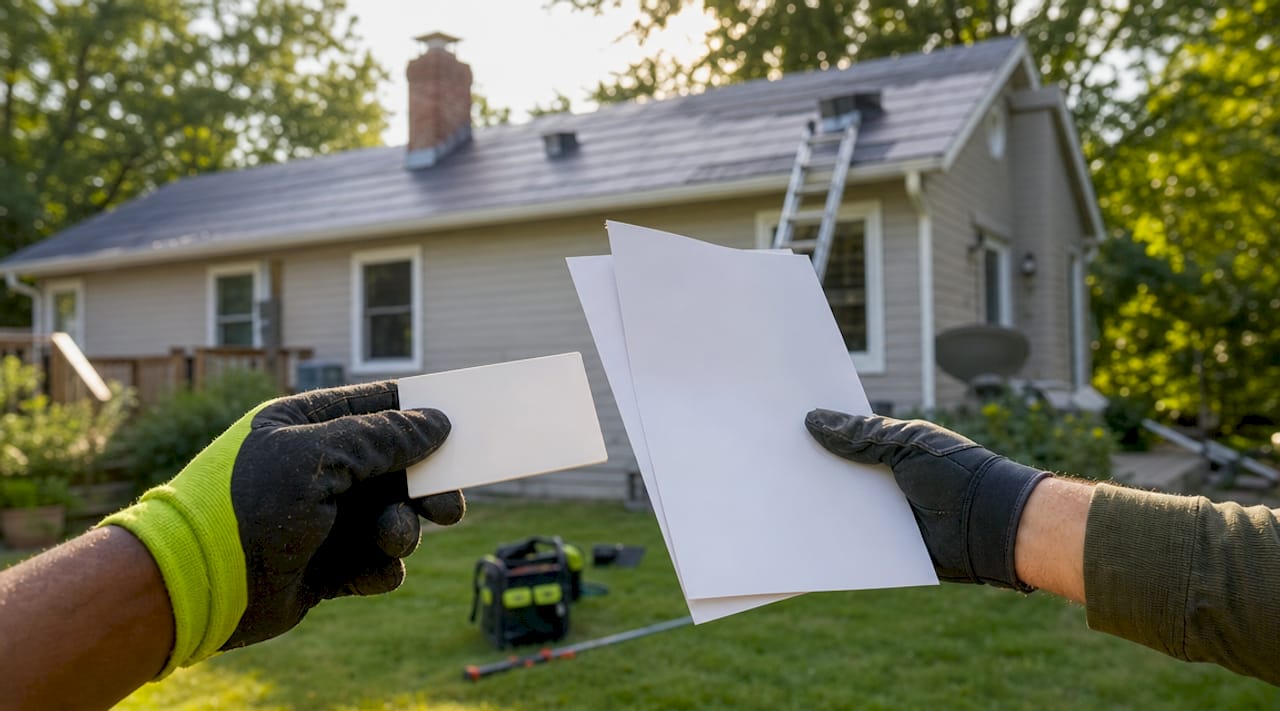
Licensing and certification are not the same thing, and confusing them is one of the most common mistakes Florida homeowners make. A license is legal permission to operate as a contractor in a given state. Certification is proof that a contractor has met a manufacturer’s specific standards for training, installation quality, and business practices.
Here is how the two compare side by side:
| Factor | Licensed contractor | Certified contractor |
|---|---|---|
| Legal permission to work | ✅ Yes | ✅ Yes |
| Manufacturer training required | ❌ No | ✅ Yes |
| Access to enhanced warranties | ❌ No | ✅ Yes |
| Ongoing quality audits | ❌ No | ✅ Yes |
| Customer satisfaction requirements | ❌ No | ✅ Yes |
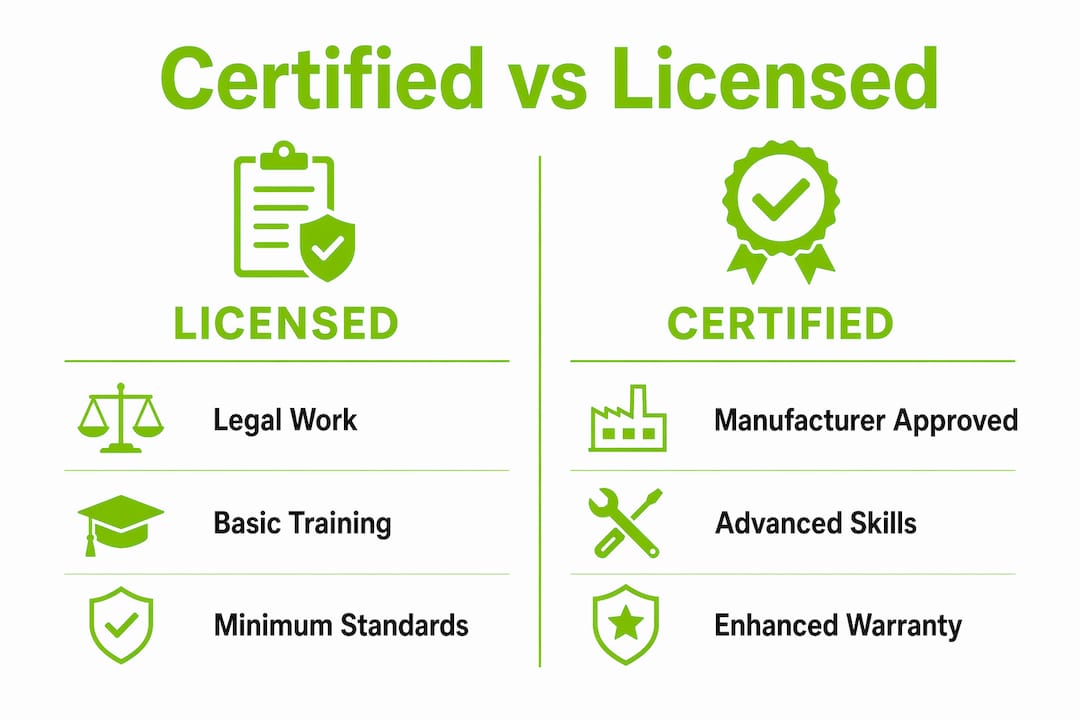
Many states have low licensing thresholds, making certification the most reliable indicator of contractor skill, especially for projects under $40,000. In Florida, where roofing projects frequently fall in that range, this gap matters. A licensed contractor can legally install your roof. A certified contractor has proven they know how to do it right.
The process for earning top-tier certification is genuinely rigorous. Only about 2% of roofing contractors earn designations like GAF Master Elite, which requires verified licensing, insurance, hands-on experience, and a track record of customer satisfaction. That rarity is not a marketing claim. It reflects a real vetting process that most contractors simply cannot pass.
Pro Tip: Use GAF’s online contractor locator at gaf.com to verify a contractor’s Master Elite status before signing any contract. Certification is tied to a specific business name and location, so verification takes less than two minutes.
What should Florida homeowners look for when choosing a certified roofer?
Florida’s climate creates specific demands that not every certified contractor is equally prepared to meet. High winds, salt air near the coast, and intense summer heat all affect which materials and installation methods perform best. Here is what to check before you hire:
- Verify certifications directly. Do not take a contractor’s word for it. Use manufacturer websites like GAF’s contractor locator or Owens Corning’s preferred contractor search to confirm current certification status.
- Confirm insurance coverage. Ask for a certificate of insurance showing both general liability and workers’ compensation. Coverage should be current and sufficient for a residential project.
- Look for multi-manufacturer credentials. A contractor certified by GAF, Owens Corning, and CertainTeed has broader product knowledge and can recommend the best material for your specific roof type and location.
- Check reviews and references. Platforms like Angi, Google Reviews, and the Better Business Bureau provide real homeowner feedback. Look for patterns in reviews, not just star ratings.
- Confirm permitting practices. Florida building codes require permits for most roofing work. A contractor who skips permits is cutting corners that could affect your homeowner’s insurance and your ability to sell your home later.
Florida homeowners dealing with storm-related roof damage face an additional layer of complexity. Certified contractors understand local wind uplift requirements and can install systems that meet Florida’s strict building codes, which are among the toughest in the country after decades of hurricane experience.
Pro Tip: Request a written scope of work before any project begins. A certified contractor will document every component being installed, including underlayment type, flashing specifications, and ventilation design. If a contractor resists putting details in writing, that is a clear warning sign.
How do certified contractors help with warranties and insurance claims?
This is where the advantages of professional roofing go well beyond the installation itself. Certified contractors act as partners in protecting your investment long after the last shingle is nailed down.
On the warranty side, certified contractors handle registration with manufacturers properly, reducing the risk of claim denials due to registration errors. Enhanced warranties require specific documentation submitted within a set timeframe. A single missing form or incorrect product code can void coverage worth thousands of dollars. Certified contractors manage this paperwork as a standard part of their service.
On the insurance side, the benefits are equally significant:
- Certified contractors provide the technical documentation that insurance adjusters need to process storm damage claims accurately.
- Their knowledge of installation standards helps adjusters understand the full scope of damage, which often results in more complete claim approvals.
- Their expertise reduces homeowner stress by handling communication between the roofing project and the insurance process simultaneously.
- They know which damage patterns qualify for full replacement versus repair, which directly affects your payout.
For a detailed walkthrough of the insurance claim process, this step-by-step claim guide covers the documentation and timeline expectations that apply to most residential roofing claims.
Pro Tip: Before your contractor starts any storm damage work, ask them to document all damage with photos and a written assessment. This report becomes your primary evidence if the insurance company disputes the scope of repairs.
Key takeaways
Hiring a certified roofing contractor is the single most reliable way to protect your roof investment through superior installation, comprehensive warranties, and expert claim support.
| Point | Details |
|---|---|
| Certification reduces failure risk | Certified installation cuts premature roof failure by up to 40% versus non-certified work. |
| Warranties are far stronger | Enhanced warranties cover labor, tear-off, and disposal for up to 50 years, unlike standard prorated coverage. |
| Insurance protection is higher | Certified contractors carry $2 million or more in liability coverage, protecting homeowners from on-site liability. |
| Certification beats licensing alone | Only 2% of contractors earn top-tier certifications, making it the most reliable quality indicator available. |
| Claim and warranty support is included | Certified contractors handle registration and insurance documentation as a standard part of every project. |
Why certification is the one thing I never compromise on
I have seen what happens when homeowners choose a contractor based on price alone. The roof looks fine for a year or two, and then the problems start. A flashing detail that was never sealed properly. Ventilation that was undersized for the attic. Underlayment that was the wrong product for Florida’s heat index. None of these issues are visible from the ground, and none of them show up until a heavy rain or a strong storm reveals them.
What I have found over years of working in Florida roofing is that manufacturer certifications are accountability tools, not pay-to-play memberships. Contractors lose certification if they fail quality or customer service requirements. That ongoing accountability is what separates a certified contractor from someone who simply passed a licensing exam years ago and has not updated their knowledge since.
Florida’s building codes are strict for good reason. The state has learned hard lessons from hurricanes Andrew, Irma, and Ian about what happens when roofs are not installed to withstand real weather. A certified contractor knows those codes, installs to exceed them, and backs the work with warranties that hold up when you need them most. That combination is not something you find by searching for the lowest bid. It is something you find by checking credentials first and asking the right questions before anyone gets on your roof.
— Anthony
Get certified roofing service in Florida from Hytzroofing
If you are a Florida homeowner who wants the protection that comes with certified workmanship, Hytzroofing is ready to help. As a GAF Master Elite contractor in Tampa and surrounding areas, Hytzroofing holds a designation earned by fewer than 2% of roofing contractors across North America. That status means access to GAF’s best warranty programs, including coverage for labor, materials, and disposal that standard contractors simply cannot offer.
Hytzroofing also holds the GAF President’s Club Award, the 2024 Brava Roof Tile Excellence Award, and the Angi Super Service Award 2025. Every project is backed by Florida Contractor License #CCC1332551, full general liability insurance, and workers’ compensation coverage. Request your free estimate today and see why Florida homeowners trust Hytzroofing to protect their most valuable asset.
FAQ
What makes a certified roofing contractor different from a licensed one?
A licensed contractor has legal permission to work in a state. A certified contractor has also met a manufacturer’s standards for training, installation quality, and customer satisfaction, which unlocks enhanced warranties and proves a higher level of skill.
How long do warranties last with a certified roofing contractor?
Enhanced warranties available through certified contractors can last up to 50 years and are non-prorated, covering materials, labor, tear-off, and disposal. Standard warranties from non-certified contractors typically cover only materials and lose value over time.
Can a certified contractor help me file a roof insurance claim?
Yes. Certified contractors provide the technical documentation and damage assessments that insurance adjusters need, which improves claim accuracy and often results in more complete approvals for storm damage repairs.
How do I verify a contractor’s certification in Florida?
Use the manufacturer’s official contractor locator, such as GAF’s search tool at gaf.com, to confirm current certification status. Certification is tied to a specific business name and can be verified in under two minutes.
Why does certification matter more in Florida than in other states?
Florida’s hurricane exposure, UV intensity, and strict building codes create higher installation demands than most states. Certified contractors are trained to meet those specific requirements, and their work is backed by warranties designed to hold up under real Florida weather conditions.
Recommended
- Weathering the Storm Expert Tips for Roof Leak Repair in Tampa Fl
- GAF Master Elite Roofer in Tampa, FL | Hytz Roofing
- Introducing Enviroshake to Your Hoa
- Types of Roof Repairs Florida Homeowners Need Most
Related Hytz Roofing Services