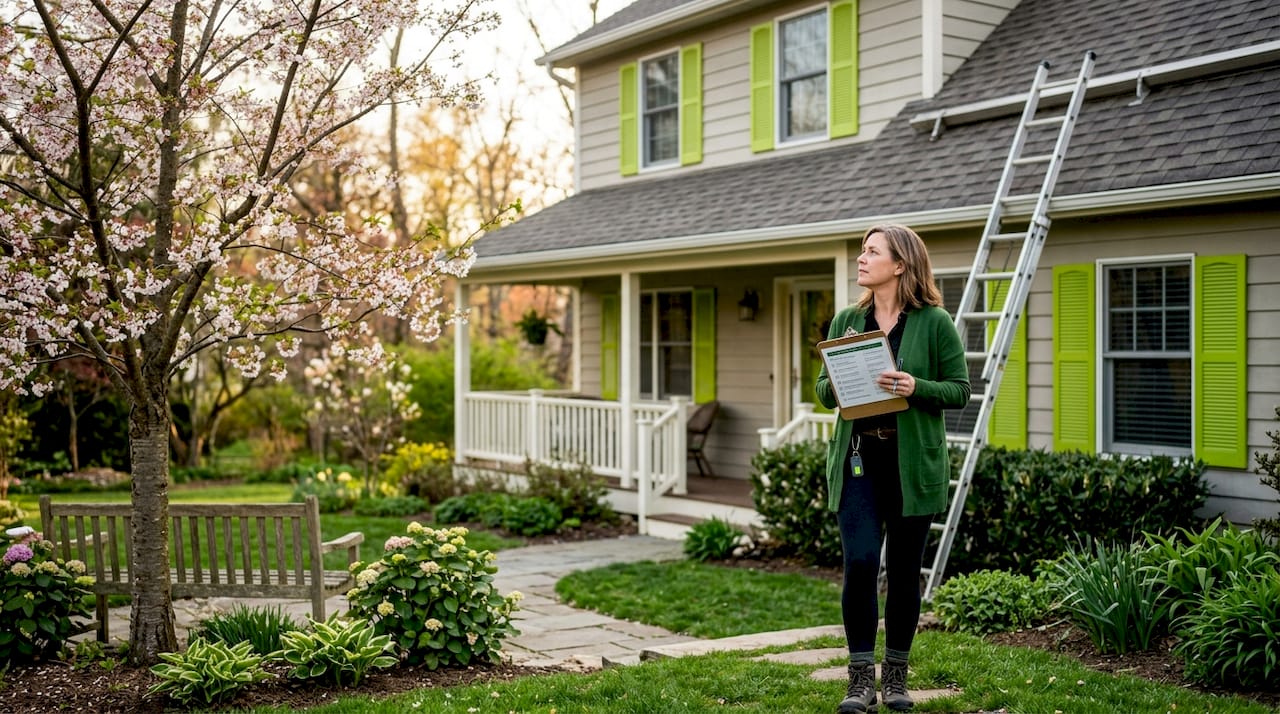
What Is a Roof Inspection? A Homeowner’s Guide
Roof inspection guide: an inspection evaluates a roof's condition, highlights common problems, and helps determine when repairs or maintenance are needed.
Last updated: August 8, 2026
A roof inspection is a systematic, documented assessment of your roof’s accessible components, designed to identify deterioration before it causes interior damage or structural failure. Most homeowners only think about their roof after a leak appears, but by then the damage is already done. Knowing what a roof inspection covers, how the process works, and when to schedule one puts you in control of your property’s long-term health. Whether you own a single-family home in Tampa or manage a commercial building, this guide walks you through everything you need to know.
What is a roof inspection and what does it cover?
A roof inspection is a professional evaluation of your roofing system’s current condition, covering both exterior surfaces and interior spaces like the attic. The National Roof Certification and Inspection Association (NRCIA) defines it as a structured process aimed at catching problems early, before they become expensive emergencies. Think of it as a physical exam for your home’s first line of defense against Florida’s heat, rain, and hurricane-season storms.
A standard inspection covers six core areas: roofing materials, flashing, drainage, ventilation, structural elements, and the attic interior. Each zone tells a different story. Damaged shingles point to weather wear. Faulty flashing around chimneys or vents is one of the most common sources of leaks. Clogged gutters cause water to back up under the roof edge, rotting the decking silently over months.
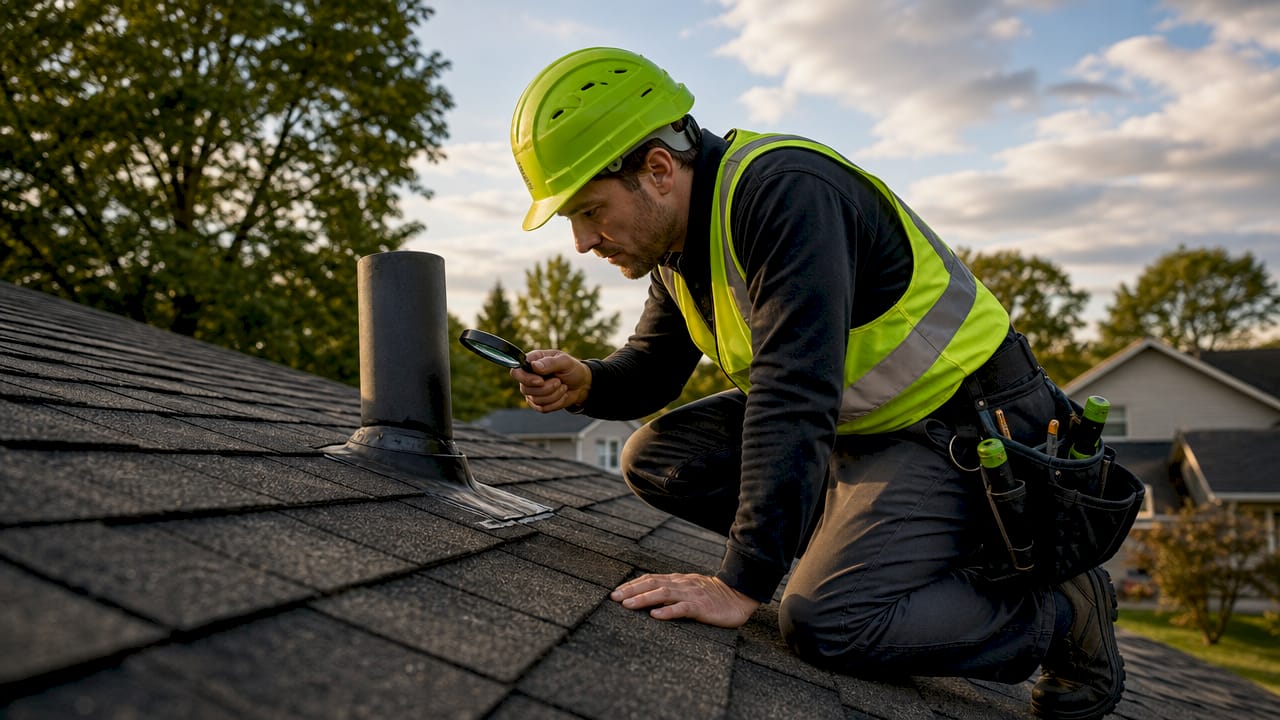
The attic check is where many inspectors earn their fee. Many roof problems first appear as interior damage signs, including staining, mold, or soft decking, that an exterior-only look would completely miss. A thorough inspector will check insulation levels, ventilation airflow, and any signs of moisture intrusion from above.
How the roof inspection process works, step by step
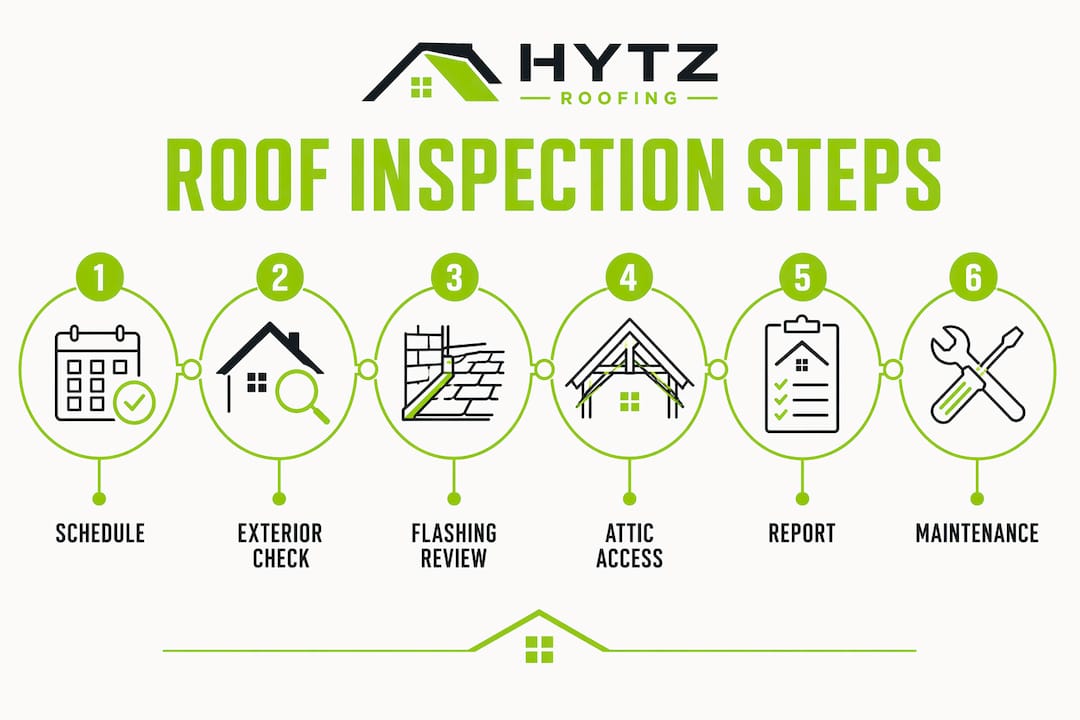
Professional residential inspections start with the exterior, then move inside to the attic and ceiling if accessible. Here is what that looks like in practice:
- Exterior surface review. The inspector examines shingles or tiles for cracking, curling, missing pieces, and granule loss. Flashing around chimneys, skylights, and vents gets checked for gaps or rust. Gutters and downspouts are assessed for blockages and proper slope.
- Structural and drainage check. The inspector looks at the roofline for sagging, uneven planes, or signs of decking failure underneath. Drainage paths are traced to confirm water moves away from the structure correctly.
- Ventilation and attic inspection. Inside, the inspector checks for adequate airflow between soffit and ridge vents, looks for moisture staining on rafters, and tests insulation for compression or water damage.
- Documentation and reporting. Every finding gets photographed and logged. A professional report is multi-page with photos, severity ratings, and repair recommendations, typically delivered within one to three business days.
Inspection methods vary based on roof type and visible issues. A standard walk-on inspection works well for routine maintenance checks. Drone imaging covers steep or fragile roofs safely. Infrared thermography locates concealed moisture that visual checks miss entirely. Choosing the right method depends on your roof’s age, recent weather events, and what your insurance carrier requires.
Most residential inspections take 45 minutes to two hours and cost between $150 and $400. Specialized methods like thermal scanning push that cost higher. That price range is a fraction of what a missed leak can cost once water reaches your drywall, insulation, or electrical systems. You can read more about the real cost of roof leaks to understand why early detection pays off.
Pro Tip: Ask your inspector specifically whether they will access the attic. If they say no without a clear reason, that is a red flag. Attic access is where hidden moisture damage, ventilation failures, and early rot get caught.
Roof inspection vs. roof certification vs. leak cause analysis
These three terms get used interchangeably, but they are not the same service. Understanding the difference protects you from paying for the wrong one.
| Service | What it is | Best used for |
|---|---|---|
| Roof inspection | Documented condition assessment of all roof components | Routine maintenance, pre-purchase, post-storm review |
| Roof certification | Formal verification of roof condition using stricter standards | Real estate transactions, insurance requirements |
| Leak cause analysis | Forensic investigation tracing the exact source of water intrusion | Active leaks, insurance claims, legal disputes |
Roof certification is a formal, unbiased evaluation using stricter standards than a quick contractor visit. It carries no sales intent, which matters when you need an honest snapshot for a home sale or insurance policy. A contractor offering a free inspection is often using it as a sales tool. That is not inherently wrong, but it is not the same as a certified, independent assessment.
A roof leak cause analysis goes further still. It is a forensic process that traces water intrusion pathways, which are often far from where the leak visibly appears. Water entering at a ridge vent can travel along a rafter and drip onto a ceiling 10 feet away. Standard inspections note the symptom. Leak cause analysis finds the origin. You need this level of detail when filing an insurance claim, preparing for litigation, or dealing with a recurring leak that previous repairs have not fixed.
Here is when each service applies:
- Routine inspection: Schedule annually or after major storms
- Roof certification: Required by many insurers and real estate buyers
- Leak cause analysis: Triggered by active leaks, disputed claims, or repeated repair failures
Why regular roof inspections matter and how often to schedule them
The importance of roof inspection comes down to one principle: small problems are cheap, big problems are not. A cracked piece of flashing costs under $200 to fix. Left alone through a Florida rainy season, that same crack can allow enough moisture into the decking to require a full section replacement costing several thousand dollars.
Insurance carriers increasingly require documented inspection records. Some Florida homeowners have had claims denied because they could not prove the damage was sudden rather than the result of long-term neglect. A regular inspection schedule creates that paper trail. It also helps you budget. Knowing your roof has three to five years of life left lets you plan a replacement on your terms, not in a panic after a storm.
How often should you schedule an inspection? Here is a practical framework:
- Annually: The baseline for any roof over five years old
- After major storms: Any hurricane, hail event, or sustained high winds warrant a post-storm check
- Before buying or selling: A certified inspection protects both parties in a real estate transaction
- Every two years: Newer roofs under five years old with no storm exposure
- Commercial properties: Twice yearly, given the larger surface area and flat or low-slope drainage challenges. For more on commercial roof inspection specifics, the process differs meaningfully from residential work.
Pro Tip: Schedule your annual inspection in late spring, before hurricane season begins in June. You will have time to address any findings before the heaviest weather arrives.
Skipping inspections does not save money. It defers costs while letting them grow. A roof that gets inspected and maintained regularly in Tampa’s climate can outlast its rated lifespan. One that gets ignored rarely does.
What to expect from your roof inspection report
A professional inspection report is your primary tool for making smart decisions about your roof. It should never be a one-page summary with vague language. Effective documentation includes multi-zone photos, detailed findings, and repair recommendations that you can hand directly to a contractor or insurance adjuster.
Here is what a quality report contains:
- Photo documentation of every deficiency found, labeled by location on the roof
- Condition ratings for each of the six core inspection zones
- Repair recommendations ranked by urgency, from immediate safety concerns to long-term maintenance items
- Remaining life estimate based on material type, age, and current condition
- Timeline for delivery of one to three business days after the inspection
The report becomes especially valuable when you are getting repair quotes. Contractors who know you have a documented inspection are less likely to upsell unnecessary work. You can compare their proposals directly against the inspector’s findings. For insurance purposes, the photo-supported report establishes a baseline condition that protects you if a future claim is disputed.
Ask your inspector these questions before they leave: What is the single most urgent issue you found? What is the estimated remaining lifespan of this roof? Are there any areas you could not access, and why?
| Report element | Why it matters |
|---|---|
| Zone-by-zone photos | Supports insurance claims and contractor alignment |
| Condition ratings | Helps prioritize repairs by urgency and budget |
| Remaining life estimate | Enables long-term financial planning |
| Repair recommendations | Gives you a scope of work to compare contractor bids against |
Key takeaways
A professional roof inspection is the most cost-effective tool a homeowner or property manager has for protecting their roof investment and avoiding emergency repair costs.
| Point | Details |
|---|---|
| Inspection scope | A complete inspection covers six zones: materials, flashing, drainage, ventilation, structure, and attic interior. |
| Cost vs. value | Inspections cost $150 to $400 and can prevent thousands in water damage repairs. |
| Inspection frequency | Schedule annually, after storms, and before any real estate transaction. |
| Certification vs. inspection | Roof certification uses stricter standards and is required for insurance and real estate purposes. |
| Report use | A photo-supported report helps you negotiate repairs, file insurance claims, and plan your budget. |
What I’ve learned after years of watching roofs get ignored
I have seen the same pattern repeat itself more times than I can count. A homeowner skips the annual inspection because the roof looks fine from the driveway. Then a summer storm rolls through Tampa, and suddenly there is water in the master bedroom ceiling. The inspector comes out, finds flashing that has been separating for two years, and the repair bill includes not just the flashing but the rotted decking underneath and the drywall inside.
The frustrating part is that none of that interior damage was inevitable. A $200 inspection the previous spring would have caught the flashing issue for a $150 fix. Instead, the total bill lands closer to $3,000.
What I find most homeowners do not realize is that free inspections from contractors are not the same as certified assessments. Free inspections often serve as sales tools, and there is nothing wrong with that, but they are not designed to give you an unbiased picture. When you need documentation for an insurance claim or a home sale, only a certified inspection from a credentialed professional holds up.
My honest advice: treat your roof the same way you treat your car. You would not skip oil changes and wait for the engine to fail. The same logic applies here. Schedule the inspection, read the report, and act on the findings before Florida’s weather does it for you.
— Anthony
Get a certified roof inspection from Hytzroofing
If you are ready to know exactly where your roof stands, Hytzroofing is one of the most credentialed roofing contractors in Florida. As a GAF Master Elite® Contractor in Tampa, Hytzroofing holds a designation earned by fewer than 2% of roofing contractors across North America. Add the GAF President’s Club Award, the 2024 Brava Roof Tile Excellence Award, the Angi Super Service Award 2025, and a BBB A+ rating, and you have a team that backs every inspection with real credentials. Whether you need a routine annual check, a post-storm assessment, or a certified report for an insurance claim, Hytzroofing delivers documented, photo-supported inspections you can act on. Contact us today to schedule your inspection.
FAQ
What is a roof inspection, exactly?
A roof inspection is a structured, documented evaluation of your roof’s condition covering exterior surfaces, flashing, drainage, ventilation, and the attic interior. The goal is to identify damage and maintenance needs before they cause serious or costly problems.
How much does a roof inspection cost?
Most residential roof inspections cost between $150 and $400, depending on roof size, pitch, and inspection method. Specialized methods like infrared thermography or drone imaging increase the cost.
Do I need a roof inspection if my roof looks fine?
Yes. Many serious roof problems, including moisture in the decking, failing flashing, and ventilation issues, are not visible from the ground. A professional inspection catches what you cannot see.
How is a roof inspection different from roof certification?
A roof inspection documents current condition and identifies issues. Roof certification is a formal, unbiased verification using stricter standards, typically required for insurance policies or real estate transactions.
How often should I schedule a roof inspection?
Schedule an inspection annually for roofs over five years old, after any major storm, and before buying or selling a property. Commercial properties benefit from twice-yearly inspections given their larger surface area and drainage complexity.
Recommended
- Weathering the Storm Expert Tips for Roof Leak Repair in Tampa Fl
- GAF Master Elite Roofer in Tampa, FL | Hytz Roofing
- Introducing Enviroshake to Your Hoa
- Types of Roof Repairs Florida Homeowners Need Most
Related Hytz Roofing Services