What Is a Partial Roof Repair? A 2026 Homeowner Guide
Partial roof repair addresses localized roof damage by repairing or replacing only the affected materials rather than performing a full roof replacement.
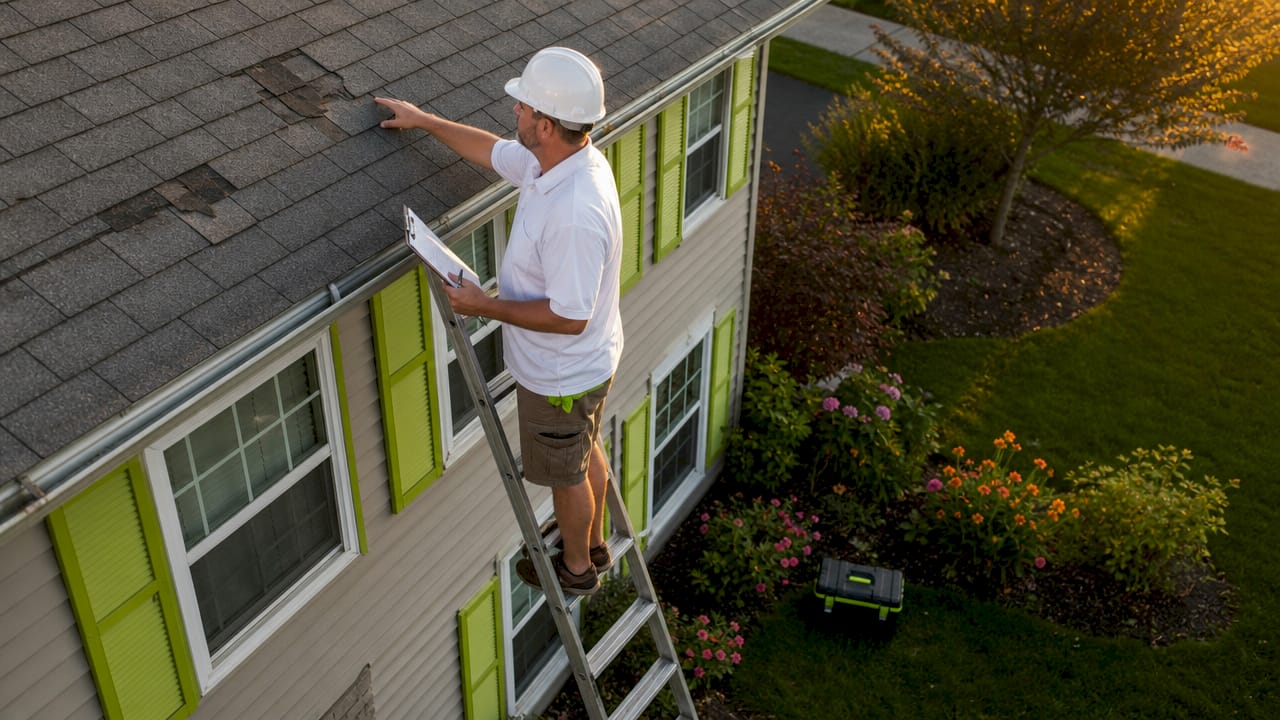
A partial roof repair is defined as the targeted replacement or rehabilitation of only the damaged section of a roofing system, leaving the undamaged areas intact. This approach applies when damage is isolated, such as after a storm strips shingles from one slope or a fallen branch cracks a section of decking. The industry also calls this a “partial roof replacement” when the scope covers a full slope or larger zone. For homeowners weighing their options, understanding what a partial roof repair involves can mean the difference between a smart, cost-saving fix and a costly short-term patch that delays an inevitable full replacement.
What is a partial roof repair, and when does it apply?
A partial roof repair targets a specific damaged zone rather than the entire roof surface. It covers work on shingles, underlayment, flashing, and sometimes the decking beneath, but only in the affected area. The rest of the roof stays untouched.
Partial repairs are recommended for roofs less than 10–15 years old with isolated damage. Older roofs typically show widespread wear across the entire surface, making a targeted fix less practical and less cost-effective.
The most common triggers for this type of repair include:
- Storm damage that strips shingles from one slope while the rest of the roof remains sound
- Localized leaks traced to failed flashing around a chimney, skylight, or vent pipe
- Fallen branches that crack or puncture a specific section of decking
- Hail impact concentrated on one side of the roof due to storm direction
Pro Tip: Before calling a contractor, check your attic after a storm. Water stains on the sheathing pinpoint the leak source and help you describe the damage accurately, which speeds up the inspection process.
One factor that limits repair viability is material availability. If your original shingles are discontinued or have faded significantly from UV exposure, matching roofing materials becomes difficult. A visible color mismatch can affect curb appeal and resale value, which is worth factoring into your decision before committing to a partial fix.
How to perform a partial roof repair: the step-by-step process
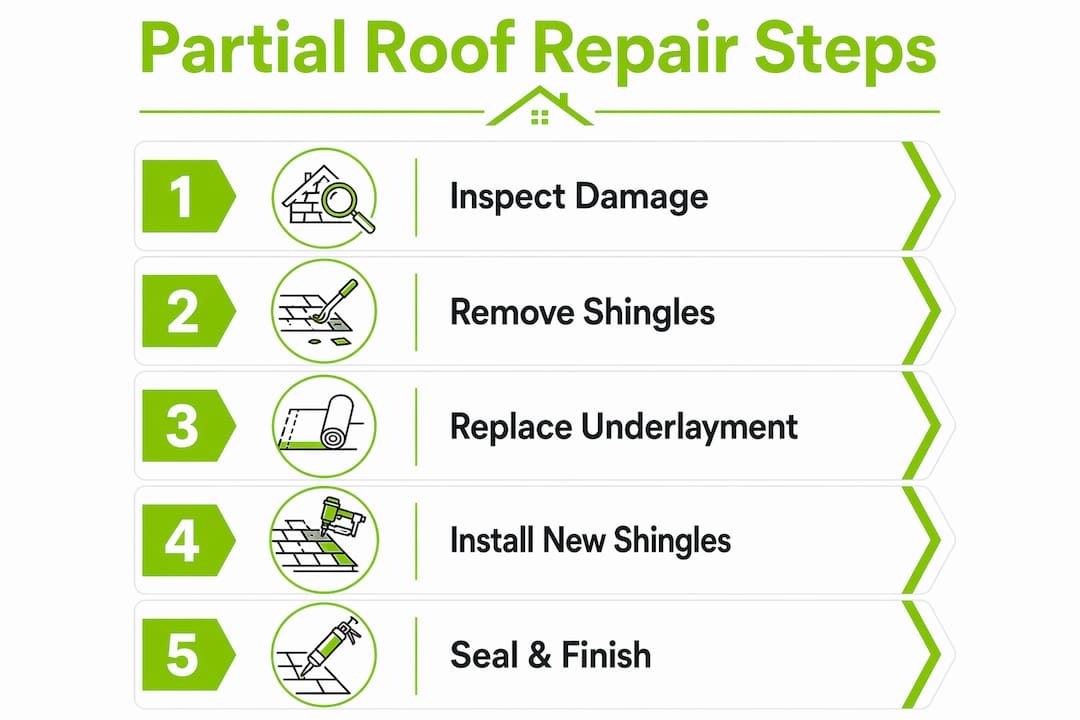
A professional partial roof repair follows a clear sequence. Knowing what to expect helps you evaluate contractor proposals and spot shortcuts.
- Inspection and damage assessment. A qualified roofer examines the affected area from both the exterior and the attic. This step identifies not just the visible damage but also any compromised decking or wet insulation beneath the surface.
- Removal of damaged shingles and underlayment. The contractor strips the broken or missing shingles and pulls back the underlayment to expose the decking below. Cutting corners here leads to hidden moisture problems later.
- Decking and flashing evaluation. The exposed decking gets checked for rot, soft spots, or structural weakness. Flashing around penetrations is inspected and replaced if it shows corrosion or separation. This step is where improper sealing or flashing integration can void manufacturer warranties if done incorrectly.
- Installation of matching materials. New shingles, underlayment, and flashing go in. The contractor works to match the existing material as closely as possible in color, profile, and weight.
- Waterproofing and final quality check. Seams and edges get sealed. The contractor checks for proper overlap, nail placement, and flashing integration. Learning about the roof waterproofing process helps you ask the right questions at this stage.
- Cleanup and timeline. Small repairs take 1–2 hours. Larger section replacements covering a full slope typically take 1–3 days. Most partial repairs finish within a single day, keeping disruption minimal.
Pro Tip: Ask your contractor to photograph the decking before they install new materials. That documentation protects you if a warranty claim arises later and proves the underlying structure was sound at the time of repair.
Partial repair vs. full replacement vs. minor repair
These three options differ in scope, cost, and long-term impact. Choosing the wrong one costs more in the end.
A minor repair fixes a handful of shingles or reseals a single flashing joint. It takes an hour and costs a few hundred dollars. A partial roof repair addresses a larger zone, such as one full slope or a section damaged by hail. A full replacement removes and reinstalls the entire roofing system.
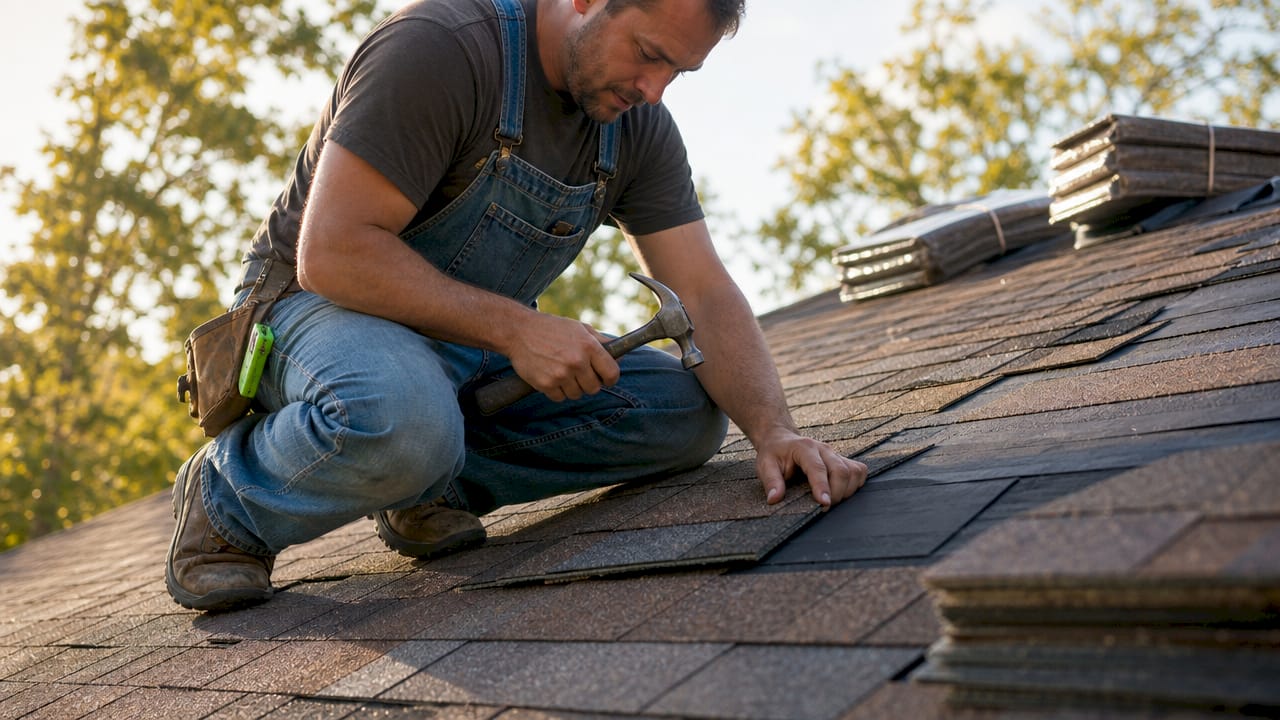
Partial roof replacement removes and rebuilds a larger section than a minor repair, typically replacing an entire slope or area affected by hail or leaks. The distinction matters because the labor, material volume, and warranty implications all shift significantly between the three options.
| Repair type | Typical scope | Relative cost | Lifespan impact |
|---|---|---|---|
| Minor repair | 1–5 shingles, single flashing | Lowest | Minimal extension |
| Partial repair | One slope or defined zone | Moderate | Extends remaining life |
| Full replacement | Entire roof surface | Highest | Full new roof lifespan |
Key trade-offs to weigh before deciding:
- Warranty coverage. Full replacements typically come with new manufacturer and workmanship warranties. Partial repairs may leave the rest of the roof under an aging or voided warranty.
- Aesthetic consistency. New shingles rarely match weathered ones perfectly. A patchy appearance is a real risk, especially on visible slopes facing the street.
- Future labor costs. If the rest of the roof fails within a few years, you pay for labor twice.
Partial roof repair cost: what to expect and when it makes sense
Partial roof repair costs vary based on the size of the damaged area, the roofing material, and local labor rates in markets like Tampa, Florida. Asphalt shingle repairs cost less than tile or metal. Steep slopes and difficult access add to the price.
The clearest cost guideline is the 50% rule. If partial repair costs approach 50% of what a full replacement would cost, the full replacement is usually the better investment. You avoid duplicate labor charges and get a complete new system with a fresh warranty.
The benefits of partial roof repair are real when the math works in its favor:
- Immediate cost savings compared to full replacement, freeing up budget for other home priorities
- Faster completion, often within a single day, with minimal disruption to your household
- Targeted protection that stops active leaks and prevents water from reaching the decking, insulation, and interior ceilings
- Property value protection, since unaddressed roof leaks can cause far more expensive structural damage over time
Partial repairs save money and prevent water damage but do not replace the entire aging system. Plan your budget with the understanding that a full replacement may still be needed within a few years if the rest of the roof is aging.
Common pitfalls and expert advice for partial repair decisions
The biggest mistake homeowners make is treating a partial repair as a permanent solution on an aging roof. A repair extends the remaining useful life of the repaired section. It does not reset the aging clock on the rest of the roof.
Watch out for these specific risks:
- Warranty voidance. Faulty repairs, especially improper flashing or sealing, risk voiding manufacturer warranties on the entire roof. Always use a licensed contractor who follows manufacturer installation guidelines.
- Hidden damage. Surface shingles can look fine while the decking beneath is rotting. A thorough inspection that includes the attic is non-negotiable before any repair work begins. Knowing how to identify roof leaks before calling a contractor helps you communicate the problem clearly.
- Material mismatch. UV fading and manufacturer discontinuation mean new shingles rarely match old ones exactly. On a street-facing slope, this affects curb appeal and can raise questions during a home sale.
- Repeated labor costs. Partial repairs nearing half the cost of replacement often represent poor investments because they lead to duplicate labor charges when the rest of the roof eventually fails.
Pro Tip: Get a written scope of work before any repair starts. It should specify the materials being used, the area being repaired, and what warranty coverage applies to the new work. This protects you from disputes and undocumented shortcuts.
For Tampa homeowners dealing with storm damage, reviewing expert tips for roof leak repair helps you understand what a thorough repair process should look like before you sign anything.
Key Takeaways
Partial roof repair is cost-effective for isolated damage on roofs under 15 years old, but it extends remaining life rather than replacing the full aging system.
| Point | Details |
|---|---|
| Age threshold matters | Roofs under 10–15 years old are the best candidates for partial repair. |
| The 50% cost rule | If repair costs approach 50% of full replacement, choose full replacement instead. |
| Warranty risk is real | Improper flashing or sealing can void manufacturer warranties on the entire roof. |
| Material matching is a challenge | UV fading and discontinued products often cause visible color mismatches post-repair. |
| Repairs extend, not reset, lifespan | A partial repair buys time but does not eliminate the need for eventual full replacement. |
What I’ve learned about partial repairs after years on Florida roofs
Florida roofs take a beating that most homeowners underestimate. After years of working on roofs across Tampa and surrounding areas, the pattern I see most often is this: a homeowner gets a partial repair done by the lowest bidder, the work looks fine for a season, and then the adjacent undamaged section starts failing because the original inspection was too shallow.
The honest truth is that a partial repair is only as good as the inspection that precedes it. If a contractor shows up, replaces the obvious shingles, and leaves without checking the attic or the flashing at every penetration, you have not fixed the problem. You have covered it.
My advice is to treat the inspection as the most important part of the job. A good contractor will spend as much time assessing as they will repairing. If someone is on your roof for 20 minutes and hands you a quote, that is a red flag. The GAF Master Elite® designation exists precisely because it filters out contractors who cut corners on process. Fewer than 2% of North American roofing contractors earn that status, and it reflects a commitment to doing the inspection and the repair correctly the first time.
The other thing I tell homeowners is to plan ahead. A partial repair on a 12-year-old roof is a reasonable bridge. But go into it knowing you are likely 3–5 years from a full replacement. Budget accordingly, and do not let a repair lull you into thinking the whole roof is healthy.
— Anthony
Hytzroofing is ready to assess your roof
Knowing what a partial roof repair involves is the first step. Getting an honest assessment from a qualified contractor is the next one.
Hytzroofing holds the GAF Master Elite® Contractor designation, earned by fewer than 2% of roofing contractors across North America. That means every inspection follows a rigorous process, and every repair recommendation is backed by manufacturer-level expertise. Whether you need a targeted fix or a full replacement, Hytzroofing gives you a clear, honest answer. Check out the completed roofing projects to see the quality of work firsthand, or review the full range of professional roofing services available for both residential and commercial properties. Use the roof repair cost guide to understand pricing before your estimate.
FAQ
What does a partial roof repair involve?
A partial roof repair involves removing damaged shingles, underlayment, and flashing in a specific zone, repairing or replacing the underlying decking if needed, and installing matching new materials with proper waterproofing.
How much does a partial roof repair cost?
Partial roof repair cost varies by material, slope, and damage size. If the repair price approaches 50% of a full replacement, a full replacement is typically the better investment.
Can a partial roof repair void my warranty?
Yes. Improper flashing integration or incorrect sealing during a partial repair can void the manufacturer warranty on the entire roof, so using a licensed, certified contractor is critical.
How long does a partial roof repair take?
Small repairs take 1–2 hours. Larger section replacements covering a full slope typically take 1–3 days, with most jobs completed within a single day.
Is a partial repair worth it on an older roof?
Partial repairs work best on roofs under 10–15 years old with isolated damage. On older roofs with widespread wear, a full replacement delivers better long-term value.
Recommended
- Weathering the Storm Expert Tips for Roof Leak Repair in Tampa Fl
- GAF Master Elite Roofer in Tampa, FL | Hytz Roofing
- Introducing Enviroshake to Your Hoa
- Types of Roof Repairs Florida Homeowners Need Most
Related Hytz Roofing Services