Recover $7,000–$8,000: Tampa Bay Roof Claim Supplements With Xactimate

A roof claim supplement is a follow-up, itemized request that revises an insurance company’s original claim estimate to include costs the first inspection missed. It matters because initial adjuster estimates routinely leave out code-required materials and hidden damage, and industry data shows supplements recover an average of $7,000 to $8,000 per claim that would otherwise come out of the homeowner’s pocket or the contractor’s margin.
TL;DR:
- Most initial roof estimates exclude key code-required materials and hidden damage, with supplements recovering an average of $7,000 to $8,000 per claim.
- Filing a supplement requires a detailed comparison, timestamped photos, and proper documentation within the open scope, ideally before the roof is covered with new materials.
- Commonly missed items include drip edges, ice and water shield, ridge vents, and hidden damages like decking or flashing, which are often code-driven and non-negotiable.
- Supplements are typically processed within 14 to 30 days if thoroughly documented, with faster approval rates when accompanied by clear photos, code references, and accurate pricing.
- Denials often stem from vague evidence or incomplete packages; addressing specific deficiencies and resubmitting with detailed proof increases chances of approval.
Table of Contents
- What Is a Roofing Insurance Supplement?
- Why Initial Insurance Estimates Come Up Short
- Common Line Items and Code-Driven Costs Missed on the First Pass
- The Step-by-Step Supplement Process
- Documentation Checklist: What Turns a Supplement Into an Approved Line Item
- How Long Does a Roof Claim Supplement Take?
- What to Do If a Supplement Is Denied or Only Partially Paid
- Should You Handle Supplements In-House or Outsource Them?
- Practitioner Notes From Hytz Roofing
- Why Supplements Should Be Standard, Not Exceptional
- Get a Local Supplement Review From Hytz Roofing
- Sources
- FAQ
What Is a Roofing Insurance Supplement?
A supplement is not a new claim, and it is not a dispute in the legal sense. It is a line-item addition to a claim that has already been approved, submitted after a contractor finds damage or code requirements the original estimate didn’t capture.
Think of the first adjuster estimate as a rough draft. Once a roofing contractor tears into the job and sees what’s actually under the shingles or tile, the real scope of work often looks different from what got approved on paper. That gap gets closed through a supplement, not through starting over.
A few things a supplement is not:
- Not a re-inspection. A re-inspection is when the carrier sends someone back out to look at the roof again, usually because you’re contesting their damage assessment, not adding scope.
- Not an appraisal. Appraisal is a formal dispute-resolution process, typically used when negotiation has stalled entirely.
- Not fraud. Carriers expect supplements and have entire teams dedicated to reviewing them, according to industry claims-processing guides.
Supplements are simply how the claims system corrects for the fact that nobody can fully scope a damaged roof from the ground or from a satellite image.
Why Initial Insurance Estimates Come Up Short
Most adjusters aren’t trying to shortchange anyone. They’re working through a caseload after a hailstorm or hurricane, and speed becomes the priority over completeness.
Several structural factors push initial estimates below the real cost of repair:
- Time pressure. After a major Tampa Bay storm event, adjusters may handle dozens of claims a week, leaving little time for a thorough “scope the loss” walkthrough.
- Remote inspection methods. Aerial and satellite imagery, or a quick ground-level look, can’t detect rotted decking, compromised underlayment, or damaged flashing hidden beneath shingles or tile.
- Limited code expertise. Adjusters are trained to assess damage and value, not to know the specifics of the Florida Building Code or manufacturer installation manuals that dictate what must be replaced.
- Software defaults. Estimating platforms like Xactimate default to generic line items and regional price averages unless someone manually corrects them for local permit requirements and current material costs.
The result is an estimate that might be accurate for a simple, uncomplicated roof, but falls short the moment tear-off reveals real conditions. That’s the entire reason the supplement process exists.
Common Line Items and Code-Driven Costs Missed on the First Pass
Some items get left off nearly every initial estimate, and a lot of them tie directly back to Florida Building Code requirements rather than storm damage itself. Knowing which ones show up most often helps you spot a thin estimate before work even starts.
| Line Item | Why It Gets Missed | Typically Code-Driven? |
|---|---|---|
| Drip edge | Often omitted from older estimate templates | Yes |
| Ice & water shield | Frequently underestimated in square footage | Yes, in many jurisdictions |
| Starter strip | Assumed to be included in shingle bundle pricing | No, hidden-damage related |
| Step flashing | Requires close-up inspection to verify condition | No, hidden-damage related |
| Ridge vent | Ventilation upgrades often skipped in quick estimates | Yes, per manufacturer specs |
| Decking replacement | Only visible once old roofing is torn off | No, hidden-damage related |
| Waste/disposal fees | Regional pricing defaults run low | No |
| Steep-slope charges | Pitch complexity underestimated from imagery | No |
| Overhead & profit (O&P) | Sometimes reduced or omitted for smaller claims | No |
Code-driven items like drip edge, ice and water shield, and ridge ventilation aren’t negotiable extras. They’re requirements under current building code, and a licensed contractor should cite the exact section when adding them to a supplement. The hidden-damage items, like decking and step flashing, only become visible once the roof is open, which is exactly why timing your documentation matters so much.
The Step-by-Step Supplement Process
Filing a supplement isn’t complicated, but skipping a step is how good claims get denied for bad reasons. Here’s the sequence that works.
- Compare the carrier estimate to your actual scope, line by line. Print both documents side by side and mark every discrepancy, from missing materials to wrong quantities.
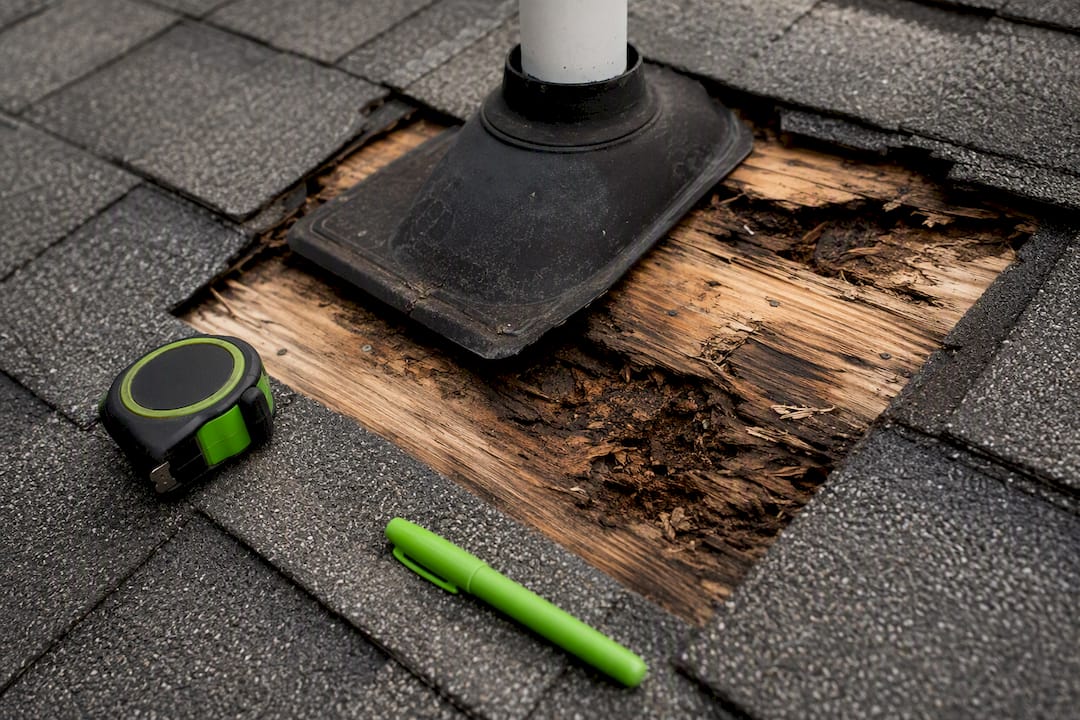
- Document the discovery. Take timestamped, geotagged photos the moment you find the gap, whether that’s rotted decking or missing drip edge from the last reroof.
- Build the supplement package. Most contractors use Xactimate to generate line items in the carrier’s own format, paired with a short cover letter explaining each addition and why it’s necessary.
- Submit it properly. Send the package through the carrier’s claims portal or a documented email, always referencing the claim number, and confirm the carrier received it.
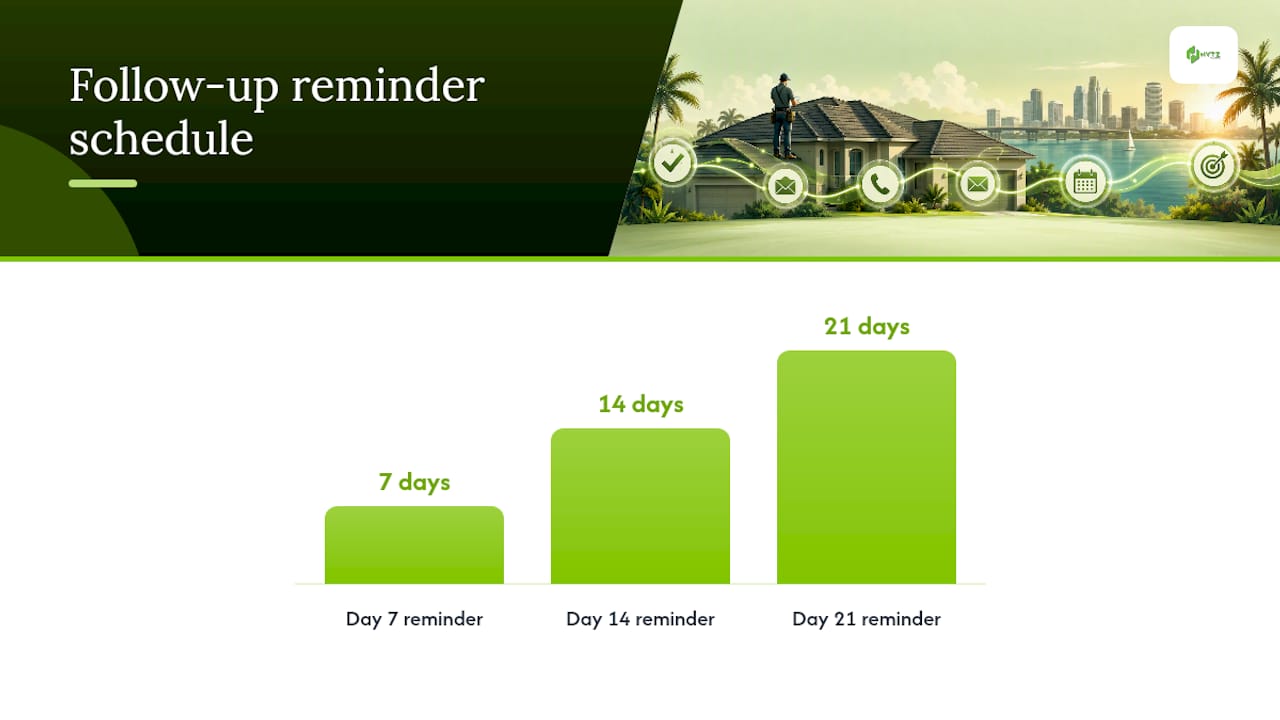
- Track and follow up. Set calendar reminders at day 7, 14, and 21 to check status, and be ready for a possible re-inspection request.
Pro Tip: Submit your supplement while the roof is still torn open. Once decking is covered by new underlayment and shingles, the carrier has nothing to look at but your word. Photos of exposed rot are nearly impossible to argue with; a supplement filed after the job is finished is a much harder sell.
This sequence works whether you’re a contractor filing on a homeowner’s behalf or a homeowner working alongside your roofer to make sure nothing gets left on the table.
Documentation Checklist: What Turns a Supplement Into an Approved Line Item
The single biggest factor separating a paid supplement from a denied one is whether every added line item connects to specific, verifiable evidence. Vague claims get vague responses. Specific claims get approved.
Here’s what belongs in the package:
- Photos in pairs: one close-up of the damage, one wide context shot showing where it sits on the roof.
- Timestamps and geotags embedded in the image metadata, not just a note in the file name.
- Code citations referencing the exact Florida Building Code section or manufacturer installation manual that requires the added item.
- Supplier invoices and current price sheets showing what materials actually cost right now, not what a generic price list assumed six months ago.
- Xactimate codes attached to each item so the carrier’s reviewer can process it in the same software they already use.
Label every photo with the line item it supports. A folder of forty unsorted images slows down a reviewer and increases the odds of a partial denial. Well-documented supplements see approval rates near 89%, while thin packages get bounced back or ignored.
Pro Tip: Name your photo files to match your line items exactly, like “decking_rot_bathroom_vent.jpg.” It sounds small, but adjusters process hundreds of these packages, and clarity earns faster approvals.
How Long Does a Roof Claim Supplement Take?
Most carriers respond to a supplement within 14 to 30 days, though the exact window depends on the carrier’s internal workload and your state’s regulatory requirements.
Statistic: Well-documented supplements process faster and get approved at significantly higher rates than packages missing photos, code citations, or itemized pricing.
A few things affect that timeline directly:
- NAIC guidance expects insurers to acknowledge claim communications promptly, though exact acknowledgment windows vary by state insurance regulations.
- Proof-of-loss requirements can require formal documentation within 60 days of a carrier’s request, so don’t let paperwork sit.
- Early submission helps. Supplements filed during tear-off, while damage is still visible, tend to move through review faster than ones filed after the job wraps.
If you haven’t heard back after 30 days, it’s time to follow up in writing and reference your original submission date.
What to Do If a Supplement Is Denied or Only Partially Paid
A denial isn’t the end of the road, and it usually isn’t personal. Most denials fall into one of two categories: a specific, line-item reason, or a generic boilerplate rejection that doesn’t actually address your evidence.
Read the denial letter carefully before deciding your next move:
- Line-item denials tell you exactly what’s missing, whether that’s a code citation or a clearer photo, so fix that specific gap and resubmit.
- Boilerplate denials (“insufficient evidence”) often succeed on resubmission once you add the missing documentation, according to claims-resolution guidance.
- Request a re-inspection when you believe the adjuster simply didn’t see the damage in person.
- Invoke appraisal when negotiation has genuinely stalled and both sides disagree on value, not just line items.
- Bring in a public adjuster or file a state complaint if you suspect bad-faith handling, though this should be a later step, not a first response.
If your claim was recently denied in Florida, our guide on what to do next walks through the specific steps for local homeowners.
Should You Handle Supplements In-House or Outsource Them?
For contractors, this comes down to volume and available expertise, not preference alone.
- Flat fee or staff hire makes sense once you’re processing roughly 10 or more supplement claims a month.
- Percentage-based third-party services or licensed independent adjusters often recover more per claim through specialized negotiation, though they take a cut of the recovery.
- Software-only approaches (Xactimate templates without dedicated staff) work for lower volume but rely heavily on someone internally who already knows code citations cold.
- Homeowners vetting a contractor should ask directly: do they use Xactimate, do they photograph tear-off before covering it, and can they show a past supplement they got approved?
There’s no universal right answer here, but a contractor with a documented, repeatable supplement process is a contractor worth trusting with your claim.
Practitioner Notes From Hytz Roofing
We treat every insurance job in Tampa Bay the same way: assume the first estimate is incomplete until tear-off proves otherwise. Our crews photograph decking, flashing, and underlayment conditions before a single new shingle goes down, because that window closes fast once the job moves forward.
A few specifics from our field process:
- We build supplements in Xactimate so the format matches what the carrier’s reviewers already use.
- Florida permit timing matters. Many Tampa Bay municipalities require code-compliance documentation before final inspection, which is exactly when missed line items like ice and water shield surface.
- We cite the specific Florida Building Code section, not a general reference, on every code-driven addition.
As a GAF Master Elite® Contractor, a distinction held by fewer than 2% of roofing contractors in North America, we’ve built our supplement process around the same documentation discipline that earns manufacturer certifications in the first place.
Being licensed under Florida Contractor License #CCC1332551, fully insured, and BBB accredited with an A+ rating isn’t just paperwork. It’s the credibility that makes a supplement package harder for a carrier to wave off.
Why Supplements Should Be Standard, Not Exceptional
I think the biggest misconception homeowners carry into a claim is that asking for a supplement makes you look difficult, or worse, makes you look like you’re trying to pull something over on the insurance company. That fear is backwards. A supplement protects you from covering code-required costs out of pocket, and it protects a contractor’s margin from absorbing scope that was never priced into the original bid. Good documentation, not aggressive negotiation, is what makes the difference between an approved supplement and a denied one.
— Anthony
Get a Local Supplement Review From Hytz Roofing
Hytz Roofing is the alternative to guessing whether your insurance check actually covers the real cost of your roof. We handle the entire supplement process locally in Tampa Bay from the initial inspection through Xactimate documentation and carrier follow-up, so you’re not stuck deciphering adjuster paperwork alone.
Our team performs on-site inspections, builds supplements using the same Xactimate format carriers expect, coordinates permits with local building departments, and supports re-inspections when a claim gets denied or underpaid. If you’ve already got a claim number in hand and suspect your estimate is missing code-required items, we’ll review it and tell you honestly whether a supplement is worth pursuing.
Request a certified roof inspection and insurance claim review with Hytz Roofing, and if a storm caused the damage in question, our storm damage restoration team can walk the roof with you the same week.
Sources
For readers who want to go deeper on the regulatory and technical side, the NAIC publishes model rules on claim-handling timelines, and the ICC code database holds the building-code sections referenced in most supplement citations. Industry explainers from IA Solutions and JustClaims cover documentation and Xactimate practices in more technical detail.
- Roofing Insurance Supplements: The Complete 2026 Guide for Contractors (From Licensed Independent Adjusters)
- What Are Roofing Supplements? The Complete Guide for Contractors | HailMate Blog
- Roofing Supplements: Maximize Insurance Claims in 2026 | JustClaims
- How to Supplement a Roof Claim: Steps and Deadlines - LegalClarity
- Naic
FAQ
How Do You Supplement a Roof Claim?
Compare your contractor’s scope against the carrier’s approved estimate, document every discrepancy with photos and code citations, then submit an itemized package, usually built in Xactimate, through the carrier’s claims portal along with your claim number.
What Should You Avoid Saying to a Roof Insurance Adjuster?
Avoid guessing at cause or cost, admitting uncertainty about pre-existing damage, or agreeing verbally to a scope before your contractor has reviewed the estimate line by line.
What Is the 25% Rule for Roofing?
Roofing codes and manufacturer guidelines in many jurisdictions require that if roughly 25% or more of a roof section needs repair, the entire slope or section may need to be brought up to current code, which is a common trigger for supplement line items.
What Is a Supplement in Roofing?
A roofing supplement is an itemized amendment to an already-approved insurance estimate, covering code-required materials or hidden damage discovered once tear-off begins, not a brand-new claim.