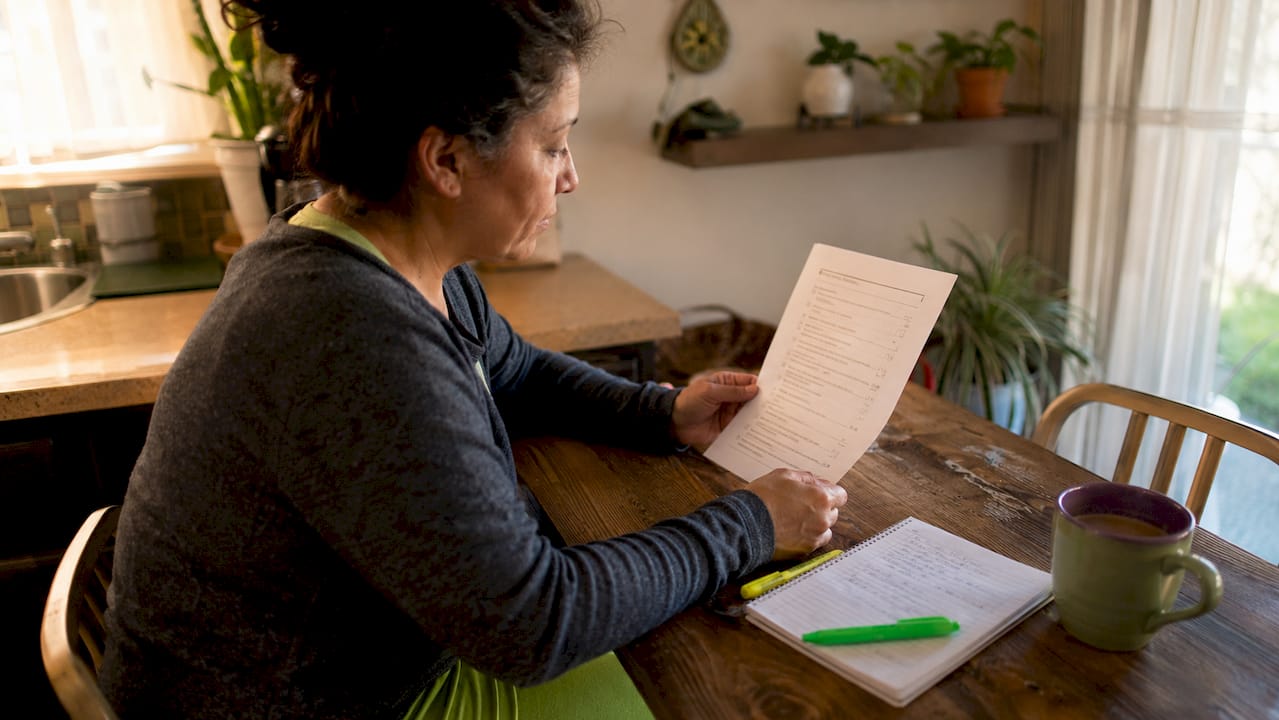
Florida Roofing Contractor Hiring Checklist for Homeowners
Florida roofing contractor checklist outlines steps to verify licenses, insurance, references, and written contract terms before hiring a roofer.
Last updated: August 8, 2026
A roofing contractor hiring checklist for Florida homeowners is a structured verification process covering license status, insurance proof, permit responsibility, contract terms, and post-installation documentation. Florida’s hurricane exposure, strict building codes, and unique insurance environment make this checklist more demanding than what homeowners in other states typically face. Skip any step and you risk hiring an unlicensed operator, losing insurance credits, or owning a roof that fails its final inspection. This guide walks you through every checkpoint, in order, so you hire with confidence and protect your home investment from day one.
1. Verify the contractor’s Florida license and insurance first
License and insurance verification are the non-negotiable first steps in any Florida roofing contractor guide. Every other evaluation point assumes you have already confirmed these two items in writing.
Florida requires roofing contractors to hold either a CCC (Certified Roofing Contractor) license or a valid local roofing registration. The CCC designation is the statewide standard and the one most homeowners should look for. Use the Florida DBPR license check at myfloridalicense.com to confirm the contractor’s license shows “Current, Active” status with the correct license type. Also check for any disciplinary history or open complaints. A clean record matters as much as an active license.

Once you confirm the license, request insurance certificates for both general liability and workers’ compensation. Do not accept the certificate at face value. Call the insurer directly to confirm the policy is current and covers roofing work at your property. This one phone call eliminates the risk of an uninsured contractor leaving you liable for a job-site injury.
Pro Tip: Ask the contractor to have their insurer send the certificate of insurance directly to your email address. This confirms the document is real and not a doctored copy.
2. Confirm permit responsibility in writing
Who pulls the permit is one of the most important questions you can ask a Florida roofing contractor. The answer should always be the contractor, not you.
Florida law requires permits for most roofing replacements and significant repairs. Permit responsibility must be confirmed in writing before work begins, because ambiguity here causes delays, failed inspections, and compliance problems that fall on the homeowner. The contractor should also commit in writing to attending all required inspections and providing you with the final permit close documentation when the job is complete.
A contractor who suggests you pull the permit yourself, or who is vague about inspection attendance, is a red flag. Unlicensed operators often push permit responsibility onto homeowners to avoid scrutiny. Legitimate contractors handle this process routinely and without hesitation.
3. Review every line of the contract before signing
A roofing contract in Florida must include the contractor’s full legal business name, valid Florida license number, and physical business address. These three items alone tell you whether you are dealing with a real, accountable company or a storm-chasing operation with a P.O. box.
Beyond identification, the contract must detail the full scope of work, including tear-off, disposal, underlayment type, roofing materials with manufacturer names and model numbers, flashing specifications, and cleanup. Vague scope language like “install new roof” is not acceptable. Every line item should be spelled out so there is no dispute about what was agreed.
Payment schedule norms in Florida run roughly 10 to 20% at signing, a progress payment at material delivery or midpoint, and the final balance only after the permit closes and you have inspected the finished work. Warranty terms and lien waiver provisions should also appear in the contract. A lien waiver protects you from subcontractor claims against your property after you have paid the general contractor.
Pro Tip: Never pay the full contract amount upfront, and never release the final payment before the permit is officially closed. These two rules alone prevent the most common Florida roofing payment disputes.
4. Check references with permit details
Asking for references is standard advice. Asking for references that include permit numbers and the issuing jurisdiction is the Florida-specific version that actually filters out bad actors.
Local references with permit details confirm that the contractor completed legitimate, inspected work in your area, not just in a neighboring county or out of state. When you call references, ask three specific questions: Was the permit closed on time? Did the inspector pass the work on the first visit? Would you hire this contractor again for a project requiring permits?
Recent local experience also signals familiarity with your county’s specific inspection requirements, which vary across Florida. A contractor who regularly works in Hillsborough County, for example, knows the local inspector’s standards and timelines. That familiarity reduces the chance of failed inspections and project delays.
5. Request Florida Product Approval numbers for all materials
Florida Building Code requires that roofing materials carry a Florida Product Approval (FPA) number, confirming they have been tested and approved for use in the state. For homes in the High Velocity Hurricane Zone (HVHZ), which covers Miami-Dade and Broward counties, the standards are even stricter.
Request the FPA numbers for every roofing component the contractor proposes, including shingles, underlayment, and fasteners. Then verify those numbers on the Florida Building Code product approval database at floridabuilding.org. This takes about five minutes and confirms the materials are currently approved and rated for your wind zone.
If a contractor cannot provide FPA numbers or seems unfamiliar with the requirement, that is a serious warning sign. Using non-approved materials can void your manufacturer warranty, fail inspection, and leave your home underinsured after a storm. For homeowners exploring roofing material options beyond standard asphalt shingles, FPA verification is equally critical for synthetic and tile products.
6. Watch for assignment of benefits language in contracts
Florida law now limits post-loss assignments of benefits (AOB), but some contracts still contain language that transfers your insurance claim rights to the contractor. Avoid contractors who pressure for AOB agreements or who make insurance claim management a condition of hiring them.
AOB arrangements remove you from the claims process and can result in inflated invoices, disputed settlements, and legal complications you did not anticipate. A legitimate contractor helps you understand your insurance claim. They do not take it over. Read every contract paragraph before signing, and have an attorney review any language you do not understand.
7. Schedule a wind mitigation inspection after project completion
Wind mitigation inspections are often misunderstood as a routine post-construction formality. They are actually a documented assessment of your roof’s hurricane-resistance features that qualifies you for insurance premium credits under Florida law. Insurers are required to honor discounts for documented features recorded on the standardized Form OIR-B1-1802.
The inspection documents roof shape, attachment method, secondary water resistance layer, and opening protections. Each feature that meets the standard reduces your annual premium. For a new roof installation, the savings can be substantial over the life of the policy. The inspection must be completed by a licensed Florida professional, not your roofing contractor.
- Schedule the inspection within 30 days of permit close
- Provide the inspector with your final permit documentation and contractor warranty
- Submit the completed Form OIR-B1-1802 to your insurance carrier promptly
- Keep a copy in your home records for renewal, claims, and future property sales
A wind mitigation report is one of the most financially valuable documents a Florida homeowner can hold. Treat it like a title deed, not a receipt.
8. Organize all post-project documentation
The job is not finished when the last shingle goes down. Collecting and organizing your post-project paperwork protects your investment for years after the crew leaves.
Your documentation file should include the final permit close notice, the manufacturer’s material warranty, the contractor’s workmanship warranty, the wind mitigation inspection report, and all lien waivers. If your project involved insurance, keep the adjuster’s estimate and the final settlement letter as well. Understanding the full scope of common roof repairs in Florida can also help you identify what future maintenance your new roof may require.
This file becomes critical at three moments: when you renew your homeowner’s insurance, when you sell the property, and when you file a future claim. Buyers and insurers both want proof of permitted, inspected work. Contractors who do not provide complete documentation at project close are not delivering a finished job.
Key takeaways
Hiring a Florida roofing contractor requires verifying a current CCC license, confirming insurance directly with the carrier, and securing written permit responsibility before any work begins.
| Point | Details |
|---|---|
| License verification first | Check the contractor’s CCC license status at myfloridalicense.com before any other step. |
| Insurance confirmed by carrier | Call the insurer directly to verify general liability and workers’ comp are active. |
| Written permit responsibility | Require the contractor to pull permits and attend inspections, confirmed in the contract. |
| FPA numbers for all materials | Verify Florida Product Approval numbers for every roofing component on floridabuilding.org. |
| Wind mitigation report | Schedule Form OIR-B1-1802 inspection within 30 days of permit close to secure insurance credits. |
What I’ve learned after years of watching Florida roofing projects go wrong
I have seen homeowners do everything right on paper and still end up with problems, because they trusted verbal promises instead of written documentation. The checklist above is not bureaucratic caution. Every item on it exists because a Florida homeowner learned its absence the hard way.
The most common mistake I see is skipping the direct insurance verification call. Homeowners accept a certificate, assume it is valid, and discover after an incident that the policy lapsed two months before the job started. That call takes three minutes and eliminates a potentially catastrophic liability.
The second most common mistake is releasing final payment before the permit closes. Contractors who disappear before final inspection are not rare in Florida, especially after hurricane season. Holding the final payment until permit close is the single most effective lever a homeowner has to guarantee project completion.
Post-project documentation is the step most homeowners overlook entirely. A wind mitigation report is not just paperwork. It is a financial asset that reduces your insurance premium every year. Skipping it is leaving money on the table. Organize your file the day the permit closes, and you will thank yourself the next time your insurer asks for proof of your roof’s hurricane resistance.
— Anthony
Hytz Roofing: a Florida contractor that checks every box ✅
Hytz Roofing holds Florida Contractor License #CCC1332551, full general liability insurance, and workers’ compensation coverage on every project. As a GAF Master Elite® contractor serving the Tampa Bay area, Hytz Roofing handles permits, attends inspections, and delivers complete post-project documentation including wind mitigation support. The GAF President’s Club Award and the 2025 Angi Super Service Award reflect a consistent track record that homeowners can verify. If you want a contractor who meets every point on this checklist before you even ask, contact Hytz Roofing for a free estimate.
FAQ
What license should a Florida roofing contractor have?
A Florida roofing contractor should hold a CCC (Certified Roofing Contractor) license or a valid local roofing registration. Verify the license shows “Current, Active” status at myfloridalicense.com before signing any contract.
Who is responsible for pulling roofing permits in Florida?
The roofing contractor is responsible for pulling permits and attending inspections. This responsibility must be confirmed in writing in the contract to avoid compliance issues and project delays.
What is a wind mitigation inspection and why does it matter?
A wind mitigation inspection documents your roof’s hurricane-resistance features using Florida’s standardized Form OIR-B1-1802. Florida law requires insurers to honor premium discounts for documented features, making this inspection a direct source of annual savings.
How much should I pay upfront to a Florida roofing contractor?
A standard Florida roofing payment schedule runs 10 to 20% at signing, a progress payment at material delivery, and the final balance only after the permit closes. Never pay the full amount upfront.
How do I verify roofing materials meet Florida Building Code?
Request the Florida Product Approval (FPA) number for every roofing component and verify it on the Florida Building Code product approval database at floridabuilding.org. Materials in the High Velocity Hurricane Zone must meet additional HVHZ standards.
Recommended
- Weathering the Storm Expert Tips for Roof Leak Repair in Tampa Fl
- GAF Master Elite Roofer in Tampa, FL | Hytz Roofing
- Introducing Enviroshake to Your Hoa
- Types of Roof Repairs Florida Homeowners Need Most
Related Hytz Roofing Services