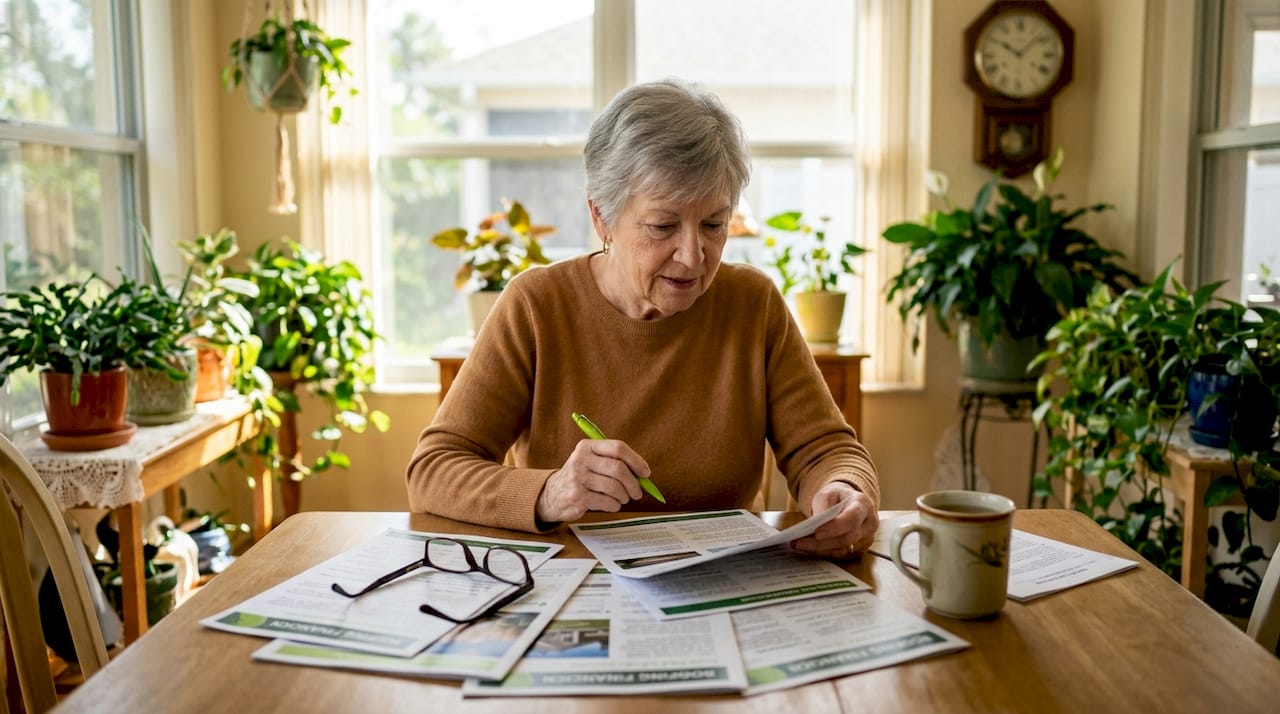
Financing Options for Senior Homeowners: Roofing Guide
Roofing Financing for Seniors can include grants, low-interest loans, and local assistance programs that help cover necessary repairs or replacements.
Last updated: August 8, 2026
Financing options for senior homeowners roofing projects in Florida include government grants, private loans, insurance claims, and nonprofit assistance. Each path carries different eligibility rules, costs, and timelines. The right choice depends on your income, credit, roof condition, and how fast you need repairs done. Programs like the USDA Section 504 Home Repair program and nonprofits like Habitat for Humanity exist specifically to make roofing affordable for seniors. This guide breaks down every option clearly so you can pick the one that fits your situation.
Hytz Roofing offers 0% financing options for Tampa Bay homeowners through GreenSky and Upgrade — with monthly payments as low as $99/month and no prepayment penalties. Senior homeowners may also qualify for up to $10,000 in My Safe Florida Home (MSFH) grant funding for hurricane-hardening upgrades. Call (813) 436-0761 or visit hytzroofing.com/cost-guide for full financing details.
1. Government grants and low-interest loans for senior roofing
Government programs are the most affordable financing roofing for elderly homeowners can access. The catch is that they take longer to process than private loans. If your roof is leaking but not in immediate crisis, these programs are worth the wait.
The USDA Section 504 Home Repair program offers grants up to $10,000 and loans up to $40,000 for qualifying seniors. Loans carry a 1% interest rate repaid over 20 years. That is the lowest rate available anywhere in the roofing finance space.
Who qualifies:
- Age 62 or older
- Own and occupy the home
- Income below the USDA’s very low limit for your county
- Located in a rural area of Florida (many suburban counties qualify)
The grant portion does not need to be repaid. You can combine a grant and a loan in the same application to cover larger roofing projects. Local Area Agencies on Aging administer many of these funds at the county level. Calling your local agency directly gets faster results than calling national hotlines.
Pro Tip: Apply for the USDA Section 504 grant and loan together in one application. Combining both maximizes your funding without adding a second approval process.
Municipal programs also exist in Florida counties like Hillsborough and Pinellas. These programs often run on annual funding cycles, so applying early in the fiscal year improves your chances.
2. Home equity loans, HELOCs, and personal loans
Private financing gives you speed and flexibility. It costs more than government programs, but approval can happen in days rather than months. This makes it a strong option for seniors who need repairs quickly.

Home equity loans and HELOCs use your home as collateral. Interest rates typically run 7% to 9% for qualified borrowers. You can access up to $100,000 depending on your home’s equity and credit profile. That range covers even a full roof replacement with room to spare.
Personal loans are unsecured, meaning no collateral required. The tradeoff is higher interest rates, typically 12% to 30%. They process faster than equity products and work well for smaller repairs where you need cash in hand quickly.
Key differences at a glance:
| Loan type | Interest rate | Collateral | Best for |
|---|---|---|---|
| Home equity loan | 7%–9% | Yes (home) | Large replacements |
| HELOC | 7%–9% | Yes (home) | Phased repairs |
| Personal loan | 12%–30% | No | Urgent small repairs |
| Contractor financing | Varies | No | Emergency speed |
Pro Tip: If you have strong home equity and a credit score above 680, a home equity loan almost always beats a personal loan on total cost. Run the numbers before you commit.
Credit score matters more with private lenders than with government programs. A score below 620 will push you toward personal loans with higher rates or contractor financing. Knowing your score before you apply saves time and protects your credit from unnecessary hard pulls.
3. Contractor-offered financing plans
Contractor financing is the fastest senior homeowner loan option available. Many roofing contractors offer payment plans directly, sometimes with deferred interest promotions. Approval often happens the same day you sign your contract.
Deferred or “same-as-cash” financing offers 0% APR for a promotional period, typically 3 to 12 months. If you pay the full balance before the promotion ends, you pay zero interest. If you do not, retroactive interest applies to the entire original balance. That retroactive charge can be significant.
Contractor financing processes faster than government loans or HELOCs. For emergency repairs after a Florida storm, that speed can prevent far more expensive structural damage. The higher cost of contractor financing often makes sense when the alternative is a worsening leak.
Pro Tip: Before accepting a deferred interest plan, ask the contractor to confirm the exact payoff date in writing. Mark it on your calendar 30 days early so you have time to arrange full payment.
Hytzroofing offers flexible financing plans designed with senior homeowners in mind. Ask about current promotional terms when you request your estimate.
4. Insurance claims for storm damage
Florida seniors should check their homeowner’s insurance policy before exploring any loan or grant. Insurance is often the fastest and most cost-effective path after storm damage.
Storm-related roof damage typically qualifies for an insurance claim covering repair or replacement minus your deductible. Coverage is based on the cause of damage, not your income or age. That makes it one of the most accessible options for any senior homeowner.
Steps to file a roofing insurance claim in Florida:
- Document all visible damage with photos immediately after the storm
- Contact your insurer within 24–72 hours to report the claim
- Request a licensed adjuster inspection
- Get at least one independent contractor estimate before accepting the insurer’s offer
- Review your policy for actual cash value versus replacement cost coverage
Replacement cost coverage pays for a new roof at current prices. Actual cash value coverage deducts depreciation, which can leave a significant gap for older roofs. Knowing which policy you hold changes how you plan your out-of-pocket costs.
For tips on handling storm roof damage before your adjuster arrives, Hytzroofing’s repair guide covers the immediate steps that protect your home and your claim.
5. Nonprofit programs and community assistance
Nonprofits fill the gap when seniors do not qualify for government programs or cannot take on debt. Habitat for Humanity’s “Housing Plus” services combine roof repairs with supportive human services, reducing total out-of-pocket costs significantly. Grants through these programs can reach up to $20,000, with some offering 0% deferred loans.
Eligibility typically requires being age 65 or older with income between 30% and 80% of the Area Median Income. Florida has active Habitat affiliates in most major counties. Local faith-based organizations and community development corporations also run smaller repair programs that fly under the radar.
What nonprofits typically offer:
- Free or subsidized roof repairs for qualifying seniors
- Paired social services like weatherization and accessibility upgrades
- No credit score requirements in most cases
- Application support through local case managers
The main limitation is availability. Nonprofit programs often have waitlists. Apply as early as possible, even if your roof is currently functional. Getting on a waitlist now means faster access when you need it most.
6. How to choose the right roofing financing option
The best affordable roofing solution for you depends on three factors: urgency, income, and credit. Matching those factors to the right program saves money and avoids costly mistakes.
Use this framework:
- Emergency repair needed now. Choose contractor financing or file an insurance claim. Both move fast. Government grants take weeks to months.
- Repair can wait 30 to 90 days. Apply for a USDA Section 504 grant or loan. The 1% interest rate and grant option make it worth the wait.
- You have strong home equity. A home equity loan at 7%–9% beats a personal loan at 12%–30% on total cost for larger projects.
- Income is very low. Contact your local Area Agency on Aging first. They know every county-level program and can match you to the right one.
- You want zero debt. Pursue nonprofit grants through Habitat for Humanity or local community organizations.
- You need to combine options. Pair a USDA grant with a small personal loan to cover the gap. This is common and allowed.
Some deferred-payment loans place a lien on your property, repayable when the home is sold or transferred. That affects your estate plan. Review any lien terms with a family member or attorney before signing.
Pro Tip: Call your county’s Area Agency on Aging before applying anywhere else. They maintain updated lists of every active local program and can tell you exactly what you qualify for before you spend time on applications.
Check the roofing cost guide from Hytzroofing to understand typical repair and replacement costs in Florida before you decide how much financing you actually need.
Key takeaways
The most effective approach to financing roofing for elderly homeowners in Florida combines urgency matching, income-based program selection, and early engagement with local aging agencies.
| Point | Details |
|---|---|
| Government grants offer the lowest cost | USDA Section 504 provides up to $10,000 in grants and $40,000 in loans at 1% interest for seniors 62+. |
| Insurance is often the fastest path | Storm damage claims cover repair costs minus deductible, with no income or age requirements. |
| Deferred financing carries hidden risk | Same-as-cash plans charge retroactive interest on the full balance if not paid within 3–12 months. |
| Nonprofit programs reduce total costs | Habitat for Humanity and similar groups offer grants up to $20,000 with no credit requirements. |
| Liens affect estate planning | Some deferred-payment loans place a lien on your home, repayable upon sale or transfer. |
What I’ve learned working with Florida seniors on roofing finance
The biggest mistake I see senior homeowners make is waiting too long to explore their options. A small leak becomes a structural problem in Florida’s humidity within weeks. By the time the damage is severe, the cheapest financing options are off the table because the repair is now urgent.
The second mistake is treating government grants and private loans as an either-or choice. The smartest approach I’ve seen is filing an insurance claim first, then applying for a USDA grant to cover the deductible and any gap. That combination can get a full roof replacement done with minimal out-of-pocket cost.
Watch out for deferred interest plans if you are on a fixed income. The promotional period sounds great, but I’ve seen seniors get hit with retroactive interest charges that wiped out their savings. If you cannot guarantee full payoff within the promotional window, choose a standard installment loan instead.
Local Area Agencies on Aging are genuinely underused. Most seniors I talk to have never called theirs. These agencies know every active county program, maintain the waitlists, and can often fast-track applications for seniors in urgent need. That call costs nothing and can save thousands.
Proactive maintenance is the real long-term answer. A roof inspection every two years in Florida costs a few hundred dollars. Catching a failing flashing or cracked tile early keeps you in the “can wait 90 days” category where the affordable options live.
— Anthony
Hytzroofing’s financing support for Florida seniors
Hytzroofing holds the GAF Master Elite® Contractor designation, earned by fewer than 2% of roofing contractors in North America. That credential matters when you are trusting someone with your home and your financing.
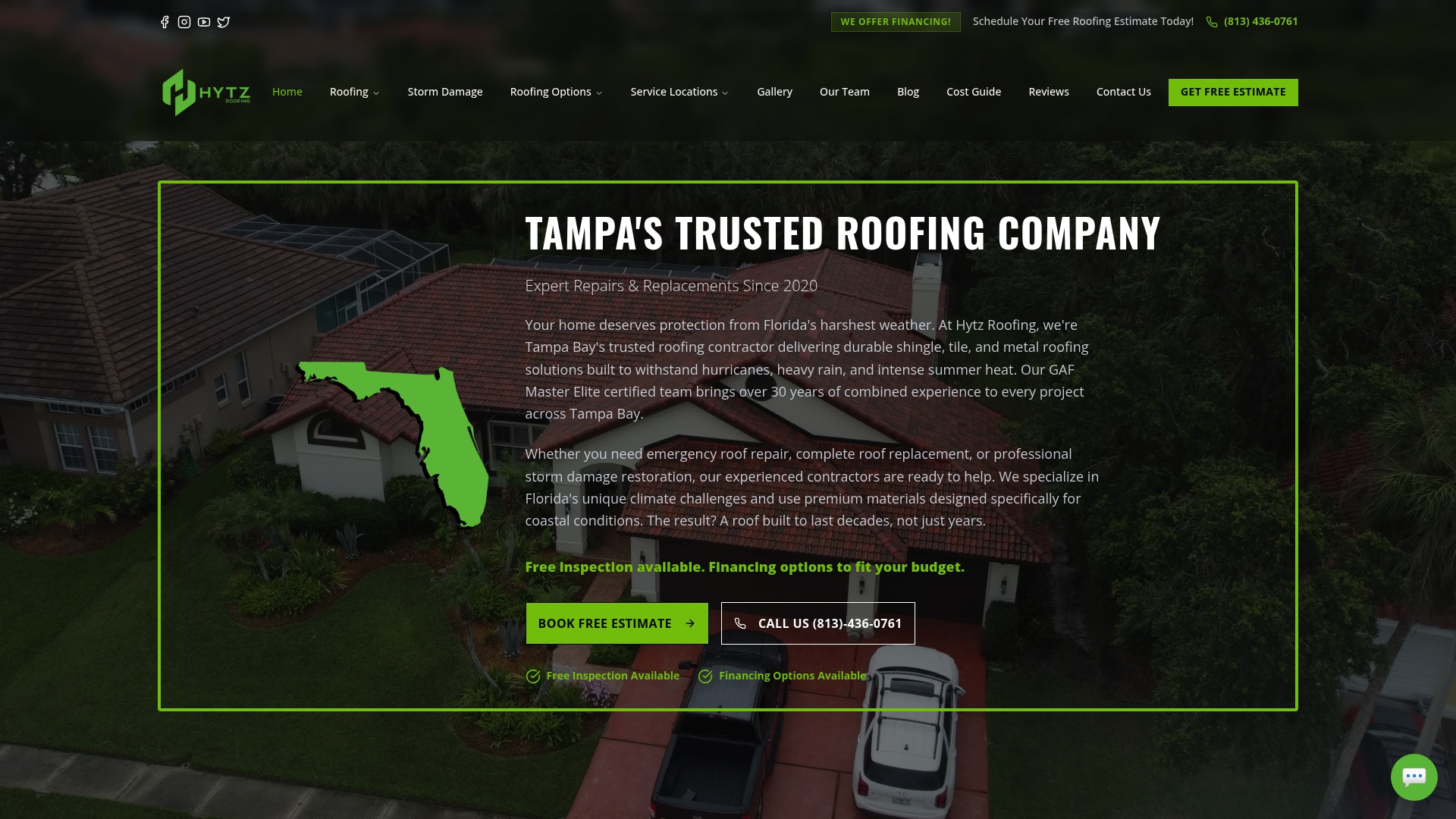
Hytzroofing offers flexible payment plans designed to work with seniors’ budgets, including options that align with insurance claim timelines and government program approvals. Whether you need a quick repair estimate or a full replacement plan, the team walks you through every step. Visit the Plant City roofing services page to request a free consultation and get a clear picture of your costs and financing options before you commit to anything.
FAQ
What is roof financing for seniors?
Roof financing for seniors refers to loans, grants, and assistance programs that help homeowners aged 62 and older pay for roof repairs or replacements. Options include government programs like USDA Section 504, nonprofit grants, home equity loans, and contractor payment plans.
Does USDA Section 504 cover roof replacement in Florida?
Yes. The USDA Section 504 Home Repair program provides grants up to $10,000 and loans up to $40,000 at 1% interest for qualifying seniors in rural Florida areas. Eligibility requires being age 62 or older and meeting income limits.
Can Florida seniors use insurance to pay for a new roof?
Yes, if the damage was caused by a covered event like a hurricane or hailstorm. Insurance claims cover repair or replacement costs minus your deductible, regardless of income or age.
What are the risks of deferred interest roofing loans?
Deferred or same-as-cash plans charge retroactive interest on the full original balance if you do not pay in full before the promotional period ends. Promotional periods typically run 3 to 12 months, which can be a tight window for seniors on fixed incomes.
How do I find nonprofit roofing help for seniors in Florida?
Contact your local Area Agency on Aging or search for a Habitat for Humanity affiliate in your county. These organizations offer grants up to $20,000 and often have no credit score requirements for qualifying seniors.
Recommended
- Types of Roof Repairs Florida Homeowners Need Most
- How to Find the Best Roofing Contractor in Tampa
- Introducing Enviroshake to Your Hoa
- 15 Urgent Roof Issues to Fix Before the Next Florida Storm
Related Hytz Roofing Services