What Is a Roof Restoration Process? A Homeowner’s Guide
Roof Restoration Process describes the typical inspection, repair, coating, and maintenance steps that extend a roof's service life and delay replacement.
Most homeowners assume roof restoration is just a good power wash and a fresh coat of sealant. It’s not. The roof restoration process is a structured, multi-phase system that revitalizes your existing roof, extends its lifespan by years, and can save you tens of thousands of dollars compared to a full replacement. If you’re weighing your options and wondering what the process actually involves, this guide walks you through every step, from the first inspection to the final maintenance plan, so you can make a confident, informed decision.
Table of Contents
- Key takeaways
- What roof restoration is and why it matters
- What the roof restoration process looks like, step by step
- Roof restoration vs replacement: which one fits your situation?
- Keeping your restored roof in great shape
- My honest take on roof restoration
- Why Hytzroofing is the right call for your roof restoration
- FAQ
Key takeaways
| Point | Details |
|---|---|
| Restoration vs. replacement | Restoration extends your roof’s life at a fraction of the cost when the structure underneath is still sound. |
| Multi-step process | The roof restoration process includes inspection, surface prep, repairs, coating, and a maintenance plan. |
| Surface prep is non-negotiable | Skipping adhesion testing and proper cleaning is the number one cause of restoration failure. |
| Insurance coordination matters | Working closely with your insurer from day one speeds up approvals and reduces delays. |
| Maintenance extends your investment | Scheduled inspections after restoration catch small problems before they become expensive ones. |
What roof restoration is and why it matters
Roof restoration is not a repair. It’s not a replacement either. It sits in a category of its own. The process involves revitalizing your existing roof by cleaning the surface, fixing damaged areas, and applying a protective coating system that seals and strengthens what’s already there.
When is restoration the right call? Restoration makes sense when your roof shows wear, minor leaks, or surface deterioration but the underlying structure is still solid. If your decking is rotted or your rafters are compromised, that’s a different conversation. But for a roof that’s aging on the surface while staying structurally sound, restoration is often the smarter path.
Here’s why the benefits of roof restoration get homeowners’ attention:
- Cost savings. A full tear-off and replacement is a major expense. Restoration typically costs significantly less while delivering comparable protection.
- Speed. Restoration averages 8 crew days per 30,000 square feet of roof, compared to up to 30 days for full replacement. Less disruption to your home and daily life.
- Energy efficiency. Reflective elastomeric coatings reduce heat absorption, which can lower your cooling bills, especially here in Florida where the sun is relentless.
- Environmental impact. Restoration keeps old roofing material out of landfills. It’s a genuinely greener option.
- Extended lifespan. A properly restored roof can add 10 to 15 years of service life, depending on the system used and how well it’s maintained.
The one situation where restoration does not work? Repeated minor repairs on an aging roof in a weather-stressed region often signal the roof has passed its service life. At that point, replacement is the responsible choice.
What the roof restoration process looks like, step by step
This is where most homeowners are surprised. The process is more involved than they expect, and that’s actually a good thing. Each step exists for a reason, and skipping any one of them puts the whole project at risk.
-
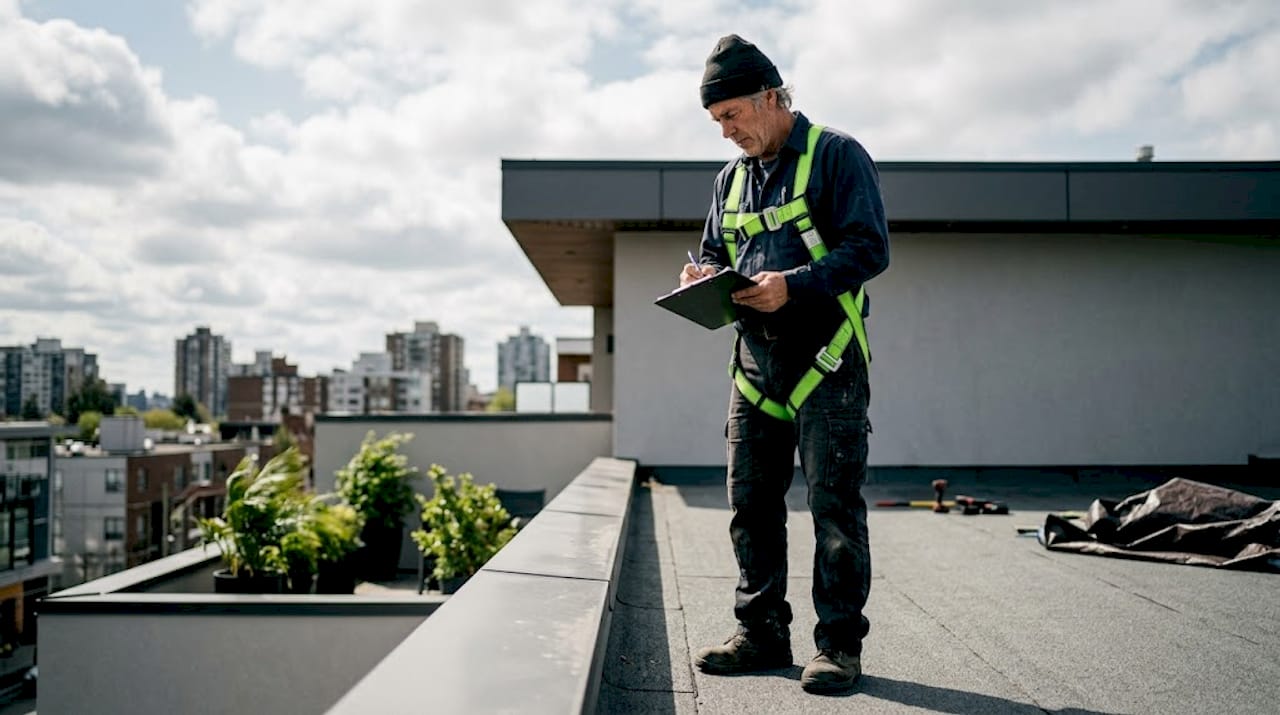
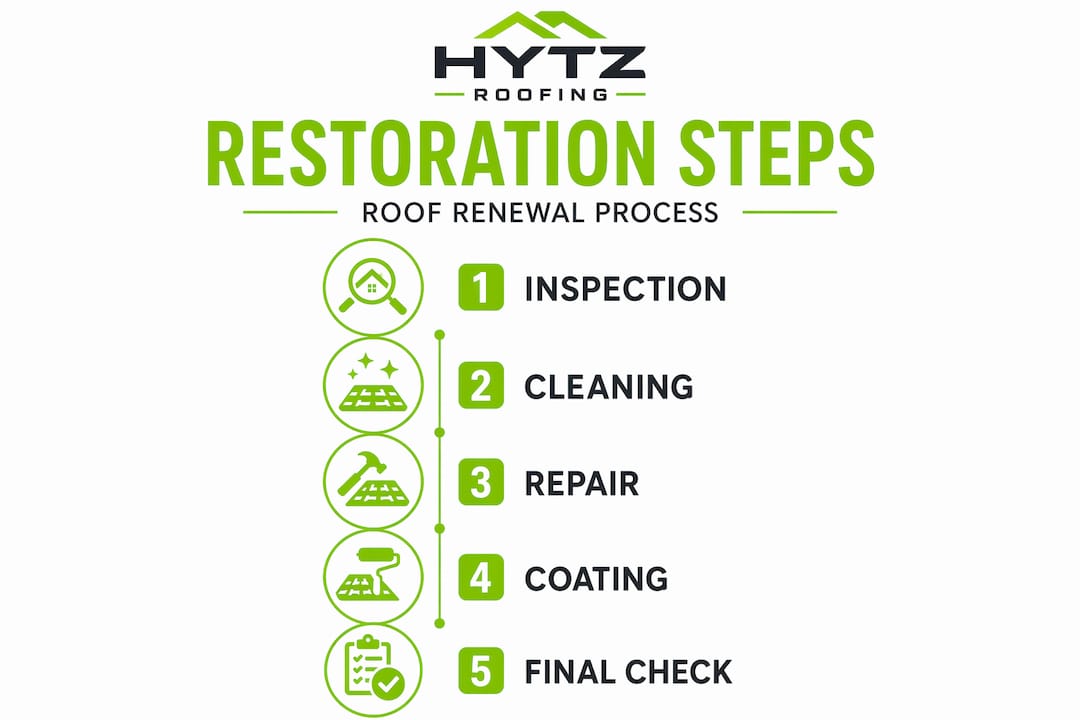
Initial inspection and damage assessment. A qualified contractor walks your entire roof, documenting every area of concern. This includes checking for cracked or missing tiles, damaged flashing, ponding water zones, and any signs of structural compromise. If you have an active insurance claim, this is also when working with insurance adjusters from the start pays off. Thorough documentation at this stage speeds up approvals and reduces back-and-forth delays.
-
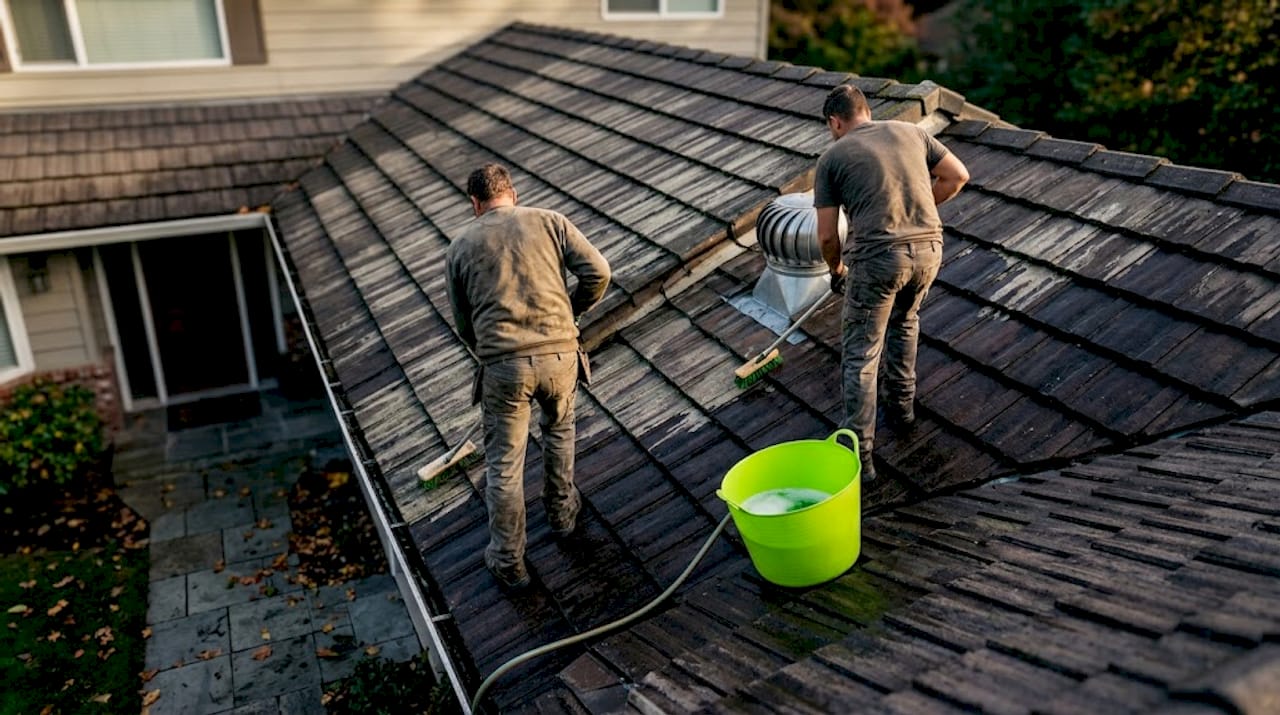
Surface cleaning and preparation. The roof is pressure washed to remove dirt, algae, moss, and any loose material. This step is not cosmetic. A coating applied to a dirty or contaminated surface will fail. Period.
-
Adhesion testing. Before any coating goes on, a compatibility test confirms the coating will actually bond to your existing roof material. Skipping adhesion testing is one of the most common causes of premature coating delamination. A good contractor never skips this.
-
Repair and rectification. Cracked tiles get replaced. Damaged shingles are swapped out. Flashing around chimneys, vents, and skylights is resealed or replaced. Any seams or joints that show weakness are reinforced. This is the phase that separates restoration from a simple surface treatment.
-
Coating application. An elastomeric or liquid coating system is applied in layers. These coatings flex with your roof as temperatures change, resist UV damage, and create a waterproof membrane over the repaired surface. The number of coats and the product used depends on your roof type and your contractor’s recommendation.
-
Final inspection. Once the coating cures, the contractor does a walkthrough to confirm uniform coverage, check for missed spots, and verify all repairs are holding. You should receive documentation of the completed work.
-
Maintenance plan setup. A restored roof needs scheduled checkups to stay in top shape. Your contractor should outline what to watch for and when to bring someone back for a look.
Pro Tip: Ask your contractor to show you the adhesion test results before coating begins. If they can’t produce them, that’s a red flag worth taking seriously.
Roof restoration vs replacement: which one fits your situation?
This is the question most homeowners are really asking. Here’s a straightforward comparison to help you think it through.
| Factor | Roof restoration | Roof replacement |
|---|---|---|
| Cost | Significantly lower upfront | Higher, but may be covered by insurance |
| Timeline | Days to a couple of weeks | Several weeks or more |
| Disruption | Minimal | Significant noise, debris, crew access |
| Best for | Structurally sound roofs with surface wear | Roofs with structural damage or end of service life |
| Lifespan added | 10 to 15 years, depending on system | Full new roof lifespan (20 to 50 years) |
| Environmental impact | Lower, less waste | Higher, full tear-off goes to landfill |
| Insurance coverage | Often partial, depends on damage type | More commonly covered for storm damage |
The efficiency of restoration over replacement also benefits homeowners directly. Faster project completion means less time with a crew on your property and less risk of weather interruptions mid-project.
One thing worth understanding about insurance: incomplete documentation is one of the biggest reasons restoration claims get delayed or denied. A contractor who coordinates directly with your insurer and provides thorough inspection reports makes a real difference in how smoothly your claim moves. You can also check our roofing cost guide to get a clearer picture of what to budget for either path.
Keeping your restored roof in great shape
Getting the restoration done is only half the job. What you do afterward determines how long it actually lasts.
Regular inspections after restoration are not optional if you want to protect your investment. Experts recommend at least one professional checkup per year, with an additional inspection after any major storm. Here’s what to keep in mind:
- Don’t pressure wash the coating. High-pressure water can damage elastomeric coatings. Gentle rinsing is fine. Aggressive washing is not.
- Keep gutters clean. Clogged gutters push water back toward the roof edge, which can undermine even a freshly restored system.
- Watch for bubbling or peeling. These are early signs that the coating is losing adhesion somewhere. Catching it early means a small repair instead of a big one.
- Trim overhanging branches. Debris from trees accelerates surface wear and can puncture coatings during storms.
- Ask about a maintenance contract. Some roofing contractors offer annual inspection programs. For a restored roof, this kind of scheduled attention is worth it.
Pro Tip: After any hurricane or tropical storm, have a professional walk your roof before you assume everything is fine. What looks intact from the ground can tell a very different story up close.
Staying in touch with your insurance provider after restoration also matters. Maintenance plans reduce major failures and keep your roof in the condition your insurer expects. Some policies require documented upkeep to maintain coverage, so keep records of every inspection and repair. For more practical tips on maintaining your roof after work is done, the guide on successful roof repair projects in Tampa is worth a read.
My honest take on roof restoration
I’ve seen a lot of homeowners come into the restoration conversation with the wrong mental model. They think they’re paying for a coat of paint. What they’re actually getting, when it’s done right, is a holistic system that integrates inspection, targeted repairs, coating, and ongoing maintenance into one interconnected plan.
The part that gets underestimated most? Surface preparation. Every contractor will tell you the coating is the product. But in my experience, the prep work is what actually determines whether that coating lasts 3 years or 13. I’ve seen beautifully applied coatings fail within two seasons because the surface wasn’t properly cleaned or the adhesion test was skipped to save time.
The other thing I’d push homeowners on is insurance coordination. Don’t wait for your contractor to handle it passively. Ask specifically how they document damage for adjusters and whether they’ve worked with your insurance company before. A contractor who has established relationships with insurers and knows how to present documentation properly can genuinely change the outcome of your claim.
And finally, ask about the maintenance plan before you sign anything. A contractor who doesn’t mention post-restoration care is leaving you to figure out the most important part on your own. The restoration process doesn’t end when the crew leaves your driveway.
— Anthony
Why Hytzroofing is the right call for your roof restoration
If you’re ready to move forward with roof restoration services in the Tampa area, Hytzroofing brings credentials that most contractors simply can’t match. As a GAF Master Elite contractor, Hytzroofing holds a designation earned by fewer than 2% of roofing contractors across North America. That means rigorous standards for licensing, insurance, training, and installation quality on every single project.
Hytzroofing also holds the GAF President’s Club Award, the 2024 Brava Roof Tile Excellence Award, and the Angi Super Service Award 2025. Every project is backed by a BBB A+ rating and Florida Contractor License #CCC1332551. Whether you need a residential restoration or have a commercial property in need of attention, the team is ready to walk you through your options and provide a clear, honest estimate.
Reach out to Hytzroofing today to schedule your roof inspection and find out if restoration is the right move for your home.
FAQ
What does the roof restoration process include?
The roof restoration process includes a full inspection, surface cleaning, adhesion testing, targeted repairs to damaged areas, application of a protective coating system, and a final inspection. A maintenance plan is typically set up at the end to keep the roof in good condition long term.
How long does roof restoration take?
Restoration is significantly faster than replacement. Projects average around 8 crew days per 30,000 square feet, compared to up to 30 days for a full tear-off and replacement.
When should I choose restoration over replacement?
Restoration is the right choice when your roof’s underlying structure is sound but the surface shows wear, minor leaks, or coating degradation. If there is major structural damage or the roof has exceeded its service life, replacement is the better option.
Will my insurance cover roof restoration?
Coverage depends on your policy and the cause of damage. Coordinating with your insurer early and providing thorough documentation from your contractor’s inspection gives you the best chance of a smooth, successful claim.
How do I maintain my roof after restoration?
Schedule at least one professional inspection per year and an additional one after major storms. Avoid high-pressure washing on the coating, keep gutters clear, and watch for early signs of peeling or bubbling. Many contractors offer annual maintenance plans specifically for restored roofs.
Recommended
- Commercial Roof Leak Repair Expert Solutions for Business Protection
- Introducing Enviroshake to Your Hoa
- GAF Master Elite Roofer in Tampa, FL | Hytz Roofing
- 15 Urgent Roof Issues to Fix Before the Next Florida Storm
Article generated by BabyLoveGrowth
Related Hytz Roofing Services