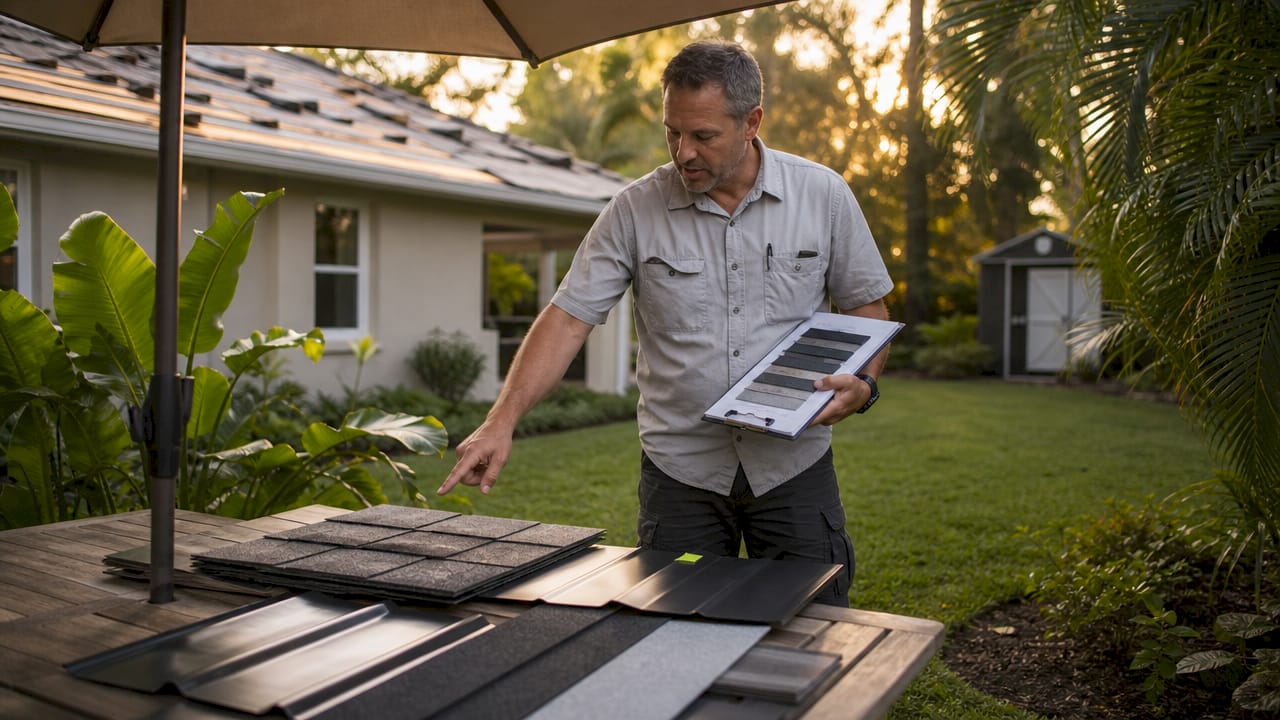
Roofing Materials Comparison for Florida Replacement
Florida roofing materials differ in cost, durability, and wind resistance, and this article compares common options and considerations for roof replacement.
Last updated: August 8, 2026
The best roofing materials for replacement in Florida are defined by their ability to withstand hurricane-force winds, intense UV exposure, and high humidity year-round. A roofing materials comparison for replacement in Florida is not the same exercise as it is in Ohio or Colorado. Your climate shapes every decision. The right roof protects your home, lowers your energy bills, and can even reduce your insurance premiums. This guide covers the top materials Florida homeowners should consider, what each one costs, and how to make the final call.
1. Roofing materials comparison for replacement: top options ranked
Florida’s climate narrows your best roofing materials list quickly. Wind resistance, UV durability, and moisture resistance are non-negotiable here.
- Standing seam metal roofing is the top performer for Florida homes. It carries wind resistance ratings of 140–180 mph and a lifespan of 40–70 years. That means one installation can outlast two or three asphalt roofs.
- Architectural asphalt shingles cover approximately 75% of U.S. homes because they balance cost and performance well. They last 25–30 years and cost $4.50–$8.50 per square foot installed.
- Clay tile is a Florida classic. It handles heat and humidity exceptionally well, lasts 50 years or more, and gives homes that distinctive Mediterranean look common across South Florida.
- Natural slate offers the longest lifespan of any roofing material at 100–150 years. The tradeoff is a high installed cost of $15.00–$30.00 per square foot and significant structural requirements.
- Impact-resistant shingles (Class 4) are a strong middle-ground option. They cost more than standard shingles but can reduce insurance premiums by 10–35%, offsetting the price difference within 3–5 years.
Pro Tip: Ask your insurance provider about Class 4 impact-resistant discounts before you finalize your material choice. The savings can shift the math significantly.
2. Comparing roofing material costs and installation factors
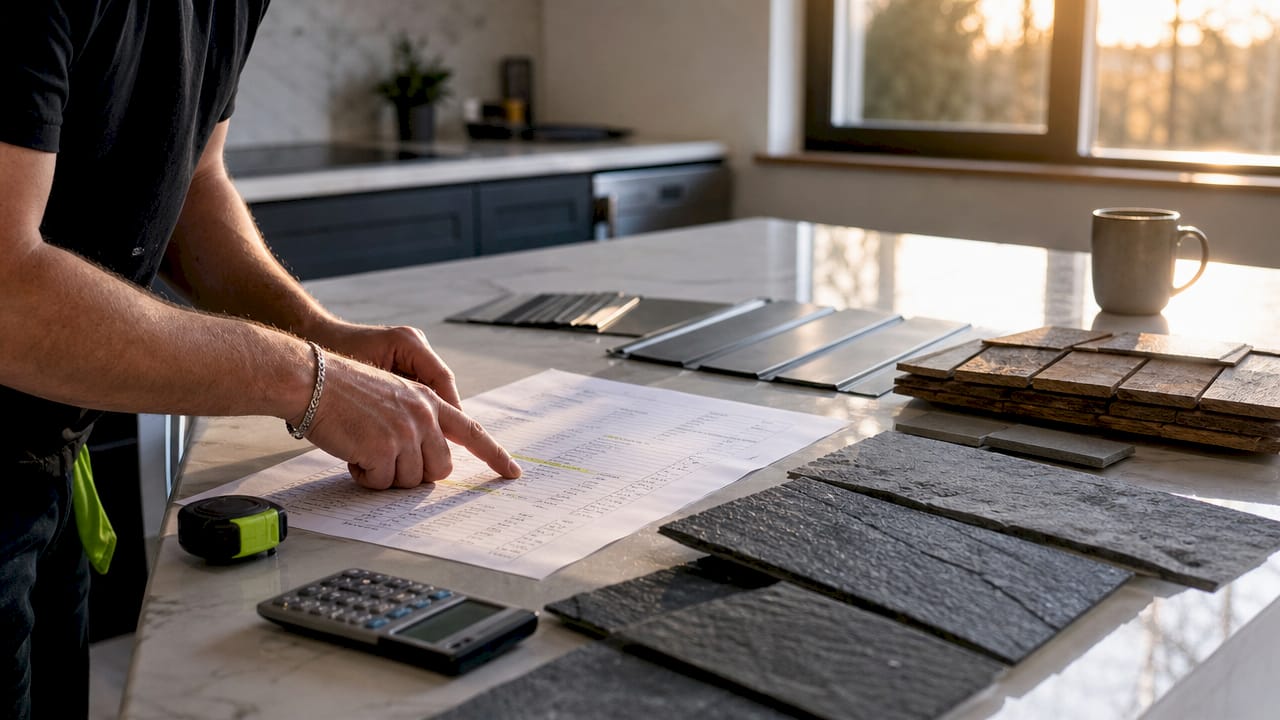
Cost is where most homeowners get surprised. The sticker price per square foot is only part of the picture.
Upfront cost by material
| Material | Cost per sq ft (installed) | Lifespan |
|---|---|---|
| Architectural asphalt shingles | $4.50–$8.50 | 25–30 years |
| Standing seam metal | $10.00–$22.00 | 40–70 years |
| Clay tile | Varies by profile | 50+ years |
| Natural slate | $15.00–$30.00 | 100–150 years |
Metal roofing costs more upfront, but its 40–70 year lifespan means you likely replace it once versus two or three times for asphalt. Over a 50-year period, metal often wins on total cost. Check the roofing cost guide from Hytzroofing for a detailed Florida-specific breakdown.
Structural load matters
Heavy materials like clay, concrete, and slate weigh 8–15 lbs per square foot. Asphalt and metal weigh only 2–4 lbs per square foot. That weight difference can require structural reinforcement of your roof deck, which adds to the total project cost. Always get a structural assessment before committing to tile or slate.
Full tear-off vs. overlay
Overlays shorten roof lifespan by 15–20% by trapping heat and hiding deck damage underneath. A full tear-off costs more upfront but gives you a clean, inspected deck and a full-length warranty. For Florida homes where storms can expose hidden damage fast, a full tear-off is the right call.
Pro Tip: Always request a full deck inspection during tear-off. Hidden rot or moisture damage under old shingles is common in Florida and must be repaired before new materials go down.
3. Energy efficiency and climate suitability in Florida
Florida homeowners run their air conditioning hard. Your roof plays a direct role in how much that costs.
- Metal roofing is the top energy performer. Metal and cool-rated shingles reflect heat and reduce cooling bills while slowing material degradation from UV exposure.
- Cool-rated asphalt shingles carry Energy Star ratings and use reflective granules to bounce sunlight away from the roof deck. They cost only slightly more than standard shingles.
- Light-colored roofing in any material reduces heat absorption. A white or light gray metal roof performs better in Florida than a dark charcoal one, even if both carry the same wind rating.
- Clay tile naturally ventilates air beneath each tile, creating a thermal buffer between the sun and your attic. This passive cooling effect is one reason clay has been used in Florida for over a century.
- Dark asphalt shingles absorb the most heat and degrade fastest in Florida’s UV environment. If you choose asphalt, select a light color and a product with a high solar reflectance index.
Local climate is the single biggest factor in roofing material selection for Florida homeowners. Materials that perform well in cooler states may fail early here due to UV intensity and humidity cycling.
4. Aesthetic options and maintenance requirements
Your roof covers roughly 40% of your home’s visible exterior. Aesthetics matter, and so does how much time and money you spend maintaining that look.
- Architectural asphalt shingles offer the widest variety of colors, profiles, and styles. You can match nearly any home design, from craftsman to contemporary, at a relatively low cost.
- Standing seam metal works for both modern and traditional homes. It comes in dozens of colors and profiles. Maintenance is minimal: occasional cleaning and checking fasteners every few years.
- Clay tile delivers a luxury, Mediterranean aesthetic that holds its color for decades. The tiles themselves rarely need replacement, but the underlayment beneath them typically needs renewal every 20–25 years.
- Natural slate is the most visually distinctive material available. Each tile is unique. Maintenance involves periodic inspection and replacing individual cracked tiles, which requires a specialist.
- Impact-resistant shingles look identical to standard architectural shingles. You get the aesthetic flexibility of asphalt with added wind and hail protection.
Pro Tip: For clay or slate, budget for underlayment replacement at the 20-year mark. The tiles may look perfect, but a failed underlayment underneath them causes leaks just as fast as a cracked tile.
Certified installers are vital for warranty validity on premium materials like metal and tile. A manufacturer’s warranty is only as good as the installation behind it.
5. How to choose the right material for your replacement project
No single best roofing material exists for every homeowner. The right choice depends on how long you plan to stay, what your budget allows, and what your home’s structure can support.
- Short-term owners (under 10 years): Architectural asphalt shingles offer the best return. You spend less upfront and the roof performs well through your ownership window.
- Long-term owners (10+ years): Metal roofing or clay tile pays off. The higher upfront cost spreads across a much longer lifespan, and energy savings add up year after year.
- Storm-prone areas: Class 4 impact-resistant shingles or standing seam metal are the strongest choices. Both carry high wind ratings and qualify for insurance discounts in most Florida counties.
- Budget-conscious homeowners: Start with a roofing survey to understand your current deck condition before pricing materials. Hidden structural issues change the cost equation entirely.
- HOA or historic districts: Check local building codes and HOA rules before selecting a material. Some Florida communities require specific tile profiles or colors.
Choosing a GAF Master Elite® certified contractor like Hytzroofing gives you access to the strongest manufacturer warranties available. Fewer than 2% of roofing contractors in North America hold that designation. That credential protects your investment regardless of which material you choose. You can also review storm damage repair tips to understand how material choice affects your home’s vulnerability before a storm hits.
Key takeaways
The best roof replacement decision in Florida balances wind resistance, energy efficiency, upfront cost, and how long you plan to own the home.
| Point | Details |
|---|---|
| Metal roofing leads on durability | Standing seam metal lasts 40–70 years with 140–180 mph wind resistance. |
| Asphalt shingles suit most budgets | At $4.50–$8.50 per sq ft, they cover 75% of homes for good reason. |
| Class 4 upgrades cut insurance costs | Impact-resistant roofing can reduce premiums by 10–35% within 3–5 years. |
| Full tear-offs protect long-term value | Overlays shorten lifespan by 15–20% and hide deck damage. |
| Installation quality determines outcomes | Certified installers protect your warranty and your investment. |
What I’ve learned after years of Florida roof replacements
Florida homeowners consistently underestimate two things: the value of wind ratings and the cost of a bad installation.
I’ve seen homeowners choose a premium material and then hire the cheapest crew available to install it. The result is almost always a warranty dispute after the first major storm. Installation quality is as critical as the material itself. A perfectly specified metal roof installed incorrectly will fail before a well-installed asphalt roof does.
The other thing I’d push back on is the idea that asphalt is always the “safe” choice. For a homeowner who plans to stay in their Florida home for 20 or more years, the math on metal or clay tile is compelling. You pay more once and stop paying again. You also stop worrying every time a named storm enters the Gulf.
Insurance discounts are the most overlooked factor in this whole conversation. A Class 4 impact-resistant upgrade that saves you 20% on your annual premium pays for itself faster than most homeowners realize. Run that number before you decide asphalt is too expensive to upgrade.
My honest recommendation: match your material to your timeline, get a structural assessment before committing to tile or slate, and never compromise on the installer’s credentials. The roof is not the place to save money on labor.
— Anthony
Hytzroofing: Florida’s certified roof replacement specialists
Choosing the right material is only half the job. The other half is having a certified team install it correctly.
Hytzroofing holds the GAF Master Elite® Contractor designation, earned by fewer than 2% of roofing contractors in North America. That status means access to GAF’s strongest warranties, rigorous installation standards, and a track record Florida homeowners can verify. Hytzroofing also earned the GAF President’s Club Award and the Angi Super Service Award 2025, both reflecting consistent, high-quality work across real projects.
Whether you’re weighing metal versus tile or need help after storm damage, the Plant City roofing team at Hytzroofing is ready to walk you through your options with no pressure and no guesswork.
FAQ
What is the most durable roofing material for Florida homes?
Standing seam metal roofing is the most durable option for Florida, with a lifespan of 40–70 years and wind resistance ratings of 140–180 mph. Natural slate lasts longer at 100–150 years but requires significant structural support.
How much does a roof replacement cost in Florida?
Costs range from $4.50 per square foot for asphalt shingles to $30.00 per square foot for natural slate. The total project cost depends on roof size, material choice, tear-off requirements, and any structural reinforcement needed.
Can a new roof lower my homeowner’s insurance in Florida?
Yes. A Class 4 impact-resistant roof can reduce your insurance premium by 10–35%. Most Florida insurers offer discounts for roofs that meet specific wind and impact resistance ratings.
Is a full tear-off necessary for roof replacement?
A full tear-off is strongly recommended. Overlays trap heat and hide deck damage, shortening the new roof’s lifespan by 15–20%. A clean deck also gives your contractor a chance to repair any hidden rot or moisture damage.
How do I know which roofing material fits my budget and timeline?
Short-term owners get the best return from architectural asphalt shingles. Long-term owners benefit more from metal or clay tile despite the higher upfront cost. A certified contractor can model the lifetime cost for each option based on your specific home.
Recommended
- Weathering the Storm Expert Tips for Roof Leak Repair in Tampa Fl
- Hurricane Resistance
- GAF Master Elite Roofer in Tampa, FL | Hytz Roofing
- Why We’re Tampa’s Top Choice for Roofing Services
Ready to Work With a Trusted Tampa Roofer?
Hytz Roofing is a GAF Master Elite certified contractor serving Tampa Bay. Explore our services: