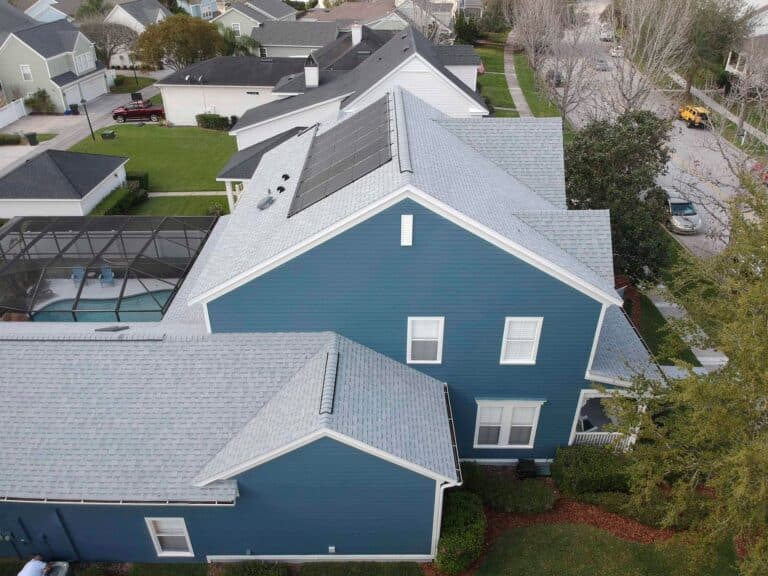
Tampa roof lifespan depends on regular inspections, preventive maintenance, and timely repairs to slow wear and avoid premature replacement. This guide covers the key factors that determine how long your Tampa Bay roof will last, the warning signs that replacement is approaching, and practical maintenance steps that can add years to any roofing system.
Table of Contents
- How Florida's Climate Affects Roof Lifespan
- Expected Lifespan by Roofing Material in Florida
- Factors That Shorten Roof Life in Tampa Bay
- Warning Signs Your Roof Is Approaching End of Life
- Maintenance Steps That Extend Roof Lifespan
- When to Repair vs. When to Replace
- Planning and Budgeting for Roof Replacement
- How Hytz Roofing Can Help
How to Maximize Your Roof's Lifespan and Plan for Replacement in Tampa
In the Sunshine State, your roof is the ultimate shield against blistering UV rays, tropical downpours, and hurricane-force winds. Understanding how to extend its life and knowing when it is time for a change is vital for every homeowner. In Tampa Bay, where the Gulf Coast weather can be particularly unforgiving, proactive maintenance is the key to protecting your investment.
This guide explores the factors that dictate your roof's longevity, the warning signs of failure, and how to strategically manage your roof in the Tampa Bay area — whether you are trying to extend its life or planning for an upcoming replacement.
| Factor | Impact on Roof Lifespan in Florida |
|---|---|
| UV Radiation | Accelerates asphalt degradation, granule loss, and brittleness. |
| Extreme Heat | Causes thermal expansion/contraction, stressing materials and fasteners. |
| High Humidity | Promotes algae, moss, and mold growth, leading to degradation. |
| Hurricane Winds | Increases risk of wind uplift, shingle detachment, and structural failure. |
| Salt Air | Accelerates corrosion of metal roofing components in coastal areas. |
How Does Florida's Climate Affect Your Roof's Lifespan?
Florida's unique climate, characterized by intense UV radiation, extreme heat, high humidity, and frequent storms, significantly accelerates the aging and degradation of roofing materials.
Roofing materials are rated for lifespan under standard conditions, but Florida's climate is far from standard. The combination of factors Tampa Bay roofs face is uniquely aggressive:
UV Radiation. Florida receives significant solar radiation, contributing to high UV exposure [1]. UV exposure is the primary driver of asphalt shingle degradation [1] Resilient Roofing — it breaks down the asphalt binder, causes granule loss, and makes shingles brittle. A shingle rated for 30 years in a northern climate may last only 20–25 years in Tampa's sun.
Heat and Thermal Cycling. Roof surface temperatures in Tampa can exceed 160°F on summer afternoons. This extreme heat, followed by cooling at night, creates repeated thermal expansion and contraction that stresses roofing materials and fasteners over time.
Humidity and Moisture. Florida's high humidity creates conditions favorable for algae, moss, and mold growth on roofing surfaces. These organisms retain moisture against the roof surface, accelerating degradation. Algae streaking is a cosmetic issue; moss and mold can cause structural damage if left untreated.
Hurricane and Storm Winds. Even storms that do not make direct landfall can subject Tampa Bay roofs to sustained winds of 60–80 MPH and gusts well above that. Wind uplift resistance at the eaves and ridges is a critical factor in preventing storm-related roofing failure [3] Florida Building Code.
Salt Air. Coastal Tampa Bay homes face accelerated corrosion of metal roofing components — flashing, fasteners, gutters, and vents. Salt air can reduce the effective lifespan of unprotected metal components significantly.
What is the Expected Lifespan of Roofing Materials in Florida?
The lifespan of roofing materials in Florida is significantly impacted by the state's harsh climate, often reducing the national average lifespan by several years due to intense UV radiation, heat, humidity, and frequent storms.
| Roofing Material | National Average Lifespan | Florida Adjusted Lifespan | Notes |
|---|---|---|---|
| Standard 3-tab asphalt | 20–25 years | 15–20 years | UV and heat accelerate degradation |
| Architectural asphalt shingles | 25–30 years | 20–25 years | Better UV resistance than 3-tab |
| Metal roofing | 40–70 years | 35–60 years | Corrosion risk in coastal areas |
| Tile roofing | 50+ years | 40–50+ years | Durable but can crack under impact |
| Enviroshake composite | Lifetime | Lifetime | Engineered for Florida's conditions |
| Wood shake | 20–30 years | 10–15 years | Poor performance in Florida's humidity |
The Florida-adjusted lifespans above assume proper installation and basic maintenance. Neglected roofs, improperly installed roofs, or roofs that have sustained storm damage may fail significantly earlier.
What Factors Shorten a Roof's Life in Tampa Bay?
Poor installation, inadequate ventilation, deferred maintenance, and unrepaired storm damage are key factors that drastically reduce a roof's lifespan in Tampa Bay, beyond natural climate stressors.
Beyond climate, several controllable factors can significantly shorten a roof's effective lifespan:
Poor installation. The most common cause of premature roof failure is improper installation — wrong fastening patterns, inadequate underlayment, poor flashing details, or insufficient ventilation. A roof installed incorrectly may fail years before its rated lifespan.
Inadequate ventilation. Proper attic ventilation is critical in Florida's climate. Without adequate airflow, attic temperatures can exceed 160°F, dramatically accelerating shingle degradation from below. Moisture buildup from inadequate ventilation also leads to deck rot and mold.
Deferred maintenance. Small problems — a missing shingle, a failing flashing, a clogged gutter — become large problems when left unaddressed. Water that enters through a minor defect can cause extensive deck and structural damage over time.
Overloading with additional layers. Some homeowners choose to install a new roof over an existing one to save money. In Florida's climate, this practice traps heat and moisture between layers, accelerating degradation of both the old and new roofing.
Storm damage left unrepaired. After a hurricane or severe storm, even minor damage — a few displaced shingles, a small flashing failure — can allow water intrusion that causes extensive damage over the following months.
Warning Signs Your Roof Is Approaching End of Life
Knowing when to replace rather than repair is one of the most important decisions a homeowner makes. These warning signs indicate that replacement may be more cost-effective than continued repairs:
- Age over 20 years — most asphalt shingle roofs in Florida should be evaluated for replacement at 20 years, even if they appear functional
- Widespread granule loss — if gutters are consistently full of granules after rain, the shingles are nearing the end of their protective life
- Multiple leaks in different locations — isolated leaks can be repaired, but multiple simultaneous failures indicate systemic deterioration
- Sagging or uneven roof surface — indicates deck damage or structural issues that require immediate attention
- Significant storm damage — when storm damage affects more than 25–30% of the roof surface, replacement is typically more economical than repair
- Rising energy bills — a deteriorating roof with compromised insulation value can noticeably increase cooling costs in Florida's climate
Maintenance Steps That Extend Roof Lifespan
Proactive maintenance is the most cost-effective investment a homeowner can make in their roof. These steps can add years to any roofing system:
Annual professional inspection. A qualified roofer can identify developing problems — failing flashings, loose fasteners, early granule loss — before they become failures. Schedule an inspection every fall before hurricane season ends and after any significant storm.
Keep gutters and downspouts clear. Clogged gutters cause water to back up under the eaves, saturating the fascia and potentially the roof deck. Clean gutters at least twice per year in Florida, where leaves and debris accumulate year-round.
Trim overhanging trees. Branches that overhang the roof deposit debris, retain moisture, and can cause physical damage during storms. Keep trees trimmed so no branches hang over the roof surface.
Address algae and moss promptly. Algae streaking (the black staining common on Florida roofs) is primarily cosmetic but indicates moisture retention. Moss is more damaging — it retains moisture against the shingle surface and can accelerate granule loss. Treat with appropriate roof cleaning products or have a professional cleaning performed.
Inspect and maintain flashings. Flashings at chimneys, vents, skylights, and wall intersections are the most common point of roof failure. Inspect these areas annually and reseal any gaps or cracks with appropriate roofing caulk.
Ensure adequate attic ventilation. If your attic is excessively hot in summer or shows signs of moisture condensation in winter, have a roofing professional assess your ventilation system. Proper ventilation is one of the most impactful factors in extending shingle lifespan.
When to Repair vs. When to Replace
The repair-vs-replace decision depends on several factors:
| Situation | Recommended Action |
|---|---|
| Isolated leak, roof under 15 years old | Repair |
| Multiple leaks, roof under 15 years old | Thorough inspection; likely repair |
| Isolated damage, roof 15–20 years old | Inspect carefully; repair if rest of roof is sound |
| Widespread damage, roof 15–20 years old | Replacement likely more economical |
| Any condition, roof over 20 years old | Replacement evaluation recommended |
| Storm damage affecting 25%+ of roof | Replacement typically more economical |
A professional inspection by a licensed Tampa Bay roofing contractor is the most reliable way to make this determination. Hytz Roofing provides free inspections and honest assessments — we will tell you when repair is the right answer, not just recommend replacement.
Planning and Budgeting for Roof Replacement
If your roof is approaching end of life, planning ahead gives you time to make the best decision rather than being forced into a rushed choice after a failure. Key planning steps:
Get multiple estimates. Obtain at least two or three written estimates from licensed Tampa Bay roofing contractors. Compare not just price but material specifications, warranty terms, and contractor credentials.
Understand your material options. The choice of roofing material significantly affects both upfront cost and long-term value. Review the cost guide for a detailed breakdown of material costs and expected lifespans in Florida.
Check your insurance. Review your homeowner's insurance policy before replacing your roof. Some policies provide replacement cost coverage for roofs that are damaged by covered perils. Upgrading to a Class 4 impact-rated material, or ensuring your roofing system has a Miami-Dade NOA (Notice of Acceptance), may also qualify you for a premium discount.
Consider financing. Quality roofing is a significant investment. Hytz Roofing offers financing options that allow you to invest in the right material without compromising on quality due to budget constraints.
How Hytz Roofing Can Help
Hytz Roofing is Tampa Bay's GAF Master Elite certified roofing contractor [4], with experience helping homeowners extend the life of their current roof and plan for replacement when the time comes. Our services include:
- Free roof inspections with honest condition assessments
- Annual maintenance programs to maximize roof lifespan
- Full replacement services with material options at every price point
- Storm damage assessment and insurance claim support
- Financing options for qualified homeowners
Schedule your free inspection today and get a clear picture of your roof's current condition and remaining lifespan.
Frequently Asked Questions
Q: How long does a roof last in Tampa, Florida?
A: Asphalt shingle roofs in Tampa typically last 15 to 20 years — significantly shorter than the 25 to 30 year lifespans common in cooler, drier climates. Florida's intense UV radiation, heat cycling, hurricane-force winds, and heavy rainfall all accelerate aging. Metal roofs last 40+ years; tile roofs 50+ years; composite products like Enviroshake carry 50-year lifetime warranties.
Q: What is the single most effective thing I can do to extend my roof's lifespan?
A: Annual professional inspections, followed by prompt repair of any identified issues. Small problems — a cracked pipe boot, a few missing shingles, deteriorated flashing — cost $150 to $500 to fix. Left unaddressed, they allow water infiltration that can rot decking and framing, turning a $300 repair into a $10,000 problem. In Florida's climate, the return on annual inspection is exceptionally high.
Q: Does attic ventilation really affect how long my roof lasts?
A: Yes, significantly. Inadequate attic ventilation traps heat and moisture, which accelerates shingle aging from below and promotes mold growth in the attic. Florida Building Code requires specific ventilation ratios [2]. This is crucial for maintaining a healthy roof and attic environment. A properly ventilated attic can add years to a shingle roof's lifespan and is required to maintain most manufacturer warranties.
Q: How do I know when it's time to replace rather than repair my roof?
A: Key indicators that replacement is more cost-effective than continued repair: the roof is over 20 years old, more than 30% of the surface shows damage or wear, you've had multiple leaks in different locations, your insurance carrier is requiring replacement, or the cost of repairs approaches 50% of replacement cost. A licensed inspector can give you an honest assessment of remaining useful life.
Q: How far in advance should I plan for a roof replacement in Tampa Bay?
A: Ideally, 1 to 2 years before the roof reaches the end of its useful life. This gives you time to budget, compare materials and contractors, and schedule the work outside of hurricane season (June through November). Waiting until the roof is actively failing limits your options and may force a rushed decision during peak contractor demand.
Related Resources: Roof Inspection Tampa | Roof Repairs | Cost Guide | Storm Damage Restoration | Get a Free Estimate
References
[3] NRCA
[4] GAF