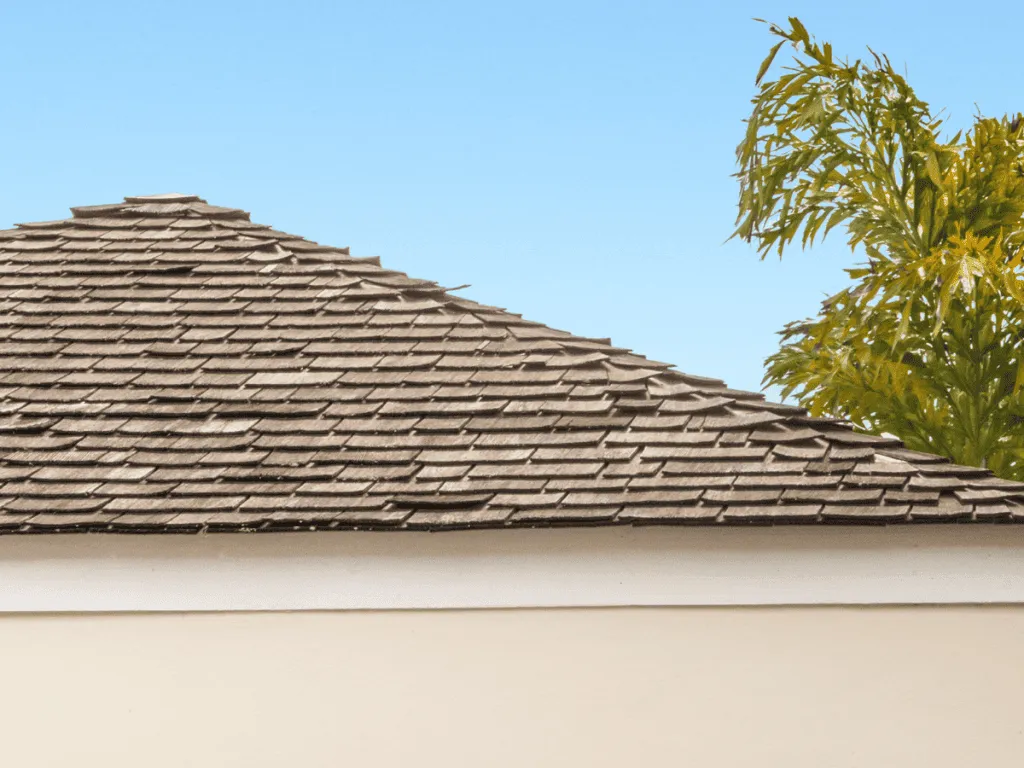
Cedar Shake Roofing Lifespan varies with material, installation, and maintenance. For Tampa Bay homeowners, high-performance alternatives like Enviroshake offer the same aesthetic with significantly less maintenance and better insurance compatibility.
How Long Does Cedar Shake Roofing Last?
Cedar shake roofing has long been the gold standard for architectural character and natural craftsmanship. However, for modern homeowners in the Tampa Bay area, the romantic appeal of wood often clashes with harsh environmental realities. Before investing, it is vital to ask: How long does cedar shake roofing really last in the Florida climate? What are the hidden maintenance costs? And how does wood impact your ability to secure homeowners insurance?
At Hytz Roofing (FL Lic. #CCC1332551), we believe in providing local homeowners with the facts. The truth is that cedar is no longer a “set it and forget it” material. Its longevity depends almost entirely on rigorous upkeep and the quality of the initial installation.
Cedar Shake vs. Composite Roofing Comparison
| Feature | Natural Cedar Shake | Enviroshake Composite |
|---|---|---|
| Average Lifespan | 10–15 years | 50+ years |
| Maintenance Needs | High (cleaning, treatments) | Minimal |
| Fire Resistance | Low (requires chemical treatments) | High (Class A fire rating available) |
| Wind Resistance | Moderate | High (tested for wind uplift resistance) |
| Insurance Impact | Often restricted or surcharged | Widely accepted, potential discounts |
Understanding the Actual Lifespan of Cedar Shakes
While marketing materials might suggest a 20-to-30-year lifespan, the current reality for most residential properties is closer to 10–15 years, according to industry standards recognized by the NRCA. In high-humidity regions like Florida, where roofs must meet strict Florida Building Code (FBC) requirements, the visual appeal of cedar can begin to degrade in as little as five years if proactive treatments are neglected.
Why Modern Cedar Isn’t What It Used To Be
Historically, cedar roofs lasted much longer because they were sourced from old-growth forests. This wood was dense, packed with natural resins, and highly resistant to rot. Today, cedar is harvested from younger, faster-growing trees. This results in a softer wood that is far more prone to moisture absorption, splitting, and rapid decay.
Common Warning Signs of Roof Failure
If you currently have a cedar roof, keep an eye out for these indicators that your system is reaching the end of its life:
- Significant fading or blotchy, uneven weathering
- Shakes that are curling, cupping, or lifting away from the deck
- Visible splitting and deep cracks
- Growth of moss, algae, or mold
- Recurrent leaks after heavy Tampa Bay storms
What Are the Hidden Costs of Maintaining Wood Roofing?
Maintaining a wood roof involves significant recurring expenses for professional cleaning, chemical treatments, and frequent repairs to prevent water intrusion.
Choosing a cedar shake roof is a commitment to a lifelong maintenance schedule. Because wood is an organic material, it is constantly fighting a battle against the elements. To protect your investment, you will need to budget for:
- Professional Cleaning: Removing debris, moss, and organic silt that traps moisture.
- Chemical Preservatives: Regular application of fungicides and water repellents to slow down the rotting process.
- Frequent Repairs: Replacing individual shakes that have warped or cracked to prevent water intrusion.
- Routine Inspections: Identifying small issues before they compromise the entire roofing system.
These recurring expenses can be substantial. Over the life of the roof, many homeowners find they have spent more on maintenance than they did on the original installation.
How Does a Cedar Roof Affect Your Homeowners Insurance in Florida?
Due to its natural flammability, a cedar roof can lead to massive premium surcharges, strict underwriting requirements, or even outright denial of coverage from insurance providers.
One of the most significant hurdles for cedar shake roofing in the modern market is its natural flammability. While shakes can be pressure-treated with fire retardants, these chemicals leach out over time. To maintain a specific fire rating, these treatments must be reapplied periodically.
Because of the inherent risk of ignition from embers or lightning, many insurance providers in Florida roofing markets, including Citizens Insurance, have become extremely restrictive. Upgrading to a fire-resistant roof may even qualify you for a My Safe Florida Home grant. Homeowners often face:
- Massive surcharges on annual premiums
- Strict underwriting requirements that are difficult to meet
- Outright denial of coverage or non-renewal notices
For those evaluating the long-term value of their home, these insurance complications must be factored into the total cost of ownership. We recommend reviewing our Checklist for Choosing the Right Roofing Material to see how different materials compare.
Why Enviroshake is the Smarter Choice for Tampa Bay
For homeowners who demand the timeless look of silvered or tapered cedar but want to avoid the headaches of wood, Enviroshake is the premier alternative. This composite roofing solution perfectly mimics the texture and profile of natural shakes while removing the vulnerabilities of organic material.
Benefits of Switching to Composite
Unlike natural wood, Enviroshake does not require chemical coatings to stay functional. It is engineered for superior wind uplift resistance, with some products carrying a Miami-Dade NOA (Notice of Acceptance) to withstand high winds, UV exposure, and heavy rain without rotting or warping.
While cedar is lucky to reach 15 years in some environments, Enviroshake is backed by a 50-year, fully transferable lifetime warranty. It has been tested to meet the highest industry standards for impact and fire resistance, making it much more attractive to insurance companies.
Comparing Long-Term Value: Cedar vs. Enviroshake
Natural Cedar Shake
- Lifespan: 10–15 years on average.
- Maintenance: High; requires cleaning and chemical treatments.
- Aesthetics: Becomes uneven and weathered quickly.
- Risk: High fire risk and potential insurance coverage issues.
Enviroshake Composite
- Lifespan: 50+ years.
- Maintenance: Minimal; no chemicals or specialized cleaning required.
- Aesthetics: Maintains the look of a premium wood roof for decades.
- Risk: High fire and wind ratings; widely accepted by insurers.
To learn more about how long different systems last, read our guide on the Lifecycle of a Roof or explore the process of Making the Switch from Cedar Shake to Enviroshake.
Is Your Roof Built for the Long Term?
So, how long does cedar shake roofing last? Without constant, expensive intervention, you can expect about a decade of reliable performance. If you want a roof that offers peace of mind along with curb appeal, a composite alternative is almost always the better financial and practical choice.
Ready to upgrade to a roof that lasts? As a GAF Master Elite contractor offering the Golden Pledge warranty, Hytz Roofing can help you find the perfect solution for your home.
Contact Us Today for a Consultation
Related Resources: Enviroshake Roofing Options | Residential Roofing Services | Get a Free Estimate