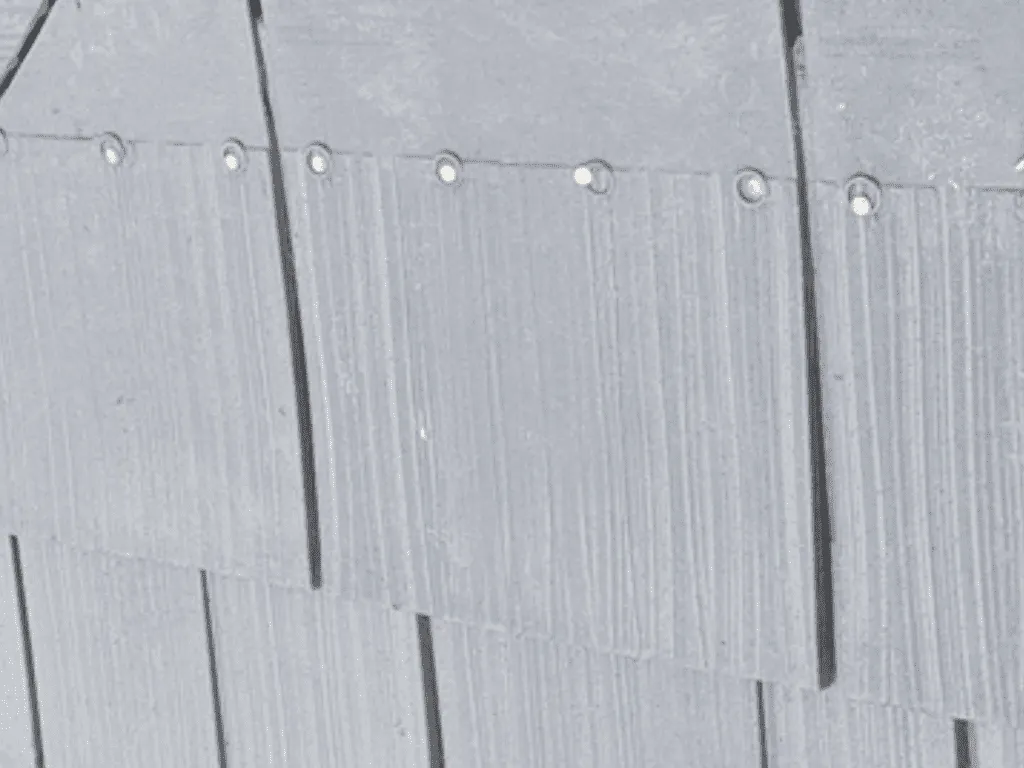
Stainless Steel Fasteners resist corrosion better than many galvanized options in humid, coastal environments, so durability and maintenance are key when choosing roof fasteners. For premium installations like Enviroshake, Hytz Roofing recommends stainless steel to ensure your hardware lasts as long as your 50-year shingles.
Galvanized vs. Stainless Steel Fasteners: What’s Best for Your Florida Roof?
Selecting the appropriate hardware is a critical step in any high-quality roofing project. Adherence to the Florida Building Code (FBC) is paramount.
| Factor | Details |
|---|---|
| Material Composition | Zinc-coated steel vs. Chromium-nickel alloy |
| Corrosion Resistance | Coating-dependent; vulnerable if scratched vs. Inherent; self-repairing passive layer |
| Coastal Suitability | Not recommended; zinc degrades in salt vs. Excellent; especially Type 316 |
| Longevity | Shorter lifespan, prone to early failure vs. Matches 50-year roofing warranties |
| Cost | Generally lower upfront vs. Higher upfront, but better long-term value |
| Typical Applications | General construction, less corrosive environments vs. Marine, coastal, high-corrosion areas |
| When our team at Hytz Roofing performs an installation of Enviroshake roofing, we specifically advocate for the use of stainless steel fasteners. This recommendation becomes even more vital for homeowners living in coastal areas across Tampa Bay, where the environment is particularly harsh on metal components NOAA. |
Why is the Right Fastener Material Crucial for Florida Homeowners?
The choice of fastener material directly impacts a roof's longevity and structural integrity, especially in Florida's harsh, corrosive environment.
While galvanized steel is often praised for being more ductile and easier to handle during the construction process, stainless steel offers superior structural integrity and unmatched resistance to environmental decay, crucial for resisting wind uplift resistance. The primary difference lies in how these metals handle moisture and salt.
What are the Key Differences Between Galvanized and Stainless Steel Fasteners?
Galvanized steel relies on a protective zinc coating, making it susceptible to corrosion if scratched, while stainless steel offers inherent, built-in resistance to oxidation due to its alloy composition.
Galvanized steel relies on a thin exterior layer of zinc coating to prevent rust. If this coating is scratched or wears down over time, the underlying steel is vulnerable to rapid corrosion. In contrast, stainless steel possesses inherent, built-in defenses against oxidation. Because Enviroshake roofing comes with a prestigious 50-year limited lifetime warranty, it is essential that the nails and screws holding the system together can match that half-century lifespan. This ensures proper granule adhesion and overall system performance. You don't want your fasteners to fail decades before your shingles do.
Understanding Environmental Risks in Tampa Bay
In the Tampa Bay region, our roofs are constantly under siege from various corrosive elements FEMA. It is vital to assess the specific environment of your property before selecting hardware, as metal fasteners can lose their load-bearing capacity if they begin to degrade.
Identifying Corrosive Factors
Many common materials and environmental conditions can accelerate the breakdown of roofing fasteners, including:
- Salt-heavy ocean air and sea spray
- Fire-retardant chemicals and fumes
- Fertilizers and garden chemicals
- Preservative-treated lumber
- Contact between dissimilar metals
Because it is difficult to predict exactly when corrosion will reach a dangerous level, Hytz Roofing follows industry best practices by using materials that mitigate these risks from day one.
Choosing the Right Grade of Stainless Steel
Not all stainless steel is created equal. For maximum protection, specifiers generally look toward Types 316, 305, and 304 stainless steel, as well as copper or silicon bronze.
The Superiority of Type 316 for Coastal Areas
Type 316 stainless steel is the gold standard for salt-marine environments, often specified for its Miami-Dade NOA (Notice of Acceptance) compliance. It contains 2-3% Molybdenum, which provides a higher level of protection against chlorides. While Types 304 and 305 are excellent nickel-chromium austenitic grades suitable for many corrosive settings, Type 316 is the only choice for homes directly exposed to the Gulf of Mexico or Tampa Bay's salt air.
Expert Roofing Solutions and Quality Hardware
At Hytz Roofing, a GAF Master Elite contractor, we ensure that every component of your roof is built to last. Beyond expert installation, we provide high-quality hardware, including bugle-head screws and large-head ring shanked nails. We stock these in both Type 304 and Type 316 stainless steel, available in coiled or loose formats to suit the specific needs of your project.
Are you ready to upgrade to a roof that can withstand the Florida elements? Get a Free Estimate from our team today.
Related Resources: Enviroshake Roofing Options | Residential Roofing Services | Get a Free Estimate