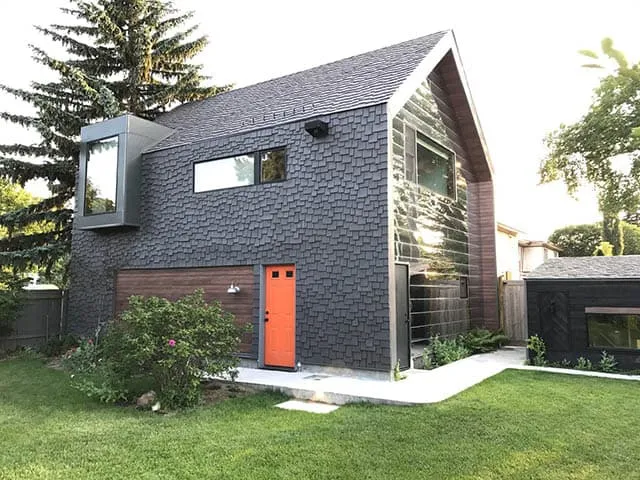
Sustainable Roofing is evolving as builders and designers explore materials, technologies, and design practices that improve environmental performance and long-term roof durability. By investing in durable composite materials like Enviroshake, Tampa Bay residents can achieve long-term savings, superior storm protection, and eco-friendly performance.
The Future of Sustainable Roofing: Eco-Friendly Solutions for Florida Homeowners
Key Takeaways
- Durability First: Sustainable roofing focuses on longevity, recycled content, and high-performance lifecycles.
- Cost Efficiency: Eco-friendly systems reduce long-term maintenance expenses and keep waste out of Florida landfills.
- Climate Resilience: Composite materials are leading the charge in green building and storm-ready architecture.
- Safety Standards: Fire resistance and impact ratings are critical factors for 2026 roofing choices.
- Value Over Price: The total lifecycle cost of a roof is a more accurate metric than the initial installation quote.
Sustainability is rapidly becoming the cornerstone of modern construction. In the Tampa Bay area, factors like climate change, evolving building codes [1], shifting insurance mandates [2], and rising repair costs are fundamentally changing how homeowners select materials. A roof is no longer just a cover; it is a vital component of a home’s energy efficiency, structural integrity, and environmental footprint.
| Factor | Traditional Roofing | Sustainable Roofing (e.g., Enviroshake) |
|---|---|---|
| Lifespan | 15-20 years (asphalt shingles) | 30-50+ years (composite materials) |
| Environmental Impact | High waste, raw material extraction | Recycled content, minimal waste, recyclable |
| Storm Resilience | Vulnerable to extreme weather | High wind uplift resistance, impact resistant |
| Energy Efficiency | Lower reflectivity, higher attic temps | High Solar Reflectivity Index (SRI), lower cooling costs |
| Insurance Premiums | Potentially higher, less predictable | Lower due to impact/fire ratings, more predictable |
| Maintenance | Frequent repairs and replacements | Low maintenance, long-term durability |
Contemporary innovations in the industry prioritize resilience and recyclability. At Hytz Roofing, we see a growing shift toward composite materials like Enviroshake roofing, advanced reflective surfaces, and fire-rated systems. For Florida residents looking to future-proof their homes, these decisions balance financial savvy with environmental stewardship.
Why is Sustainable Roofing a Top Priority for Tampa Bay in 2026?
Sustainable roofing has become a standard requirement due to climate change, evolving building codes, shifting insurance mandates, and rising repair costs, all of which necessitate property value protection and compliance with new sustainability regulations.
Eco-friendly roofing has transitioned from an elective upgrade to a standard requirement. Homeowners now look at the total lifecycle of a product rather than just the sticker price at installation. This evolution is fueled by the need for property value protection and compliance with new sustainability regulations.
Battling Florida’s Extreme Weather and Humidity
With the increasing frequency of severe Gulf Coast storms [3], high UV exposure, and intense humidity, traditional materials often fall short. Systems that deteriorate quickly require frequent replacements, which spikes both environmental waste and owner expenses.
True sustainability is rooted in durability. A roofing system designed to last for many decades minimizes the need for raw material extraction and reduces the carbon footprint associated with transportation. In Florida, climate resilience is the ultimate measure of a sustainable roof.
Lowering Insurance Premiums with Impact-Resistant Materials
Insurance carriers are increasingly scrutinizing fire resistance and impact ratings when setting premiums [4]. In high-risk zones, the material you choose can be the difference between affordable coverage and non-renewal.
Natural products, such as traditional cedar shakes, often carry higher liabilities than modern alternatives. Conversely, materials that resist rot, pests, and moisture damage offer the financial predictability that Florida homeowners crave.
Innovative Technologies Redefining Modern Roofs
Roofing technology now blends high-end aesthetics with rugged performance. Homeowners no longer have to choose between a beautiful home and an environmentally responsible one.
The Rise of Composite Materials like Enviroshake and Brava
composite roofing products utilize engineered polymers and recycled content to fight off the common enemies of Florida roofs: moisture and decay. These systems are specifically designed to overcome the inherent weaknesses of natural wood or slate.
Enviroshake, for example, produces composite profiles that perfectly mimic the texture of natural cedar while providing a much longer service life. This allows for a classic architectural look without the constant threat of rot or the need for frequent harvesting of natural resources.
Staying Cool with Reflective Surface Technology
Reflective or "cool roofing" technology is essential in the Sunshine State. These materials deflect solar radiation, keeping attic temperatures lower and reducing the strain on air conditioning systems.
Enviroshake’s Envirocool line features a Solar Reflectivity Index (SRI) of 31, meeting Title 24 standards. For maximum efficiency, their Bermuda White option boasts a staggering SRI of 80.9, significantly cutting energy consumption in tropical climates.
Green Building Certifications and Environmental Impact
Architects in the Tampa Bay area are increasingly designing homes to meet LEED or National Green Building Standard (NGBS) benchmarks. Enviroshake products are major contributors to these goals, utilizing 95% post-industrial recycled materials. Furthermore, their manufacturing process is nearly zero-waste, as all scrap is recycled back into the production line.
Independent testing has even confirmed that water runoff from Enviroshake systems is non-toxic, meeting World Health Organization standards for drinking water—a critical factor for homeowners interested in rainwater harvesting.
Smart Home Integration and Solar Compatibility
As solar energy becomes more prevalent across Florida, roofing systems must be sturdy enough to support panels for 25 years or more. A sustainable roof ensures that your renewable energy investment isn’t compromised by a failing substrate. Enviroshake systems are fully compatible with solar arrays, providing a stable foundation for the future of home energy.
Fire Resistance and Safety Innovation
With rising concerns over wildfire risks and urban fire spread, fire-rated materials have become a necessity. All Enviroshake products are available with a Class A fire rating (ASTM E108) [5], making them suitable for the most stringent safety zones, including Wildland Urban Interface (WUI) areas.
How Can You Select a Future-Proof Roof for Your Florida Home?
Selecting a future-proof roof involves looking beyond initial costs and marketing buzzwords, focusing instead on measurable data, lifecycle performance, and regional suitability to ensure long-term durability and protection.
Choosing a roof for the next 30 to 50 years requires looking beyond marketing buzzwords. Homeowners should focus on measurable data.
Lifecycle Performance vs. Initial Cost
While the upfront cost of composite materials may be higher than asphalt shingles, the long-term savings are substantial. When you factor in the lack of maintenance, insurance discounts, and the fact that you won’t need a roof replacement in 15 years, the value becomes clear.
Regional Suitability
In Florida, your roof must handle high-velocity winds and intense salt spray if you are near the coast. Sustainable solutions from Hytz Roofing are vetted for regional performance, ensuring they stand up to the unique environmental pressures of the Tampa Bay region.
Frequently Asked Questions
What exactly is sustainable roofing?
It refers to systems designed for maximum longevity and minimal environmental harm. This includes using recycled content, improving home energy efficiency, and choosing materials that won’t end up in a landfill for 50+ years.Why is sustainability a focus for Florida roofs in 2026?
Between stricter building codes and a volatile insurance market, homeowners need roofs that are fire-resistant and storm-resilient. Sustainable materials like composites offer the best protection against these modern challenges.How long do these eco-friendly materials actually last?
High-end composite systems like Enviroshake are engineered to significantly outlast traditional materials, often coming with warranties that span several decades, which reduces the total number of roof replacements over the life of the building.Are composite roofs truly better for the environment?
Yes. By using 95% recycled post-industrial materials and being 100% recyclable at the end of their life, products like Enviroshake prevent thousands of pounds of plastic from entering the ocean and reduce the demand for new oil and timber.
Contact Hytz Roofing (FL Lic. #CCC1332551) today to discuss how we can protect your home with the latest in sustainable roofing technology.
Related Resources: Enviroshake Roofing Options | Residential Roofing Services | Get a Free Estimate