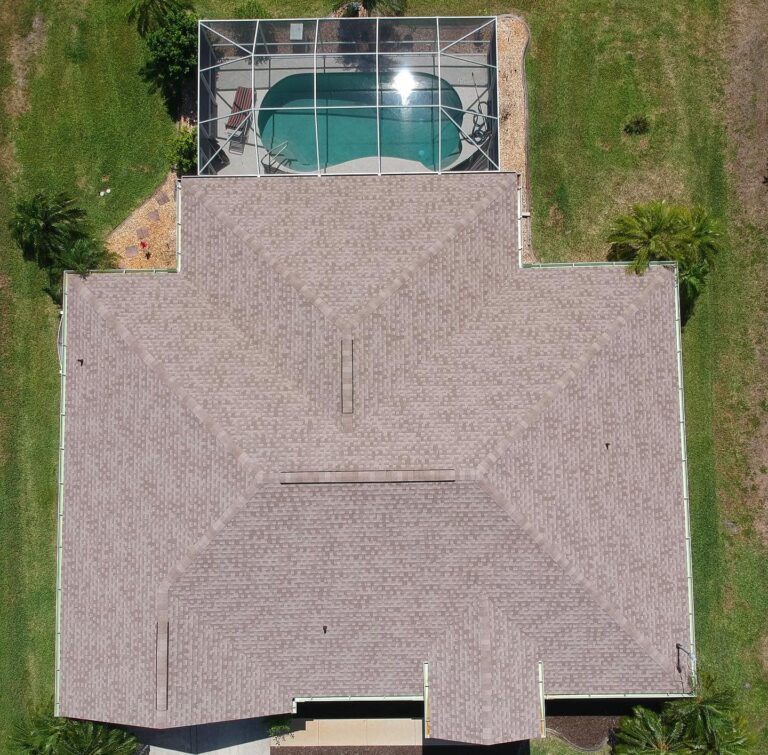
Alternative Roofing Materials help Tampa homeowners compare metal, tile, slate, synthetic, and green roofs and understand trade-offs in durability, weight, maintenance, and energy performance. Work with a local pro like Hytz Roofing to match material performance to Florida’s climate and building codes.
Alternative Roofing Materials for Tampa Homes
Published: 2023-12-05
When selecting a roof for your home, the material you pick greatly influences longevity, curb appeal, and performance—especially in Tampa’s hot, humid climate with frequent storms and the occasional hurricane. As a Tampa roofing contractor will tell you, alternatives to standard asphalt shingles can provide superior durability, better energy performance, or a distinctive look. Key considerations include wind uplift resistance and compliance with the Florida Building Code (FBC). Below is a concise guide to some of the top non-asphalt roofing choices and why they may suit your Florida home.
Why Choose Metal Roofing for Your Tampa Home?
Metal roofing offers superior longevity, wind resistance, and energy efficiency, making it an excellent choice for Florida's challenging climate.
Metal roofs are growing in popularity across the Tampa Bay area for good reasons: longevity, wind resistance, and reflective properties that help during long, hot summers.
How Durable Are Metal Roofs in Florida's Climate?
Metal roofs are exceptionally durable, designed to resist cracking, shrinking, and erosion even in harsh weather conditions.
Metal roofing systems are renowned for lasting 50 years or more when properly maintained, often featuring advanced algae-resistant coating [1]. They resist cracking, shrinking, and erosion—qualities that help them stand up to Tampa’s variable weather.
Energy Efficiency
By reflecting solar radiant heat, metal roofs can cut cooling costs by roughly 10–25% [2], an important advantage in Florida’s high summer temperatures. This makes metal a strong choice for homeowners interested in lowering energy bills.
Wind Resistance
Wind performance matters in a hurricane-prone region. Certain metal roofing systems are rated to withstand winds up to 140 mph or more, often meeting stringent Florida Building Code (FBC) requirements [3], giving them an edge in storm resilience.
Aesthetic Options
Metal roofing is available in many profiles and colors—from modern standing seam panels to metal shingles that mimic classic designs—so you can match the roof to your home’s architectural style.
Clay and Concrete Tiles
Clay and concrete tiles are a traditional and attractive roofing choice, often seen on Mediterranean- and Spanish-style homes around Tampa.
Longevity
These tiles are exceptionally long-lived; many clay and concrete tile roofs can exceed 100 years with correct installation and maintenance [1], making them a long-term investment despite higher upfront costs.
Fire Resistance
Both materials are non-combustible, offering strong fire resistance. For Florida homeowners concerned about wildfires or local fire risk, this is a noteworthy benefit.
Thermal Performance
The natural insulating characteristics of clay and concrete tiles help moderate indoor temperatures—keeping homes cooler in summer and contributing to lower energy use.
Visual Appeal
Tiles come in many colors and shapes, from classic red clay to contemporary concrete profiles, giving homeowners a wide palette for enhancing curb appeal.
Slate Roofing
Slate offers timeless elegance and exceptional longevity for homeowners who want a premium roofing solution.
Exceptional Lifespan
Slate roofs frequently last 100 years or more, often outliving most other roofing materials. This durability can justify the higher initial expense for many homeowners.
Natural Beauty and Low Maintenance
As a natural stone, slate provides unique color and texture variations that age gracefully. Slate is resistant to mold, mildew, and insect damage and typically requires minimal ongoing maintenance.
Cost Consideration
Slate roofing is among the most expensive options available. For homeowners whose priorities are long-term durability and high-end aesthetics, the investment may be worthwhile.
Synthetic Roofing Materials
Synthetic roofing products are engineered to mimic natural materials like slate or wood while often costing less and requiring less upkeep.
Affordability
Synthetic options—made from plastic, rubber, or polymer composites—tend to be more budget-friendly than the natural products they emulate.
Durability and Weather Resistance
Modern synthetic roofs are built to resist heavy rain, strong winds, and UV exposure, making them well-suited for Florida’s tough weather.
Lightweight and Easier Installation
Their lighter weight can simplify installation and reduce the need for additional structural reinforcement compared to heavier materials, especially when considering the underlayment.
Eco-Friendly Choices
Some synthetic products incorporate recycled materials and their longer service life reduces the frequency of replacements, which can lower environmental impact over time.
Green Roofs (Living Roofs)
Green roofs—covered with vegetation—are becoming more popular for homeowners seeking sustainable, functional roof systems.
Environmental and Cooling Benefits
Green roofs reduce the urban heat island effect, filter air pollutants, and provide extra insulation that can lower energy costs—advantages that are attractive in dense or heat-prone neighborhoods.
Stormwater Management
Because they absorb and retain rainwater, green roofs reduce runoff and help manage stormwater—an especially useful trait in Tampa, where heavy rain events are common.
Biodiversity and Aesthetics
Living roofs can support plant and wildlife habitats and add a visually appealing, green element to upper-story views or rooftop decks.
Key Considerations for Your Tampa Roof:
- Longevity: How long do you expect your roof to last given Florida's climate?
- Wind and Fire Resistance: Essential for hurricane-prone areas and safety.
- Energy Savings: Reflective properties can significantly reduce cooling costs.
- Aesthetics: Matching the roof to your home's architectural style and curb appeal.
- Sustainability: Options like green roofs or recycled synthetics for environmental benefits.
- Budget: Balancing upfront costs with long-term value and maintenance.
Conclusion
Choosing the best roofing material for your Tampa home depends on your priorities—whether that’s longevity, wind and fire resistance, energy savings, aesthetics, or sustainability. Traditional asphalt shingles remain a popular choice, but alternatives like metal, clay or concrete tiles, slate, synthetic roofs, and green roofs each bring distinct benefits tailored to Florida’s climate. Consult a professional roofing company in Tampa, such as Hytz Roofing, to evaluate materials against your budget, home design, and local building codes so you get a roof that protects your home and performs well for years to come. They can also advise on wind mitigation inspection benefits.
Related Resources: Roof Repair Services | Storm Damage Restoration | Residential Roofing | Get a Free Estimate