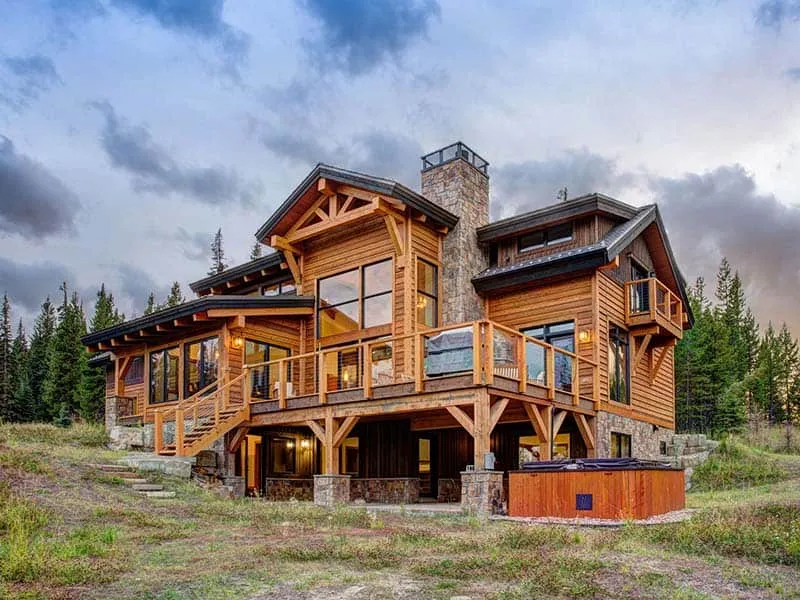
Roofing Cost Comparison outlines the major factors, including materials, labor, roof size, and project complexity, that influence overall roofing expenses. The investment in a quality roofing system protects your home from the elements, especially during hurricane season. This guide breaks down the factors influencing roofing costs and helps you make an informed decision.
What is the Roofing Material Cost Comparison?
Understanding the financial implications of different roofing materials is crucial for homeowners in Tampa Bay, FL. This table provides a general overview of common roofing types and their cost factors, helping you compare options.
| Factor | Details |
|---|---|
| Asphalt Shingles | Most common, cost-effective, good for many climates. |
| Metal Roofing | Durable, long lifespan, energy-efficient, higher upfront cost. |
| Tile Roofing | Aesthetically pleasing, very durable, high wind resistance, premium cost. |
| Flat/Low-Slope | TPO or Modified Bitumen membranes, ideal for specific architectural styles. |
| Specialty Materials | Wood shakes, synthetic options, often higher cost with unique benefits. |
What Factors Influence the Cost of a New Roof in Florida?
The cost of a new roof in Florida is influenced by several key factors, including material choice, roof size and complexity, labor rates, and local building codes [1].
How Does Material Choice Affect Overall Roofing Expenses?
Material choice significantly impacts overall roofing expenses, with options ranging from economical asphalt shingles to premium tile or metal systems, each offering different durability and aesthetic benefits [2]. This is because different materials have varying costs, installation requirements, and lifespans, all of which contribute to the total project expense.
When considering a new roof, homeowners often evaluate options like asphalt shingles, metal roofing, and tile roofing. Each material has distinct characteristics affecting its wind uplift resistance and overall lifespan. For instance, asphalt shingles, while cost-effective, may require more frequent replacement compared to the longevity of a TPO membrane on a flat roof or durable tile systems. The Florida Building Code (FBC) sets specific requirements for roofing installations, particularly concerning wind resistance, which can influence material choices and installation methods [3].
Here are key considerations when budgeting for your roofing project:
- Material Costs: Varies widely by type (e.g., asphalt, metal, tile, SBS-modified bitumen). The choice of material directly impacts the initial outlay and long-term durability.
- Labor: Influenced by roof complexity, pitch, and local labor rates. Experienced installers ensure proper adherence to codes and manufacturer specifications.
- Permits and Inspections: Necessary for compliance with local regulations and the Florida Building Code. These ensure your roof meets safety and structural standards.
- Old Roof Removal: Disposal fees for existing materials. Proper removal is crucial before new installation.
- Underlayment: Essential for waterproofing and often a requirement for proper granule adhesion. It provides an extra layer of protection against moisture.
- Warranty: Consider options like the Golden Pledge warranty for GAF products, which offers comprehensive coverage. A strong warranty protects your investment.
- Wind Mitigation Inspection: Can lead to significant savings on homeowner's insurance [4]. This inspection assesses your home's ability to withstand high winds.
- Roof Complexity: Steep pitches, multiple valleys, and chimneys can increase labor and material costs.
- Accessibility: Difficult-to-access roofs may require specialized equipment, adding to the overall expense.
Understanding these elements, including the importance of a proper drip edge and step flashing, helps ensure a comprehensive and accurate estimate.
Related Resources: Enviroshake Roofing Options | Residential Roofing Services | Get a Free Estimate
References
[2] NRCA