Cool Roof Florida: Is It Worth It for Your Home?
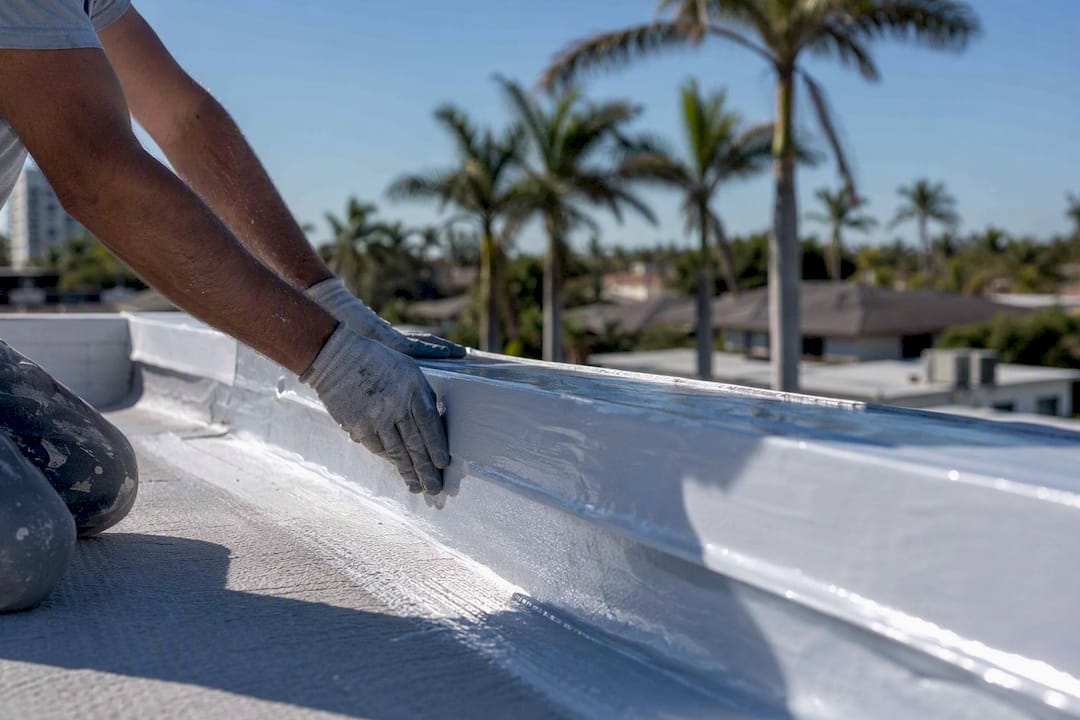
Yes, a cool roof is worth it for most Florida homes. It cuts cooling costs, lowers attic temperatures, and often pays for itself faster than homeowners expect. The biggest winners are homes with flat or low-slope roofs, poorly insulated attics, or ductwork running through the attic space, since those setups lose the most energy to heat right now. Expect annual cooling savings and payback timelines that vary by roof type and insulation, so treat any number you hear as a range instead of a guarantee. Before you pick a material, check Florida Building Code solar reflectance index (SRI) thresholds and ask about local utility rebates.
Three things to do this week:
- Check your attic insulation and duct condition.
- Ask any roofing contractor for the product’s SRI specs in writing.
- Request a home-specific energy savings estimate before signing anything.
Pro Tip: Don’t shop for a cool roof by color alone. Two “white” products can have very different SRI ratings, and that gap is what actually drives your savings.
Table of Contents
- What Is a Cool Roof and How Does the Florida Rating System Work?
- What Are the Real Benefits of a Cool Roof in Florida?
- Which Cool Roofing Materials Work Best for Florida Homes?
- Should You Coat, Recover, or Replace Your Roof?
- What Does a Cool Roof Cost in Florida, and What’s the Payback?
- How Do You Choose the Right Cool Roof for Your Home?
- How Long Do Cool Roofs Last in Florida’s Climate?
- Why Does the Contractor You Hire Matter This Much?
- What This Means for Your Roof
- Where to Check Cool Roof Ratings and Florida Rules
- Cool Roofs Deliver, But Not the Way Most Homeowners Expect
- Get a Cool Roof Assessment From a Licensed Tampa Bay Roofer
- Sources
- FAQ
What Is a Cool Roof and How Does the Florida Rating System Work?
A cool roof reflects more sunlight and releases absorbed heat faster than a standard roof, which keeps both the roof surface and your attic cooler. Two numbers drive that performance: solar reflectance (SR), which measures how much sunlight bounces off the surface, and thermal emittance (TE), which measures how quickly the material releases the heat it does absorb. Combined, they produce the Solar Reflectance Index (SRI), the single number contractors and code officials use to compare products.
The temperature difference is dramatic. A clean white roof reflecting about 80% of sunlight can run roughly 50°F cooler than a darker roof on a hot summer afternoon, according to the U.S. Department of Energy.
- White membranes hit the highest SR numbers with minimal effort.
- Cool-colored shingles and tiles use special pigments to boost near-infrared reflectance without looking stark white.
- Metal roofing with reflective coatings balances high SRI with Florida’s wind requirements.
ENERGY STAR’s cool roof program rates products on both SR and TE, and the Cool Roof Rating Council’s directory lets you check a specific product’s numbers before you buy. The DOE Cool Roof Calculator, built with Oak Ridge National Laboratory, estimates savings for your city and roof type instead of relying on a national average.
What Are the Real Benefits of a Cool Roof in Florida?
The core benefit is simple: less heat enters your attic, so your AC runs less. DOE and industry estimates put typical cooling energy reductions in hot climates at 10% to 25%, with some well-insulated setups reporting even more. On a typical Tampa Bay home, that translates to a meaningful cut in your summer electric bill, though the exact dollar figure depends on your insulation, duct location, and utility rates.
Lower roof temperatures mean less thermal expansion and contraction, which is one of the main things that ages roofing membranes and shingles. That reduced stress can extend material life and ease the workload on your HVAC system, since it isn’t fighting a superheated attic all day.
Beyond your own house, cool roofs help the whole neighborhood. The EPA notes that cool roofs lower local air and surface temperatures and reduce peak electrical demand, which eases strain on the grid during Florida’s brutal July and August afternoons.
Other benefits worth knowing about:
- Wind-rated, impact-resistant cool roofing can qualify for insurance credits in Florida.
- Rooms without dedicated AC (garages, workshops, screened additions) feel noticeably more comfortable.
- Reduced grid strain can mean fewer rolling brownouts during peak demand events.
Which Cool Roofing Materials Work Best for Florida Homes?
Florida homeowners have real choices here, not just “white or nothing.” The main groups are white membranes (TPO, PVC, EPDM with a reflective coating), reflective metal roofing, cool-colored asphalt shingles, light-colored tile, and elastomeric roof coatings applied over an existing surface.
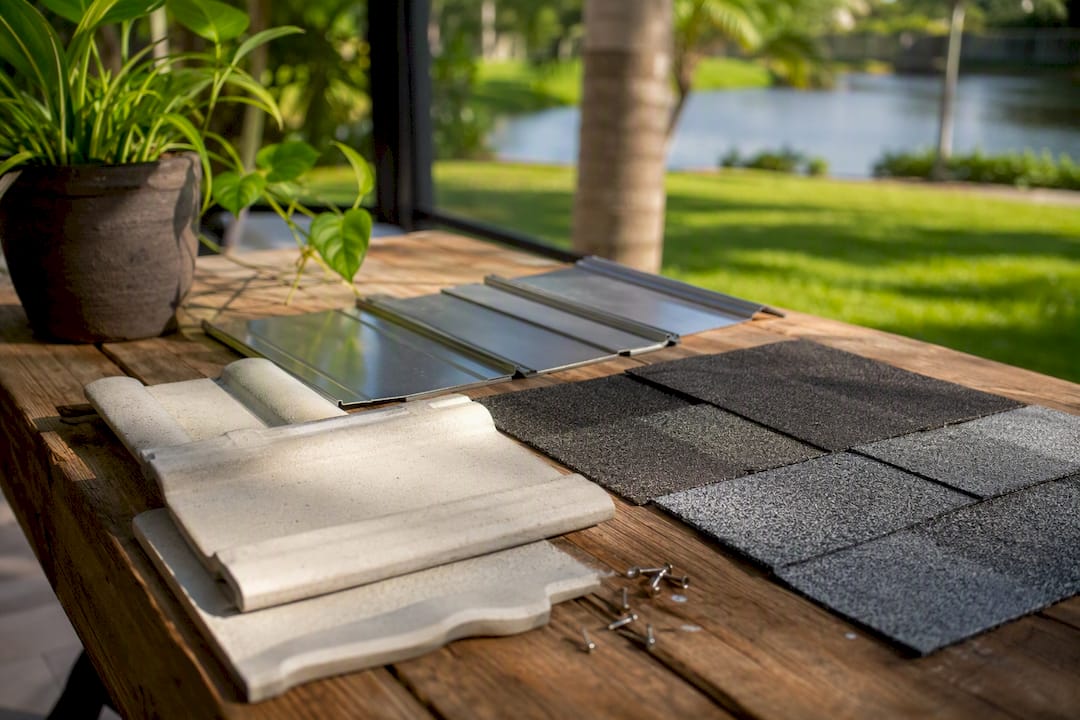
| Material | Typical SRI Range | Life Expectancy | Best For |
|---|---|---|---|
| White TPO/PVC membrane | High (often 80+) | 20-30 years | Flat and low-slope roofs |
| Reflective metal | Moderate to high | 40-70 years | Steep-slope, hurricane zones |
| Cool-colored shingles | Low to moderate | 20-30 years | Steep-slope homes wanting a traditional look |
| Light concrete/clay tile | Moderate | 50+ years | Mediterranean-style homes, HOA compliance |
| Elastomeric coating | High when new | 10-15 years (recoat needed) | Aging flat roofs needing a boost |
Cool-colored pigments matter because they let you keep a darker, more traditional shade while still bumping up near-infrared reflectance behind the scenes. That means a homeowner in a deed-restricted community isn’t stuck choosing between “compliant with the HOA” and “compliant with the energy code.”
Steep-slope roofs generally favor metal or tile for long-term value, since both handle Florida’s wind loads well and last decades longer than shingles. Low-slope and flat sections do best with membranes, which is why we install TPO systems on so many Tampa Bay additions and commercial buildings.
Pro Tip: In coastal and humid areas, ask specifically for algae-resistant or biocide-treated membranes. Standard white roofing can lose a meaningful chunk of its reflectance within a few years without that protection.
Should You Coat, Recover, or Replace Your Roof?
If your existing roof is in good structural shape with no widespread leaks, a reflective coating is often the fastest, cheapest path to cool-roof performance. If the roof is nearing the end of its service life or has damage, a recover or full replacement makes more sense.
- Coating — Apply an elastomeric or acrylic coating over sound existing roofing. Lowest cost, shortest disruption, but needs recoating roughly every 10 to 15 years.
- Recover — Add a new cool membrane over the existing roof deck when the substrate is still solid. Mid-range cost, avoids full tear-off, but adds weight and isn’t always allowed under Florida code depending on roof age and condition.
- Full replacement — Tear off and rebuild. Highest cost, but it’s your only option when the deck is compromised, and it’s the only path that lets you fully meet current Florida Building Code wind and reroofing requirements.
Any reroof project in Florida triggers current code compliance, including wind uplift standards, which is a key reason full replacement often makes more sense than a recover on older homes. A typical timeline runs inspection, then permitting, then installation, then final inspection.
Pair whichever option you choose with attic insulation upgrades or duct sealing. A high-SRI roof paired with better attic insulation produces a much bigger combined energy savings than swapping the roof surface alone.
What Does a Cool Roof Cost in Florida, and What’s the Payback?
Cool roofing materials typically carry a modest premium over standard products, and that premium varies significantly by material category, so get a specific quote rather than assuming a flat number. The bigger driver of your payback timeline isn’t the roof alone. It’s how that roof interacts with your attic insulation, duct placement, and local utility rates.
DOE research puts typical cooling energy reductions from cool roofs in hot climates between 10% and 25%, and homes with attic ductwork or minimal insulation tend to land at the higher end of that range once upgraded.
Before you commit to a product, check these Florida-specific items:
- Florida Building Code SRI thresholds for your roof slope and county.
- Local utility rebate programs (these change frequently, so ask your utility directly).
- Whether your material choice also qualifies for a wind-mitigation insurance credit.
- The DOE/ORNL Cool Roof Calculator, which produces a savings estimate specific to your city and roof assembly.
Wind-rated, impact-resistant cool roofing can double up on savings by earning both energy performance and insurance premium reductions, and it tends to hold up better at resale too.
How Do You Choose the Right Cool Roof for Your Home?
Start with the fundamentals: your roof’s slope, your attic insulation and ventilation setup, whether ducts run through the attic, your required wind rating, and your budget. Those five factors narrow the material list fast.
When you’re comparing quotes, run through this checklist:
- Ask for the exact SRI number, not just “it’s a cool roof.”
- Confirm ENERGY STAR or CRRC listing for the specific product.
- Check the manufacturer’s wind and impact ratings against Florida code minimums.
- Ask whether the membrane or shingle is algae-resistant.
- Get the maintenance schedule in writing, including recoat intervals.
- Verify the installer’s license, insurance, and manufacturer certification.
If you live in an HOA or historic district, bring the cool-colored options to that conversation early. Many communities that ban stark white roofs will approve cool-colored shingles or tile once they see the SRI numbers hold up. Our guide on choosing a roofing contractor in Tampa Bay walks through the exact questions to ask about permitting timelines and storm prep during your bids.
How Long Do Cool Roofs Last in Florida’s Climate?
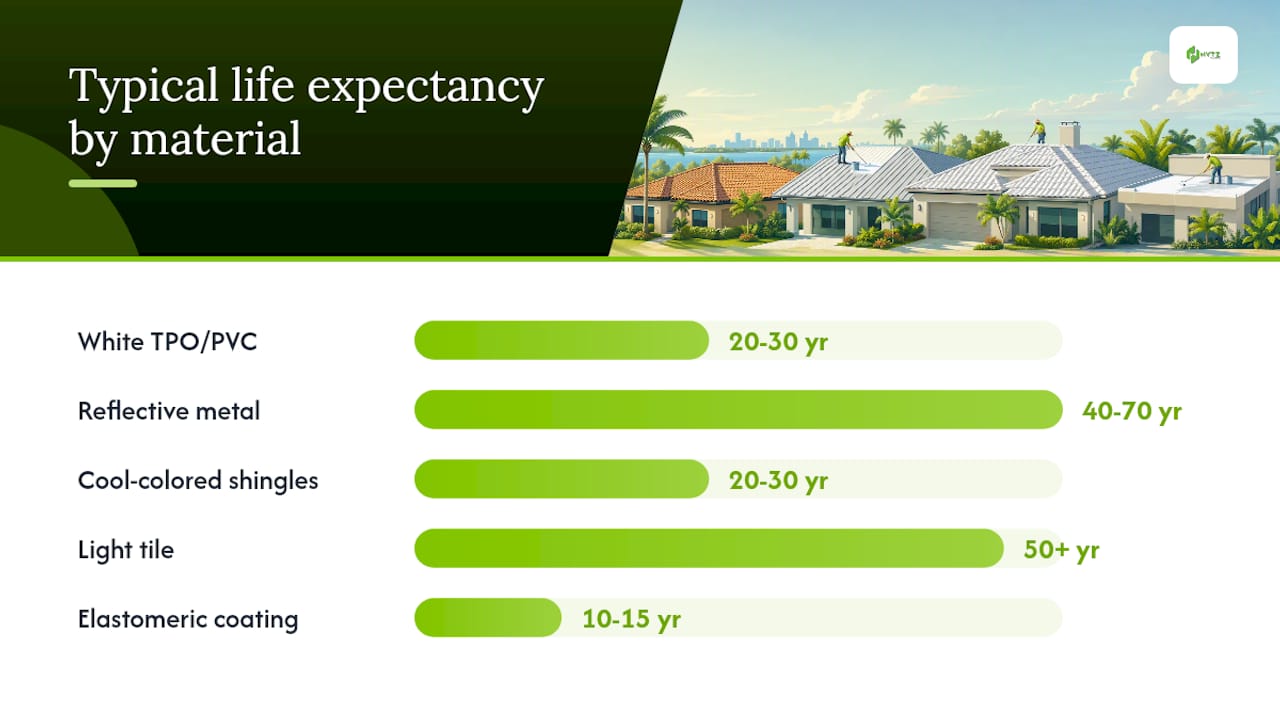
Lifespan tracks closely with material choice: membranes run 20 to 30 years, metal 40 to 70 years, tile 50-plus years, and coatings need recoating roughly every 10 to 15 years. Reflectance itself degrades faster than the material does, driven mainly by dirt buildup and biological growth on humid coastlines.
Keep these maintenance habits on your calendar:
- Schedule an annual roof inspection, ideally before hurricane season.
- Clean membrane surfaces on a regular schedule to preserve reflectance.
- Check flat roofs for ponding water after heavy rain events.
- Treat algae growth promptly rather than letting it spread.
- Recoat elastomeric systems on the manufacturer’s recommended interval.
Biological soiling is the quiet killer of cool roof performance in Florida. A membrane that tests high on reflectance the day it’s installed can lose a significant share of that benefit within a few years if algae and grime aren’t managed.
After any tropical storm or hurricane, check seams, flashing, and membrane integrity before you assume everything’s fine. Our post-storm roof leak guide covers what to look for. Keep your reflectance and warranty documentation together in case you need it for a rebate application or an insurance claim later.
Why Does the Contractor You Hire Matter This Much?
Cool roofing only delivers on its promise when it’s installed to Florida’s wind code, sealed correctly against moisture, and specified with the right SRI product for your slope. Get any of those wrong and you lose the energy benefit, the warranty, or both.
Hytzroofing is a GAF Master Elite Contractor, a distinction held by fewer than 2% of roofing contractors in North America, and holds Florida Contractor License #CCC1332551 along with an A+ BBB rating.
A typical cool roof project with our crews runs through:
- Site inspection covering roof slope, attic insulation, and duct location.
- SRI specification review against Florida code requirements.
- Permit handling with your local building department.
- Installation, followed by a final inspection and warranty documentation.
We factor in Tampa Bay’s specific conditions, salt air, high humidity, and wind exposure, when recommending algae-resistant formulations and wind-rated assemblies for coastal properties.
What This Means for Your Roof
A cool roof pays off fastest when it’s paired with adequate attic insulation, the correct SRI product for your roof slope, and a Florida-licensed installer who gets the wind and moisture details right the first time.
| Point | Details |
|---|---|
| Attic insulation drives payback | Pairing a high-SRI roof with better attic insulation produces bigger combined savings than the roof alone. |
| Match material to slope | Membranes suit flat roofs, while metal and tile perform best on steep-slope Florida homes. |
| Check SRI in writing | Ask for the exact CRRC or ENERGY STAR rating, not just a color description. |
| Algae resistance matters here | Humid coastal conditions accelerate reflectance loss without biocide-treated products. |
| Hytzroofing installs to code | GAF Master Elite certification and Florida license #CCC1332551 back every cool roof project we complete. |
Where to Check Cool Roof Ratings and Florida Rules
- ENERGY STAR cool roof pages — confirm certification status.
- EPA heat island resources — community-level context.
Cool Roofs Deliver, But Not the Way Most Homeowners Expect
Most articles on this topic sell cool roofs as a simple color swap: pick white, save money, done. That’s misleading. The homes that see the biggest gains aren’t the ones with the whitest roof. They’re the ones where the roof and the attic work as a system, insulation, duct sealing, and reflectance all pulling in the same direction.
The conventional advice also underplays Florida’s maintenance reality. A cool roof installed without algae resistance in a humid Tampa Bay neighborhood can quietly lose much of its reflective benefit within a handful of years, and nobody sends you a reminder when that happens. If you’re evaluating a bid, spend as much time asking about biocide formulations and recoat schedules as you do about the sticker price.
My take: prioritize the attic inspection before you even talk materials. A high-SRI roof over a poorly insulated attic with exposed ducts is spending money to solve half the problem. Fix the whole system, then choose the roof that fits your slope, budget, and code requirements.
Get a Cool Roof Assessment From a Licensed Tampa Bay Roofer
Hytzroofing is the direct path to a cool roof that’s actually specified correctly for your home, not just sold on color. We handle the attic and duct review, the SRI product matching, the permitting, and the final inspection, so you’re not left guessing whether your new roof meets Florida Building Code or qualifies for the insurance credit you were promised.
If your roof is nearing the end of its life or you’re evaluating a full roof replacement in Tampa, we’ll walk your property, check your attic setup, and give you SRI-backed material options that fit your slope, budget, and HOA requirements. For flat and low-slope sections, our TPO roofing installations use high-reflectance membranes built for Tampa Bay’s heat and storm exposure. Homeowners planning a broader exterior upgrade alongside their roof project often pair this work with other improvements, like the exterior material comparisons covered by our partners at Rescreen Rescue.
Request a free on-site estimate and we’ll tell you honestly whether coating, recovering, or replacing makes the most sense for your specific roof.
Sources
FAQ
How much do cool roofs cost in Florida?
Cool roofing materials typically carry a modest premium over standard products, and the exact amount depends on the material category and your roof’s size and slope. Get a specific quote from a licensed contractor rather than relying on a national average.
Do cool roofs really work in Florida’s climate?
Yes. DOE data shows a reflective white roof can run roughly 50°F cooler than a dark roof, and cooling energy reductions in hot climates typically fall in the 10% to 25% range.
What is the new law in Florida about roofs?
Florida’s Building Code sets solar reflectance index thresholds and wind uplift standards that apply whenever you reroof, meaning any full replacement must meet current code requirements even if your old roof predated them.
How long do cool roofs last?
Lifespan depends on material: white membranes run 20 to 30 years, reflective metal 40 to 70 years, tile 50-plus years, and elastomeric coatings need recoating roughly every 10 to 15 years to maintain performance.
Does a cool roof affect my home’s resale value?
A wind-rated cool roof with documented energy performance and remaining warranty life tends to be a selling point in Florida, particularly when it comes with insurance credit eligibility already established.
Recommended
- Enviroshake Roofing in Tampa Bay: Ultimate Durability & Value | Hytz Roofing
- Best SharpeRoof.com Alternatives for Florida Homeowners | Hytz Roofing
- Choose the Best Roofing Contractor in Tampa Bay, Florida: Your Guide | Hytz Roofing
- Roof Repair in Tampa Bay: Your Guide to Florida’s Elements | Hytz Roofing