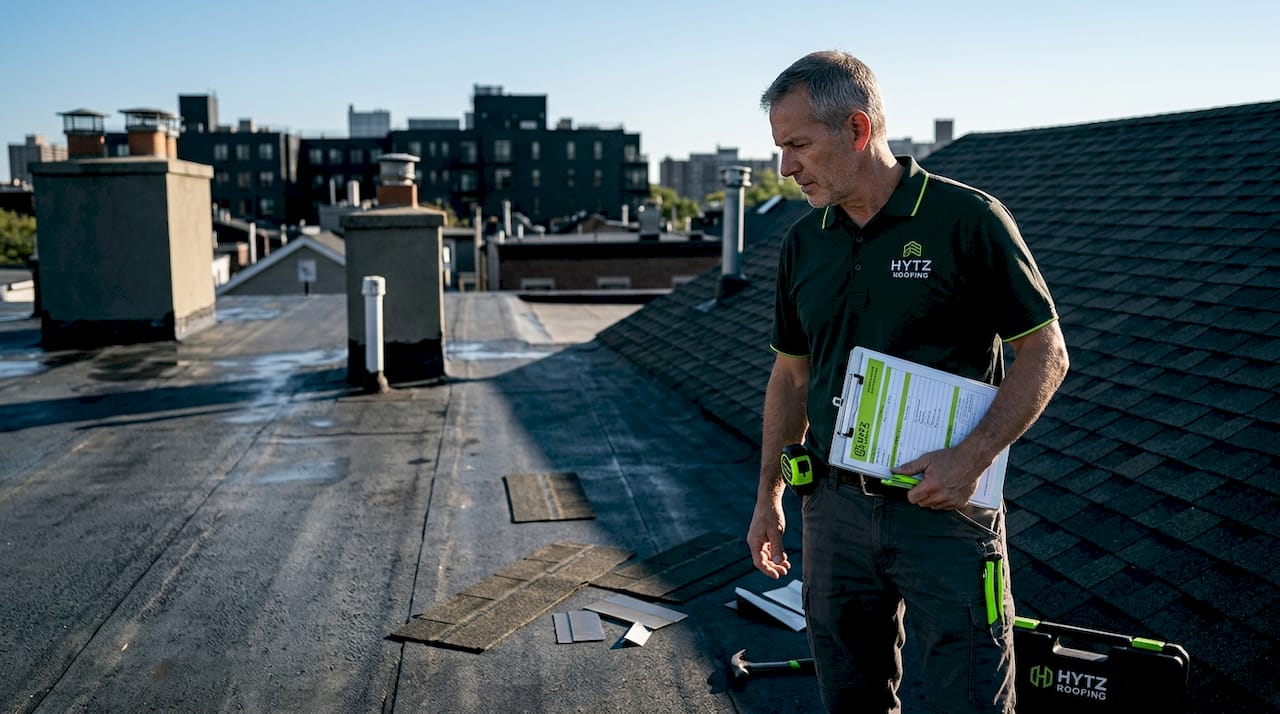
Commercial vs Residential Roofing: What You Need to Know
Commercial and Residential Roofing explains the main differences in materials, installation, and maintenance between commercial structures and homes.
Last updated: August 8, 2026
If you own or manage property, understanding the difference commercial and residential roofing represents is one of the most practical things you can do before your next roofing project. These are not simply two versions of the same thing. They involve different structural systems, materials, installation methods, costs, and maintenance demands. Get it wrong and you end up with the wrong contractor, the wrong materials, and a bill that reflects both mistakes. This guide breaks down every key difference so you can make confident, informed decisions from day one.
Table of Contents
- Key takeaways
- Structural design: the core difference between commercial and residential roofing
- Materials and installation: how roofing systems really differ
- Cost and lifespan: planning your roofing investment
- Maintenance, repair, and safety demands
- Choosing the right roofing service for your property
- My honest take on the mistakes I see most often
- Ready to get the right roof for your property?
- FAQ
Key takeaways
| Point | Details |
|---|---|
| Slope drives everything | Commercial roofs are typically low-slope or flat; residential roofs are pitched, and that single difference changes almost every other decision. |
| Materials are not interchangeable | TPO, PVC, and built-up roofing serve commercial needs; asphalt shingles and standing seam metal serve residential needs. |
| Costs scale with complexity | Commercial projects cost more upfront due to size, materials, and crew requirements, but offer longer service life when installed correctly. |
| Maintenance demands differ | Flat commercial roofs face drainage and waterproofing challenges that pitched residential roofs simply do not have. |
| Contractor specialization matters | Hiring a contractor experienced only in one roof type for the other often leads to preventable installation errors. |
Structural design: the core difference between commercial and residential roofing
The most fundamental distinction between commercial and residential roofing systems is roof slope, and it shapes everything that follows.
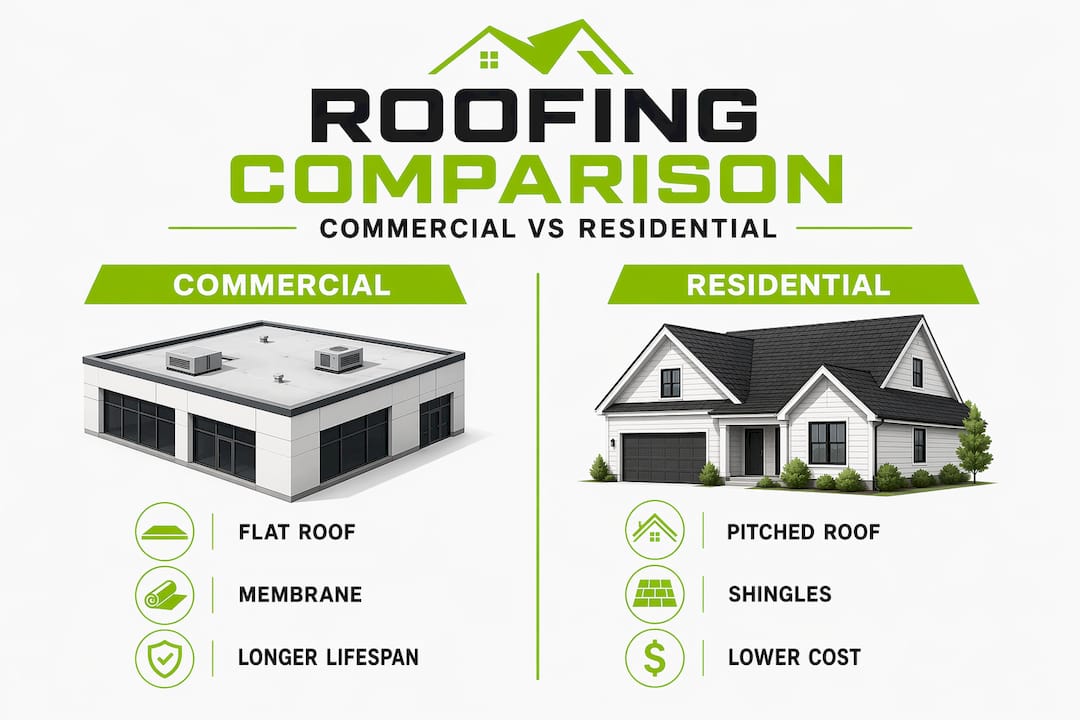
Residential roofs are pitched. That slope sheds water naturally, which is why asphalt shingles work so well on homes. Water runs off before it can pond and cause damage. The steep pitch also means the structural support underneath is typically timber rafters with a plywood deck.
Commercial buildings are a different story entirely. Most commercial structures use low-slope or essentially flat roof designs. These roof geometries match the wide, open floor plans that warehouses, retail centers, and office buildings need. The structural decking is often heavy-gauge steel rather than plywood, and the load-bearing requirements are significantly greater because the roof may need to support HVAC units, solar panels, exhaust systems, and foot traffic from maintenance crews.
Here is what that structural difference means in practice:
- Water drainage on a flat commercial roof must be engineered deliberately through internal drains, scuppers, and tapered insulation. On a residential roof, gravity does most of the work.
- Structural load capacity is built into commercial roof decks to accommodate rooftop equipment that a residential roof would never carry.
- Deck material affects how roofing layers are fastened. Steel decks require specific fasteners and adhesives that are entirely different from those used on plywood.
- Roof geometry on commercial buildings is usually simpler in shape but vastly larger in area, while residential roofs are smaller but often far more complex with multiple slopes, hips, valleys, and dormers.
Pro Tip: If you manage a commercial property, always request a roof load certification before adding any rooftop equipment. Adding HVAC units to a roof that was not designed for that weight is one of the most common causes of structural damage we see.
Materials and installation: how roofing systems really differ
Once you understand the slope difference, the materials and installation distinctions make a lot more sense. Each roof type calls for a completely different set of products and skills.
Commercial roofing materials
Low-slope commercial roofs rely on membrane systems and built-up assemblies designed to waterproof a large, nearly flat surface. The most common options are:
- TPO (Thermoplastic Polyolefin): A single-ply white membrane heat-welded at seams. Popular for energy efficiency and relatively straightforward installation on large flat surfaces.
- PVC membranes: Similar to TPO but chemically resistant, making them a strong choice for restaurants and facilities that exhaust oils and greases onto the roof surface.
- EPDM (Ethylene Propylene Diene Monomer): A rubber membrane widely used for decades, known for durability and flexibility in cold temperatures.
- Built-up roofing (BUR): Multiple layers of bitumen and reinforcing fabric topped with gravel. One of the oldest commercial systems and still used where heavy foot traffic is expected.
- Heavy-gauge metal roofing: Commercial metal roofing uses heavier gauge steel with long panel runs suited for low-slope surfaces, along with specialized finishes for corrosion resistance.
Residential roofing materials
Residential roofs use materials optimized for a pitched surface and visual appeal. Asphalt shingles dominate the market because they are cost-effective, widely available, and easy to replace. Standing seam metal and metal shingles work well on steeper residential roofs, prioritizing aesthetics and clean transitions around complex roof geometries like dormers and valleys. Clay tiles, concrete tiles, and synthetic slate round out the options for homeowners wanting long-term durability with strong curb appeal.
Installation complexity
Commercial roofing projects often need cranes, lifts, and larger crews because of the scale and the weight of materials being moved. A residential re-roof might take a crew of four or five people two or three days. A commercial re-roof on a 50,000 square foot warehouse can take weeks and require full project coordination with building management to minimize business disruption.
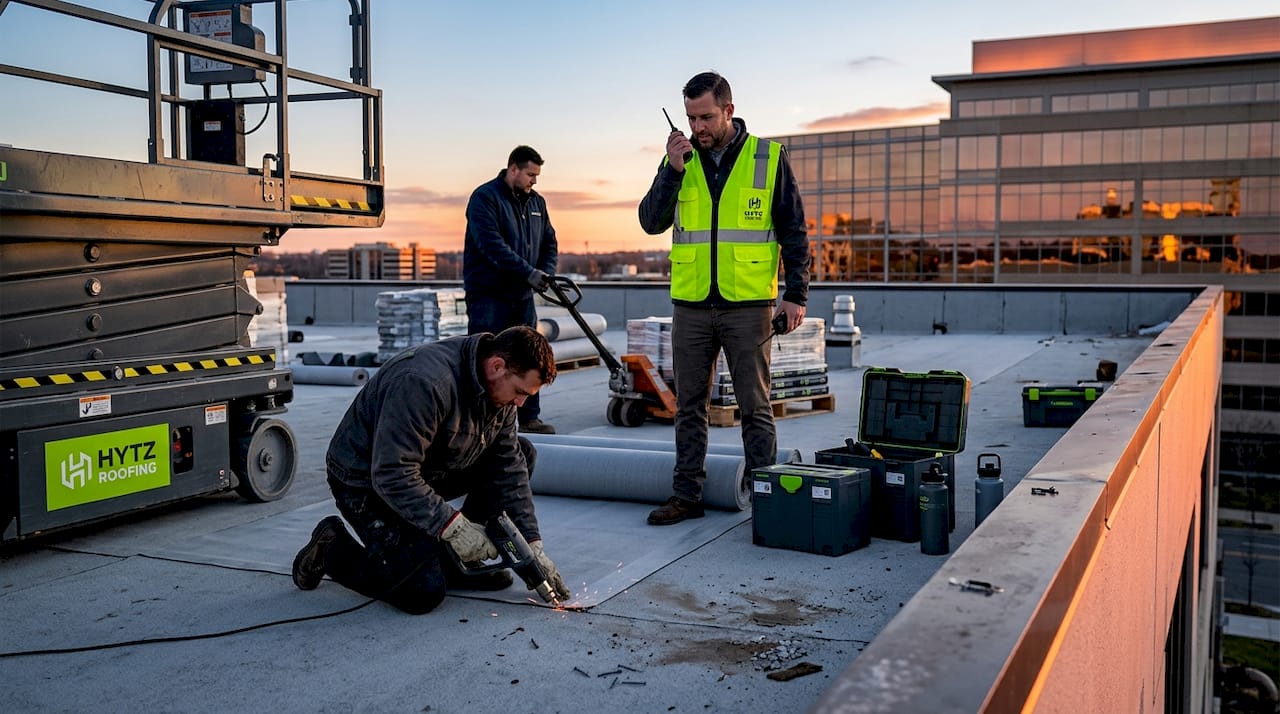
Pro Tip: For commercial projects, ask any prospective contractor specifically how many square feet of low-slope roofing they install per year. A contractor who primarily does residential work does not have the crew structure or equipment for a large commercial job, no matter what they tell you.
| Feature | Commercial roofing | Residential roofing |
|---|---|---|
| Typical materials | TPO, PVC, EPDM, BUR, heavy-gauge metal | Asphalt shingles, standing seam metal, tile, synthetic slate |
| Roof slope | Low-slope or flat | Steep pitch |
| Installation crew | Large crews, cranes, lifts | Small crews, standard tools |
| Deck type | Heavy-gauge steel | Plywood or OSB |
| Aesthetic priority | Functional, low visibility | High, visible from street |
Cost and lifespan: planning your roofing investment
The financial picture for commercial versus residential roofing is dramatically different, and comparing them on a per-square-foot basis without context leads to bad budgeting decisions.
| Roofing type | Average lifespan | Typical cost range (per sq ft installed) |
|---|---|---|
| Commercial TPO/PVC membrane | 20 to 30 years | $5 to $12 |
| Commercial built-up roofing | 15 to 30 years | $6 to $10 |
| Commercial metal roofing | 40 to 70 years | $10 to $20 |
| Residential asphalt shingles | 15 to 25 years | $3 to $7 |
| Residential metal roofing | 40 to 70 years | $8 to $16 |
A metal roof can last 40 to 70 years, which dwarfs the typical asphalt shingle lifespan of 15 to 25 years. That gap matters enormously when you calculate total cost of ownership over a 40-year period. You might replace asphalt shingles twice or three times while a metal roof on the same building is still performing.
Beyond lifespan, there are two other financial factors worth planning around:
- Energy efficiency: Metal roofs reflect solar radiant heat, cutting cooling costs by 10 to 25% during peak months. For a large commercial building in a Florida climate, that reduction can translate to meaningful annual savings on utility bills.
- Insurance premiums: Many insurers in storm-prone states offer lower premiums for properties with impact-rated or metal roofing. If you are managing commercial property in Florida, this is a conversation worth having with your insurance broker before you choose materials.
The cost of ignoring roof deterioration compounds over time regardless of building type. Small membrane splits on a commercial roof become interior water damage. Missing shingles on a residential roof become attic mold.
Maintenance, repair, and safety demands
Ongoing maintenance for commercial and residential roofs looks nothing alike, and that difference is not just about scale. It is about the nature of what each system is protecting against.
Flat commercial roofs require serious waterproofing and drainage management to handle standing water and prevent leaks across large membrane surfaces. The challenges unique to commercial roof maintenance include:
- Ponding water: Water that sits on a flat roof longer than 48 hours after rain accelerates membrane degradation and puts structural weight on areas not designed to carry it.
- Membrane seam integrity: TPO and PVC seams can separate over time, especially at penetrations for pipes, vents, and equipment curbs. Regular inspection prevents small separations from becoming major leaks.
- Rooftop equipment coordination: Every HVAC unit, exhaust fan, or skylight on a commercial roof is a potential leak point. Maintenance must account for all of them.
- OSHA compliance: Commercial roofing requires adherence to OSHA safety standards for roof access and walking surfaces. Engineered walkway systems distribute load across the membrane while meeting fall protection requirements. This is a regulatory and liability issue that residential roofing simply does not carry.
Residential roof maintenance is more straightforward but still requires consistency. Residential maintenance covers flashing inspection, shingle replacement, and proper ventilation. A loose piece of flashing around a chimney or a handful of cracked shingles near a valley are the typical culprits behind most residential leaks. Catching those issues on an annual inspection is far cheaper than letting them develop into structural damage. For properties in hurricane-prone regions like Florida, pre-season inspections are non-negotiable for both building types.
Commercial repairs also tend to involve coordination with other trades and longer scheduling windows. You cannot simply close off a section of a warehouse roof for a day without coordinating with building operations. Residential repairs are faster and simpler in scope, typically a half-day job for a qualified crew.
Choosing the right roofing service for your property
Getting the roof right starts before you ever call a contractor. Here is a practical sequence to follow:
- Identify your roof type and geometry. Know whether you are working with a flat or low-slope commercial system or a pitched residential roof. That single piece of information narrows your contractor list significantly.
- Set realistic budget expectations based on lifespan. Do not choose a material based purely on the lowest upfront cost. Compare the total cost over the roof’s expected service life, including energy savings and insurance impacts.
- Verify contractor specialization. Choosing experienced contractors specialized in your specific roof type prevents the most common and costly installation errors. Ask for references from projects that match your building type and size.
- Review manufacturer certifications. Contractors holding manufacturer certifications, like GAF Master Elite® or GAF Certified™ Commercial Contractor status, have met independent quality standards that general licensing alone does not guarantee. This is especially important for commercial projects where warranty coverage is tied to installer certification.
- Plan maintenance proactively. Budget for annual inspections from day one. A maintenance program costs a fraction of what emergency repairs or premature replacement do. The best roofing contractor for your project should also be someone you can call back for that yearly check-up.
My honest take on the mistakes I see most often
I have seen property managers make the same mistakes repeatedly, and they almost always come down to underestimating how different these two roofing worlds actually are.
The most expensive one: hiring a residential roofing contractor for a commercial flat roof job. The crew shows up, they do their best, but they do not have the equipment or the membrane installation experience to do it properly. Seams fail. Water gets in. The property manager ends up paying for the job twice. And because the first contractor was not certified for commercial work, there is no manufacturer warranty to fall back on.
The second mistake is choosing materials based on the lowest bid rather than the lowest lifetime cost. I have watched building owners save $15,000 upfront by choosing a cheaper membrane, then spend $40,000 in repairs and tenant-related losses over the next decade. The math is not complicated once you lay it out.
My honest advice: treat your roof as a long-term asset, not a line item to minimize. Whether it is a 2,000 square foot home or a 100,000 square foot commercial building, the roof protects everything underneath it. The architectural complexity and compliance requirements of commercial buildings make this even more consequential. Invest in the right system from the start and pick a contractor who can prove they have done it before at your scale.
— Anthony
Ready to get the right roof for your property?
Whether you are managing a commercial property or protecting a home, Hytzroofing brings the credentials and hands-on experience to get it right. As a GAF Master Elite® Contractor and GAF Certified™ Commercial Contractor, Hytzroofing works on both flat commercial systems and residential pitched roofs across Florida. That dual expertise means you get honest advice about which materials and systems actually fit your building type and your budget. Not every roofing company can say that.
Hytzroofing is BBB Accredited with an A+ rating, fully licensed under Florida Contractor License #CCC1332551, and carries full general liability and workers’ compensation insurance. If you are ready to plan your next roofing project, request a professional assessment and get expert guidance matched to your specific building type. No guesswork, just qualified answers.
FAQ
What is the main difference between commercial and residential roofing?
The primary difference is roof slope. Commercial roofs are typically flat or low-slope and use membrane systems like TPO or PVC, while residential roofs are pitched and use materials like asphalt shingles or standing seam metal. This slope difference drives nearly every other distinction in materials, installation, and maintenance.
Can a residential roofing contractor work on commercial buildings?
Technically yes, but it is not advisable. Commercial projects require specialized equipment and crews that most residential contractors do not have. Using the wrong contractor also typically voids manufacturer warranties, which are tied to certified installer status for commercial roofing systems.
How much longer does commercial roofing last compared to residential?
It depends on the material. A commercial or residential metal roof can last 40 to 70 years, while standard asphalt shingles last 15 to 25 years. Commercial membrane systems like TPO typically last 20 to 30 years with proper maintenance and regular inspections.
Do commercial roofs require more maintenance than residential roofs?
Yes. Flat commercial roofs face ponding water, membrane seam separation, and OSHA-regulated access requirements that pitched residential roofs do not. Commercial roofs also need coordination with other building systems during repairs, making maintenance more complex and time-consuming.
What should I look for when hiring a roofing contractor for a commercial property?
Look for contractors with manufacturer certifications specific to commercial roofing, such as GAF Certified™ Commercial Contractor status. Verify their experience with flat or low-slope systems at your building’s scale, check for proper licensing and insurance, and ask for references from comparable commercial projects.
Recommended
- Commercial Roof Leak Repair Expert Solutions for Business Protection
- Introducing Enviroshake to Your Hoa
- GAF Master Elite Roofer in Tampa, FL | Hytz Roofing
- 15 Urgent Roof Issues to Fix Before the Next Florida Storm
Related Hytz Roofing Services