The Environmental Benefits of Synthetic Roofing
Synthetic roofing environmental benefits center on reduced material waste, longer product life, and the potential for easier recycling compared with some traditional materials. Traditional durable roofing materials often contribute to landfill waste due to shorter lifespans, frequent maintenance, and repeated replacement cycles. Sustainability in roofing isn’t just about using “green” materials, it’s about durability, efficiency, and responsible resource use over time. A roof that lasts longer, requires less maintenance, and reduces waste offers meaningful environmental benefits.
Key Takeaways
Synthetic roofing environmental benefits center on reduced material waste, longer product life, and the potential for easier recycling compared with some traditional materials. - Made with recycled materials, supporting circular economy and reducing reliance on virgin resources without compromising performance.
- Replaces cedar without ongoing timber harvesting, chemical treatments, or variability, preserving forests and minimizing local environmental impact.
- Improves energy efficiency through heat reflectivity and ventilation compatibility, helping regulate indoor temperatures and reduce heating/cooling demands.
The choices that Florida homeowners and builders make during construction and renovation are under greater scrutiny as we become more aware of their local environmental impact Florida Building Code. Roofing, in particular, plays a significant role in long-term sustainability. Traditional durable roofing materials often contribute to landfill waste due to shorter lifespans, frequent maintenance, and repeated replacement cycles.
Sustainability in roofing isn’t just about using “green” materials, it’s about durability, efficiency, and responsible resource use over time. A roof that lasts longer, requires less maintenance, and reduces waste offers meaningful environmental benefits. Synthetic roofing is an engineered solution designed to balance performance, aesthetics, and environmental responsibility, offering a way to reduce impact without compromising on appearance or reliability.
| Factor | Traditional Roofing | Synthetic Roofing |
|---|---|---|
| Lifespan | 15-30 years | 40-50+ years |
| Recycled Content | Minimal to none | Often significant |
| Maintenance | Frequent, often chemical-intensive | Low, minimal chemical use |
| Waste Contribution | High, frequent tear-offs | Low, extended lifecycle |
| Energy Efficiency | Varies, can be low | High reflectivity, better insulation compatibility |
| Environmental Impact | Higher resource depletion, landfill burden | Reduced resource use, lower landfill impact |
How Does Synthetic Roofing Reduce Environmental Waste?
Synthetic roofing significantly reduces environmental waste by focusing on lifecycle efficiency, incorporating recycled materials, and extending product lifespan, thereby minimizing the need for frequent replacements and reducing landfill accumulation.
Environmental impact begins well before a roof is installed and continues throughout its lifespan. From raw material extraction and manufacturing to disposal at the end of its life, durable roofing materials contribute significantly to construction waste streams. Traditional options like asphalt shingles and natural wood shakes require replacement from as early as 5-10 years due to neglected mandatory maintenance, improper installation, or severe climate conditions, leading to repeated tear-offs and increased landfill accumulation NRCA. This often involves issues like granule adhesion loss and reduced wind uplift resistance.
Synthetic roofing offers a different approach by focusing on lifecycle efficiency. Synthetic roofs are designed as a long-term system that minimizes waste over decades. By incorporating recycled materials, extending product lifespan, and reducing the need for frequent replacements, synthetic roofing helps lower the cumulative environmental burden associated with residential and commercial buildings.
Another important factor is the reduction of resource consumption. Each replacement cycle requires new raw materials, manufacturing energy, and transportation. By extending the time between replacements, synthetic roofing reduces demand across the entire supply chain, resulting in fewer emissions, less material extraction, and decreased strain on natural resources.
Ultimately, the environmental advantage of synthetic roofing lies in its ability to address waste at multiple stages—production, installation, and end-of-life—making it a more eco-friendly and sustainable option when evaluated over the full lifecycle of a roof.
Use of Recycled Materials in Manufacturing
Many synthetic roofing products are manufactured using recycled content, such as reclaimed plastics, fibers, and elastomers. This often includes materials like SBS-modified bitumen or TPO membrane components. This approach diverts waste from landfills and reduces the need for virgin material extraction. Instead of contributing to new resource depletion, these materials are repurposed into durable roofing components.
A common concern and misconception regarding products made from recycled materials is that they are unreliably sourced, the contents are unknown, or the quality is low and it was cheaply made. Recycled does not mean unknown, it simply means the material or an ingredient has been processed before.
Why Traditional Roofing Materials Harm the Environment
The Carbon Footprint of Asphalt Shingles
Enviroshake roofing’s synthetic roofing material uses 2 recycled polymers that are exclusively post-industrial and pure in their form. Recycled polymers have the same molecular structure as virgin polymers and must meet the same mechanical standards, resulting in equivalent product performance ASTM International.
By incorporating recycled inputs, manufacturers can reduce the overall environmental footprint of production. This not only lowers energy consumption but also supports a circular economy where materials are reused rather than discarded after a single lifecycle.
Longer Lifespan Means Fewer Replacements
Roofing materials vary widely in lifespan, and this has a direct impact on environmental waste. Shorter-lived materials may need to be replaced multiple times over the course of a home’s life, each time generating disposal waste and requiring new resources.
Synthetic roofing is engineered for durability, often lasting significantly longer than traditional materials. An Enviroshake roof has a life expectancy of more than 50 years. Over several decades, this extended lifespan can eliminate several replacement cycles, reducing both landfill contributions and the environmental costs associated with manufacturing and installation.
Reducing Construction and Tear-Off Waste
Every reroofing project generates waste, particularly when old materials must be removed and disposed of before new ones are installed. Asphalt shingles and wood shakes often end up in landfills, contributing to construction debris.
By extending the lifespan of a roof, synthetic materials reduce the frequency of these tear-off events. Fewer replacements mean less debris, lower transportation needs for waste removal, and reduced disruption to the surrounding environment. This cumulative reduction in construction waste is a key sustainability benefit over time.
What Sustainable Alternatives Exist for Cedar Roofing?
Synthetic roofing offers a sustainable alternative to traditional cedar, replicating its aesthetic appeal while addressing environmental concerns related to timber harvesting, chemical treatments, and resource variability.
Cedar roofing has long been valued for its natural beauty and traditional appeal. Its texture and organic character make it a popular choice for Florida homeowners seeking a timeless aesthetic. But how long does cedar shake roofing really last? From a sustainability perspective, cedar presents numerous challenges that are important to consider.
Harvesting cedar requires ongoing demand for timber resources, and even responsibly managed forestry operations must balance supply with ecological preservation. Harvesting from older forests can contribute to deforestation and environmental strain. Additionally, cedar roofs often require regular treatments and maintenance to protect against moisture, insects, and weathering, which can introduce chemicals into the environment over time.
Synthetic roofing provides an alternative that preserves the visual appeal of cedar while addressing some of these environmental concerns. Engineered to replicate the look of natural wood, synthetic materials offer a way to achieve the same design goals with fewer long-term environmental trade-offs.
Preserving Natural Resources
Cedar roofing depends on harvested wood, and repeated replacement cycles increase demand for forest resources. Even when sourced responsibly, ongoing harvesting can place pressure on ecosystems over time.
How Synthetic Roofing Reduces Environmental Impact
Recycled Content and Reduced Landfill Waste
Synthetic roofing reduces this demand by using engineered materials that replicate wood aesthetics without requiring continuous timber extraction. This helps conserve natural forests while still allowing Florida homeowners to achieve a classic cedar appearance.
By installing an Enviroshake roof, you help prevent thousands of pounds of plastic from entering our oceans each year while simultaneously reducing the demand for new oil.
Reduced Chemical Treatments and Maintenance
To extend the lifespan of cedar roofing, treatments such as staining, sealing, and preservatives are often required. These can include algae-resistant coating applications. These chemicals can contribute to environmental runoff and may need to be reapplied periodically throughout the roof’s life.
Synthetic roofing typically requires less maintenance and does not rely on repeated chemical treatments. This reduces the introduction of potentially harmful substances into the environment and simplifies long-term upkeep.
Runoff from Enviroshake roofs is non-toxic and potable, with third-party testing confirming it meets World Health Organization drinking water standards. It is safe for use in greywater systems Florida Department of Financial Services.
Consistent Performance Without Resource Variability
Natural wood can vary in quality depending on sourcing conditions, climate, and growth patterns. With old-growth cedar largely depleted by the 1980s, today’s cedar comes from younger, faster-growing trees. This produces softer wood with lower resin content, making it more prone to moisture absorption, splitting, and early deterioration. This variability can affect durability and performance over time.
Engineered synthetic materials are designed for consistency, offering predictable resistance to moisture, insects, and cracking. This reliability not only benefits Florida homeowners but also supports sustainability by reducing the likelihood of premature failure and replacement.
Energy Efficiency Benefits of Synthetic Roofing
Sustainability extends beyond materials and manufacturing—it also includes how a roof performs after installation. Roofing plays a key role in regulating attic temperatures and contributing to overall indoor comfort. While no roofing material alone determines energy efficiency, its properties can support a well-designed building system.
Synthetic roofing can contribute to more stable temperature management, particularly when paired with proper insulation and ventilation. By helping to control heat absorption and airflow, it supports a balanced indoor environment without relying solely on mechanical systems. Synthetic roofing is the future of eco-friendly and sustainable roofing.
Reflectivity and Heat Management
Roofing materials influence how much solar heat is absorbed or reflected. Lighter colors and certain material compositions can help reduce heat buildup in attic spaces during warmer months.
Energy Efficiency Benefits of Synthetic Roofing
Reflective Properties and Cooling Costs
Enviroshake’s Envirocool product in the colour Bermuda White has an impressive Solar Reflectivity Index (SRI) of 80.9. Enviroshake roofing tiles are rated independently by the Cool Roof Rating Council (CRRC) UL.
By limiting excessive heat absorption, synthetic roofing can contribute to a cooler attic environment. This helps maintain more consistent indoor temperatures and reduces the intensity of temperature fluctuations.
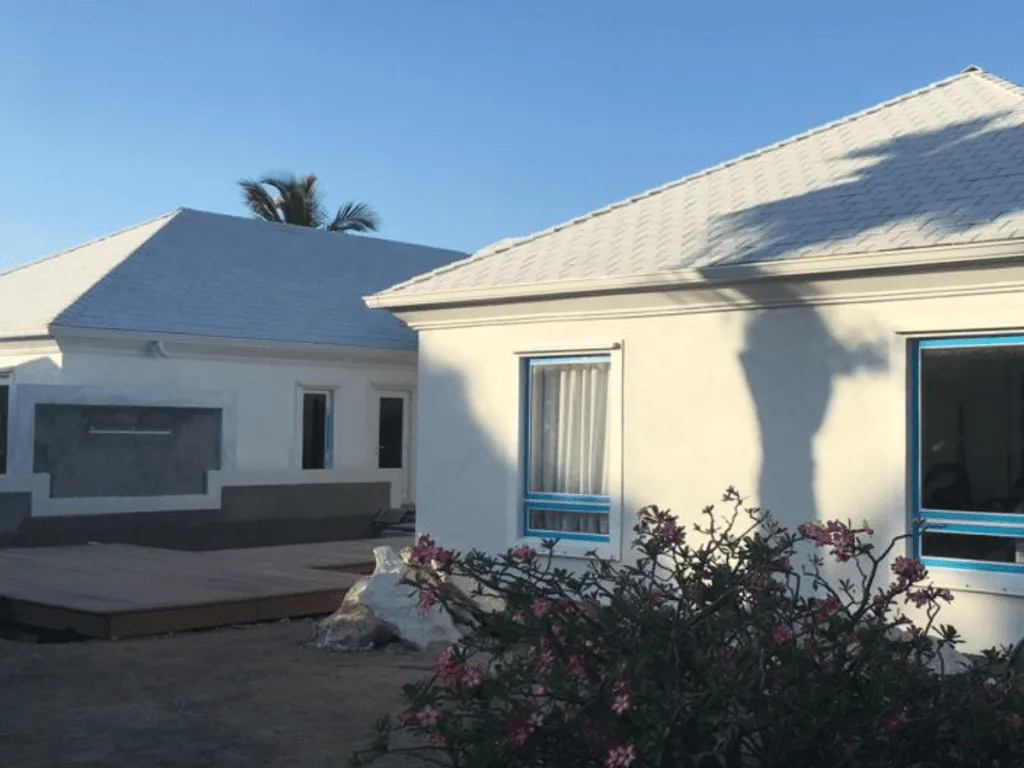
“House stays much cooler (we could say ‘cold’) all year so far… Our solar setup allows us to run AC 24/7 and our last 3 bills have been under $100, which is unheard of around here. Enviroshake white slate helps tremendously.” -Andrew Stirling, Bahamas
Supporting Comfortable Indoor Temperatures
When attic temperatures are better regulated, the overall indoor environment becomes more stable. This can reduce the workload on heating and cooling systems, particularly during seasonal extremes.
Improved thermal performance supports comfort and efficiency. Over time, this contributes to a more balanced and eco-friendly and sustainable home environment.
Ventilation Compatibility and Roof System Performance
Effective ventilation and moisture management is crucial for a well-performing roof. Synthetic roofing systems are typically compatible with modern ventilation strategies, allowing for proper airflow through attic spaces, often facilitated by proper underlayment installation.
Good ventilation reduces the risk of condensation, which can lead to mold or structural damage. By supporting airflow and moisture control, synthetic roofing contributes to both long-term durability and environmental performance.
Environmental Impact Over the Roof’s Lifecycle
To fully understand sustainability, it’s important to look beyond initial materials and consider the entire lifecycle of a roof. This includes manufacturing, transportation, installation, maintenance, and eventual replacement. A material that performs well across all these stages will have a lower overall environmental footprint.
Synthetic roofing is designed with lifecycle performance in mind. Its durability reduces the need for frequent replacements, while its material composition can incorporate recycled content. When evaluated over decades, these factors combine to create a more efficient and environmentally responsible solution. Key aspects of its environmental impact over the lifecycle include:
- Reduced Landfill Waste: Longer lifespan means fewer tear-offs and less debris sent to landfills.
- Lower Embodied Energy: Less frequent manufacturing and transportation cycles reduce the energy consumed in production and delivery.
- Conservation of Natural Resources: Use of recycled materials and reduced demand for virgin resources like timber.
- Minimized Chemical Exposure: Less need for chemical treatments and maintenance compared to traditional materials.
- Improved Air Quality: Reduced emissions from manufacturing and transportation due to extended product life.
- Enhanced Water Quality: Non-toxic runoff from synthetic materials, safe for greywater systems.
Reduced Transportation and Installation Waste
Each roofing replacement involves transporting materials to and from the site, as well as disposing of old materials. These processes contribute to emissions and resource use.
Longevity: The Environmental Case for Durability
50-Year Lifespan vs. 20-Year Replacement Cycles
By reducing the frequency of replacements, synthetic roofing lowers the cumulative impact of transportation and installation. Fewer deliveries, less waste removal, and reduced labor all contribute to a smaller environmental footprint over time.
Durability Against Moisture and Weather Damage
Exposure to moisture, temperature fluctuations, and weather events can cause durable roofing materials to deteriorate. Issues such as rot, mold, cracking, and insect damage can lead to premature failure.
Synthetic roofing is engineered to resist these common problems, helping maintain structural integrity over time. Enviroshake’s products are mold and mildew resistant. By preventing early deterioration, synthetic roofing reduces the need for repairs and replacement, which in turn minimizes waste and resource consumption.
Long-Term Warranty Confidence
Extended warranties often reflect a manufacturer’s confidence in a product’s durability. In the context of sustainability, this longevity is significant because it delays the need for replacement, which guarantees performance and environmental benefits.
A longer-lasting roof reduces the frequency of manufacturing, transportation, and installation cycles.
Enviroshake offers fully transferable limited lifetime warranties for long-lasting peace of mind. Accelerated weather testing indicates that Enviroshake products have a life expectancy that is considerably longer than the 50 year lifetime transferable warranty that is offered IBHS.
Eco Friendly Roofing Options for Modern Homes
Synthetic roofing is one of several options available to Florida homeowners seeking more eco-friendly and sustainable building materials. The best choice depends on factors such as climate, design preferences, maintenance expectations, and long-term performance goals.
With multiple options on the market, it’s important to evaluate durable roofing materials holistically. This includes considering how they perform over time, how they are maintained, and how they contribute to the overall efficiency and curb appeal of the home.
Matching Sustainability With Design Aesthetics
Modern Florida homeowners are increasingly looking for materials that align with both environmental values and design preferences. Roofing plays a major role in curb appeal, influencing the overall character of a home.
Related Resources
Synthetic roofing offers a range of styles and textures that replicate natural materials like cedar, slate, or tile. This allows Florida homeowners to achieve their desired aesthetic while still prioritizing sustainability and long-term performance.
Nature-Inspired, Sustainable Roofing Palettes Learn How to Match a Roof to Your Home
Choosing the Right Green Roofing Solution
When comparing roofing options, it’s important to look beyond upfront costs. Key factors include lifespan, recyclability, maintenance requirements, climate suitability, and warranty coverage.
A material that lasts longer and requires less upkeep may offer greater environmental benefits over time, even if the initial investment is higher. Taking a lifecycle approach to choosing a roofing material helps ensure a more informed and eco-friendly and sustainable decision.
Investing in Enviroshake quality means investing in a roof that lasts long, is sustainably produced, and pairs traditional aesthetics with performance that natural products can’t duplicate.
Working With Contractors on Sustainable Choices
The performance of any roofing material depends heavily on proper installation. Working with experienced contractors ensures that ventilation, insulation, and structural considerations are properly addressed.
Homeowners should discuss sustainability goals with their contractors, including material selection, installation practices, and long-term maintenance plans. A well-installed roof not only performs better but also maximizes its environmental benefits over its lifespan.
Frequently Asked Questions
Q: Is synthetic roofing actually more environmentally friendly than asphalt shingles?
A: Yes, across most lifecycle metrics. Asphalt shingles are petroleum-based, have a 15 to 20 year lifespan in Florida's climate, and most end up in landfills at end-of-life — the U.S. disposes of approximately 11 million tons of asphalt shingles annually. Synthetic roofing products like Enviroshake are manufactured from 95% recycled materials, last 50+ years, and are fully recyclable. The longer lifespan alone means fewer replacement cycles and significantly less total material waste over a home's lifetime.
Q: What recycled materials are used in synthetic roofing products like Enviroshake?
A: Enviroshake is manufactured from a blend of post-industrial plastics, recycled elastomers (rubber), and cellulosic fibers. These materials are sourced from industrial waste streams that would otherwise go to landfill. The manufacturing process uses no virgin petroleum-based materials and produces minimal production waste. The finished product is also fully recyclable at end-of-life.
Q: Does synthetic roofing help reduce home energy consumption?
A: Yes, particularly products with cool roof properties. Enviroshake's Envirocool option carries a Solar Reflectance Index (SRI) of 31, meaning it reflects significantly more solar energy than standard roofing materials. In Florida's climate, a cool roof can reduce attic temperatures by 10 to 30 degrees Fahrenheit, reducing air conditioning load and lowering energy bills. The U.S. Green Building Council recognizes Enviroshake as contributing LEED points for energy efficiency.
Q: Can synthetic roofing contribute to LEED certification?
A: Yes. Enviroshake contributes to multiple LEED credit categories, including Materials and Resources (recycled content, regional materials), Energy and Atmosphere (cool roof properties reducing cooling loads), and Innovation credits. The specific number of points depends on the project's overall design and location. A LEED-accredited professional can help determine the contribution for a specific project.
Q: How does synthetic roofing compare to metal roofing environmentally?
A: Both are strong environmental choices compared to asphalt shingles. Metal roofing is typically made from 25 to 95% recycled content and is fully recyclable. Synthetic composite roofing like Enviroshake offers comparable recycled content and recyclability, with the additional advantage of better thermal insulation properties and lower weight (reducing structural load). The best choice depends on the specific product, climate, and building design.
The Synthetic Roofing Solution
By focusing on durability, reduced waste, and long-term performance, synthetic roofing represents a practical step toward more eco-friendly and sustainable construction. When evaluated across its full lifecycle, it offers a balanced approach that supports both environmental responsibility and the functional needs of modern homes.
Talk to an expert in synthetic roofing to learn more.