What Should Homeowners Know About This Topic?
Asphalt Shingle Roofers explain the basics of shingle types, expected lifespan, and key hiring considerations to help Florida homeowners prepare for roof replacement.
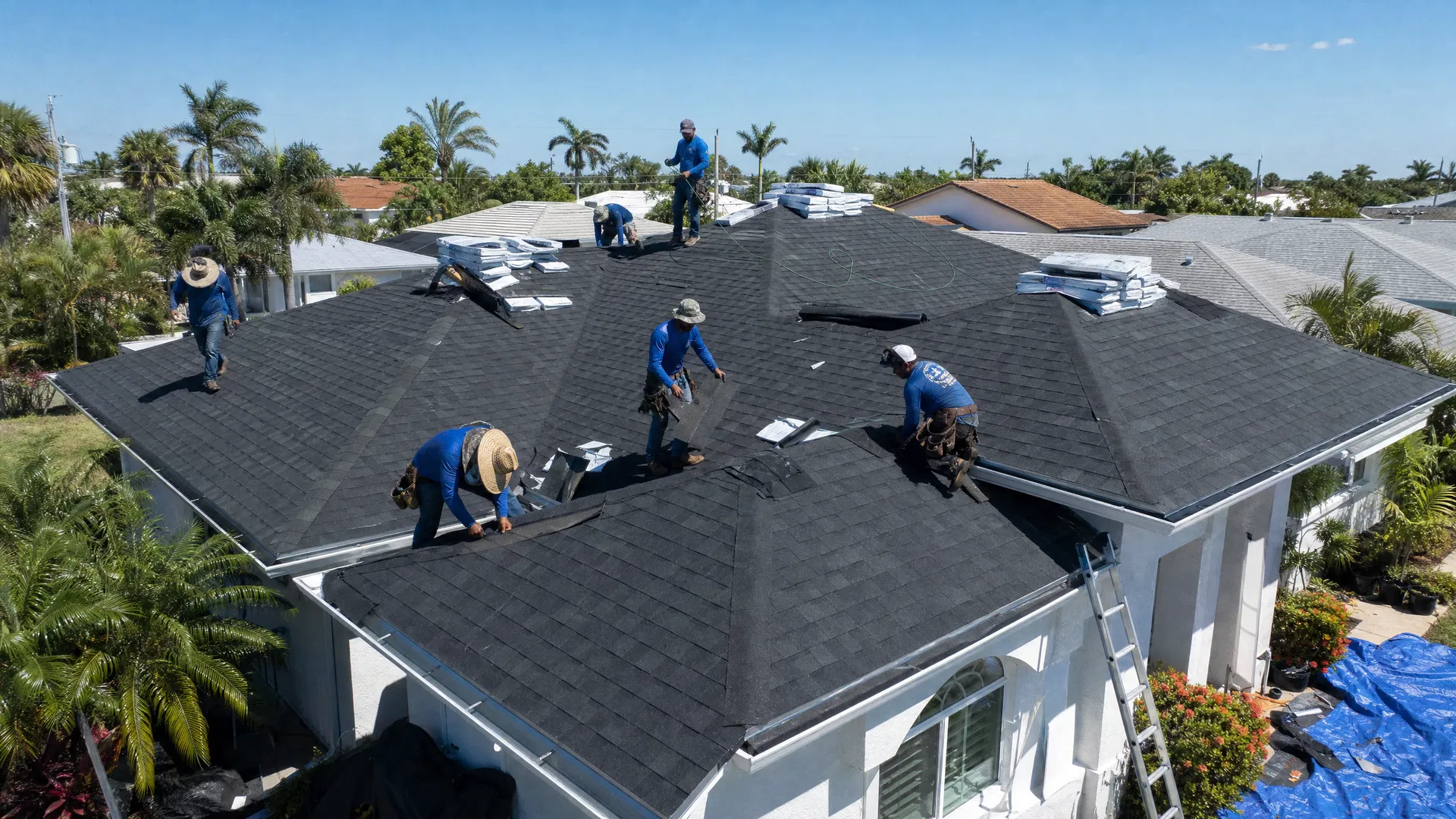
TL;DR: Yes, when you choose the right product. Not all asphalt shingles are rated for Florida's wind and weather conditions.\n\nAsphalt shingles are the most common residential roofing material in the country NRCA, and they remain a practical choice for many Central Florida homeowners. If you are looking for asphalt shingle roofers near me, you are likely weighing cost, product quality, and what the replacement process actually involves.\n\nThis guide covers the specs that matter for Florida weather, what the installation process looks like, and what to look for when comparing contractors.\n\n---\n\n## Are Asphalt Shingles Suitable for Florida's Climate?\nYes, asphalt shingles can be a good fit for Florida, provided you select products specifically rated for the state's unique wind and weather conditions.\n\nYes, when you choose the right product. Not all asphalt shingles are rated for Florida's wind and weather conditions. The state requires all roofing materials used in permitted work to carry a Florida Product Approval (FPA) number [1], confirming that the product has been tested against Florida's wind uplift, water penetration, and impact resistance requirements.\n\nIn Central Florida, the minimum wind resistance you should look for in a shingle is 130 mph [3]. Higher-performing products carry ratings up to 150 mph and above. After major storm events FEMA, improperly rated or improperly fastened shingles account for a significant share of preventable roof failures across the region.\n\nTwo product lines Hytz Roofing commonly installs:\n\nGAF Timberline HDZ GAF Roofing\nAn architectural shingle available with wind ratings up to 130 mph on the standard product and higher with enhanced fastening patterns. The HDZ line includes StainGuard Plus algae protection, which matters in Florida's humid climate where algae streaking on shingle roofs is a common and preventable problem.\n\nTAMKO Heritage Series and Titan XT\nTAMKO's Titan XT carries a wind resistance rating up to 160 mph and features a fiberglass mat core for added dimensional stability. Both TAMKO products used by Hytz carry Florida Product Approval numbers and are appropriate for Central Florida conditions. Full product specs are available on the TAMKO Roofing page.\n\n---\n\n## How Does the Florida 15-Year Roof Rule Affect Homeowners?\nThe Florida 15-Year Roof Rule, updated in 2023, prevents insurance companies from denying coverage based solely on roof age if the roof is under 15 years old and in acceptable condition.\n\nFlorida law, updated in 2023, prevents insurance companies from denying coverage solely because of roof age if the roof is under 15 years old and otherwise in acceptable condition [2]. This was a meaningful change for homeowners who were being pressured into early replacements based on age alone.\n\nThat said, if your shingle roof is approaching or past the 15-year mark, many insurers will require a professional inspection before renewing your policy. An older roof in declining condition can result in a non-renewal notice or a significant premium increase.\n\nGetting an honest inspection is the right first step, not assuming a full replacement is necessary.\n\n---\n\n## What Does the Shingle Replacement Process Look Like?\nA standard asphalt shingle replacement in Florida follows a clear sequence, ensuring durability and compliance with local regulations. This process involves several key steps from initial assessment to final inspection.\n\nA standard asphalt shingle replacement in Florida follows a clear sequence, ensuring durability and compliance with local regulations:\n\n* Initial Assessment: A thorough inspection by a qualified contractor to evaluate existing roof conditions, identify potential issues, and determine the scope of work.\n* Permitting Process: Securing all necessary permits from local building authorities, a critical step to ensure the replacement meets Florida Building Code standards and is recognized by insurance providers.\n* Material Delivery & Site Preparation: Arranging for the delivery of chosen roofing materials and preparing the property to protect landscaping and ensure a safe working environment.\n* Old Roof Removal (Tear-off): Carefully stripping away existing shingles and underlayment, with proper disposal of debris. This step allows for a complete inspection of the roof deck.\n* Deck Inspection & Repair: Examining the exposed roof deck for any damage, rot, or weaknesses, and performing necessary repairs or replacements to ensure a solid foundation for the new roof.\n* Underlayment Installation: Applying a high-performance, code-compliant underlayment, often a synthetic or peel-and-stick system, which acts as a crucial secondary water barrier against Florida's heavy rains.\n* Shingle Installation: Installing new asphalt shingles according to manufacturer specifications and strict Florida Building Code fastening requirements to maximize wind resistance and longevity.\n* Flashing & Ventilation: Installing or replacing flashing around all penetrations (chimneys, vents), valleys, eaves, and rakes, and ensuring proper attic ventilation to prevent heat and moisture buildup.\n* Site Cleanup: A comprehensive cleanup of the job site, removing all roofing debris, nails, and packaging to leave the property pristine.\n* Final Inspection: A mandatory inspection by the local building department to verify that all work meets code requirements, culminating in a Certificate of Completion for the homeowner.\n\n1. Inspection\nThe contractor walks the roof and documents the condition of the decking, flashing, and existing shingles. Soft spots or damaged sections of decking are identified before any removal begins.\n\n2. Permit\nFull shingle replacements require a permit in Florida. Your contractor pulls the permit before work starts. The permit fee should be included in your written estimate.\n\n3. Tear-off\nThe existing shingles and underlayment are removed. Your contract should specify whether the job includes a complete tear-off or a recover. Recovering (installing new shingles over existing ones) is only permitted under specific conditions under the Florida Building Code and is generally not recommended for a full replacement.\n\n4. Deck inspection and repair\nOnce the material is stripped, the decking is inspected. Damaged or deteriorated sections are replaced before anything else goes on. Florida's current code requires the deck to function as a sealed secondary water barrier, so deck preparation is not a step to skip.\n\n5. Underlayment installation\nA code-compliant underlayment goes down over the prepared deck. In Florida, this is typically a high-performance synthetic product or peel-and-stick system. Felt paper underlayment is generally not appropriate for Florida's climate conditions.\n\n6. Shingles and flashings\nShingles are installed to manufacturer specifications and Florida Building Code fastening requirements. Flashing around all penetrations, valleys, eaves, and rakes is installed or replaced as needed.\n\n7. Final inspection\nThe building department conducts a final inspection. Upon passing, you receive a Certificate of Completion, which you should keep for insurance and resale purposes.\n\n---\n\n### What Are the Warning Signs That Indicate a Roof Replacement is Needed?\nSeveral indicators can signal that your roof is nearing the end of its lifespan or has sustained damage, necessitating a replacement to protect your home.\n- Curling or buckling shingles: This indicates the shingles are past their prime.\n- Missing shingles: Often caused by high winds or severe weather.\n- Granules in the gutter: Shingles lose their protective granules as they age.\n- Daylight through roof boards: A clear sign of a compromised roof deck.\n- Sagging roof deck: This could indicate structural issues or trapped moisture.\n\n---\n\n## What Should You Look for When Comparing Asphalt Shingle Roofers Near You?\nBefore hiring any contractor, confirm their credentials, insurance, and warranty offerings. This ensures you are working with a reputable professional.\n\nBefore hiring any contractor, confirm:\n\n- An active Florida contractor license (check at myfloridalicense.com)\n- Proof of general liability insurance and workers' compensation coverage\n- A written estimate that specifies the exact product, wind rating, and warranty terms\n- A clear statement that the contractor will pull all permits and handle inspections\n\nMel Patten, a recent Hytz Roofing customer, described a straightforward shingle replacement: \"Removed and replaced shingles on roof. Completed in one day. Cleared up all debris fallen onto gardens.\" That turnaround is typical for most standard residential replacements handled by a full crew that plans and prepares properly.\n\n---\n\n## What Asphalt Shingle Services Does Hytz Roofing Provide?\nHytz Roofing offers comprehensive asphalt shingle services, including installation and replacement, backed by extensive experience and specialized certifications.\n\nHytz Roofing installs and replaces asphalt shingle roofs throughout Central Florida under Florida contractor license #CCC1332551. As a GAF Master Elite Certified Contractor, Hytz can offer Golden Pledge warranties that cover both materials and workmanship, which standard roofing contractors cannot access. The team brings 30+ years of combined experience to every project and offers financing for homeowners who want to spread the cost of a full replacement.\n\nCall (813) 436-0761 or visit hytzroofing.com to schedule a free inspection.\n\n---\n\nRelated Resources: GAF Shingles | Owens Corning Shingles | TAMKO Shingles | Tampa Roofing Contractor | Get a Free Estimate\n\n\n\n## Key Insights for Florida Homeowners\n\n\n\n## Key Insights for Florida Homeowners\n\nAsphalt shingles remain the most popular roofing choice in Florida. Explore our residential roofing services to see the full range of shingle options we install across Tampa Bay.\n\n[1] Florida Building Code. (n.d.). Product Approval. Retrieved from https://floridabuilding.org/pr/pr_app_lst.aspx\\n\\n[2] Florida Legislature. (2023). Florida Statutes. Retrieved from https://www.leg.state.fl.us/Statutes/index.cfm?App_mode=Display_Statute&URL=0600-0699/0627/Sections/0627.706.html\\n\\n[3] Insurance Institute for Business & Home Safety. (n.d.). High Wind & Hail Research. Retrieved from https://ibhs.org/research/high-wind-hail/"
Key Points:
- Florida's climate and hurricane exposure make proper roofing materials and installation critical for homeowners.
- The Florida Building Code (FBC) sets minimum standards for wind uplift resistance and material performance.
- Working with a GAF Master Elite certified contractor ensures access to the best warranties and installation standards.
- Regular inspections — especially after tropical storms — can catch damage early and prevent costly repairs.
- Understanding your roofing options helps you make informed decisions that protect your home and investment.
Why Does This Matter for Tampa Bay Homeowners?
Florida's climate and hurricane season create unique roofing challenges that require specific expertise and materials.